

Call to Central Veterinary Hospital +982126232438
Call to Central Veterinary Hospital

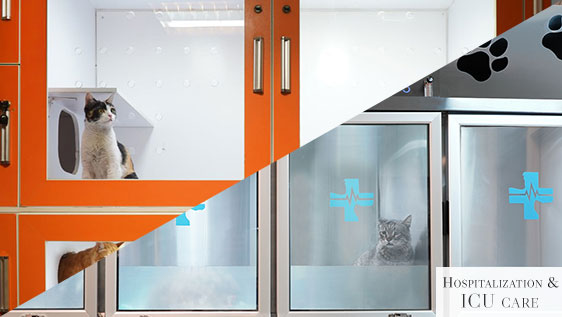
Inpatient and Boarding Department of the Central Veterinary Hospital

بیمارستان دامپزشکی مرکزی

One of the most essential departments in any veterinary medical center is the inpatient ward. Even if the diagnosis of a disease or a surgical procedure is carried out with the highest precision, the expected outcome may not be achieved if the post-treatment care—mostly performed in the inpatient unit—is not properly managed.For this reason, special attention has been given to this department at the Central Veterinary Hospital of Tehran. An experienced veterinarian is appointed as the head of the inpatient ward, responsible for examining each patient daily. If any abnormal condition is observed, the attending veterinarian is immediately informed, and necessary adjustments to the treatment plan are made if needed.This veterinarian is also in charge of developing and implementing sanitation and disinfection protocols for the inpatient rooms and cages.
بستری و پانسیون بیمارستان دامپزشکی
Inpatient and Boarding Department of the Central Veterinary Hospital

بیمارستان دامپزشکی مرکزی تهران

Central Veterinary Hospital of Tehran

The attending veterinarian of the inpatient department determines, based on the type of illness and the species of the animal, which section the patient should be admitted to and what kind of diet it should receive. For all animals being hospitalized, a health screening (kit testing) is conducted to prevent the transmission of contagious diseases. If the veterinarian suspects a risk of infection for the hospitalized patient, they may decide to administer medications such as immune boosters, vaccines, or antiparasitic treatments.

Hospitalized patients at our facility, as long as they are not restricted or physically unable to walk, are taken out to the hospital yard two to three times a day for walks and fresh air. They typically urinate and defecate during these outings.

The ventilation system in this section is highly efficient, and the temperature is closely monitored and checked daily. If a specific patient requires an adjustment in temperature (either an increase or decrease), individual measures are taken accordingly.

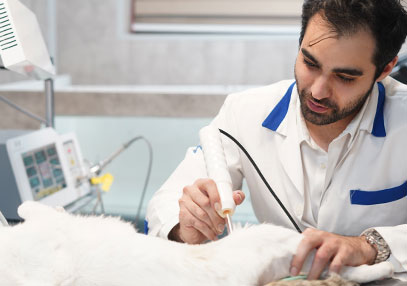
One of the unique features of this department—designed and developed by the hospital’s veterinarians—is the Intensive Care Unit (ICU), which was created out of the need to stabilize the physiological conditions of critical patients. This unit provides the ability to regulate temperature, humidity, oxygen levels, and inhaled medication for each patient. Typically, all surgical patients are transferred to this unit before they regain full consciousness.
ویدئوهای بخش

سوالات متداول

Frequently Questions

Is it necessary for my pet to be hospitalized after surgery?
In general, patients who have undergone major surgery must stay in the hospital for at least one night. This allows us to closely monitor their condition and prevent potential complications. Additionally, during this period, we can provide more effective pain management, as certain pain medications can only be administered within medical facilities.
Can I see my pet immediately after surgery?
We understand your anxiety and concern regarding your beloved pet’s surgery. We strive to ensure that the animal recovers from anesthesia as quickly and calmly as possible. Sometimes, immediate visitation after surgery can interfere with achieving this goal. However, we always provide an opportunity for you to see your pet once they have regained consciousness and before being transferred to the inpatient or intensive care unit.
What steps should I take at home after my pet is discharged?
All necessary instructions for managing your pet’s recovery at home will be provided by the attending veterinarian and the hospital nursing staff. Additionally, you are welcome to contact the hospital by phone with any questions you may have regarding post-discharge care.
How long will my pet’s surgery take?
The duration of the surgery varies depending on the type of animal and the specific procedure being performed.
What does restricting movement after surgery mean for my pet?
By movement restriction, we mean avoiding activities such as running, jumping, and going up or down stairs. Additionally, playing with other animals or children during this period can be risky and potentially harmful, so it should be avoided.
Is it necessary to return to the hospital for suture removal, or can another veterinarian perform it?
For your convenience, suture removal can be done elsewhere; however, your surgeon prefers to perform it personally. This visit provides a valuable opportunity to examine your pet again and check for any potential issues before removing the stitches.
Is it necessary to apply anything on the suture line?
Normally, the skin heals quickly on its own, and there is no need to apply any specific ointment or cream. In special cases, however, your veterinarian may recommend the use of certain medications based on their judgment.
When is the earliest I can bathe my pet after surgery?
If your pet does not have any bandages or dressings, bathing is allowed after the stitches are removed. However, if your pet has a bandage or dressing, bathing should be avoided until they have been fully removed.
What food should I give my pet after surgery?
We usually recommend feeding pâté-style food after surgery. However, if a specific type of food is required based on the nature of the surgery, you will be informed accordingly. In general, especially after orthopedic surgeries, it is important to reduce the daily food amount by approximately 20% to prevent weight gain during recovery.
What should I do if my pet’s bandage becomes wet or damp?
If the bandage becomes wet for any reason, it must be replaced immediately. If bringing your pet to the hospital promptly is not possible, it is best to carefully remove the bandage yourself.

بخش‌های مرتبط

For many years, the Central Veterinary Hospital has been actively involved in the rescue and treatment of wildlife and exotic animals. The consistency and high quality of these services led to the hospital being …
Wounds are among the most common injuries or complications that can affect pets. In many cases, a wound may not respond well to standard treatments and can develop into a chronic, non-healing wound. These types …
Just like humans, animals can suffer from congenital or acquired limb deficiencies. As orthotics, prosthetics, and artificial limbs help human patients return to a normal life, advancements in veterinary medicine …