

Call to Central Veterinary Hospital +982126232438
Call to Central Veterinary Hospital
Internal Medicine ...

Internal Medicine Department

بیمارستان دامپزشکی مرکزی

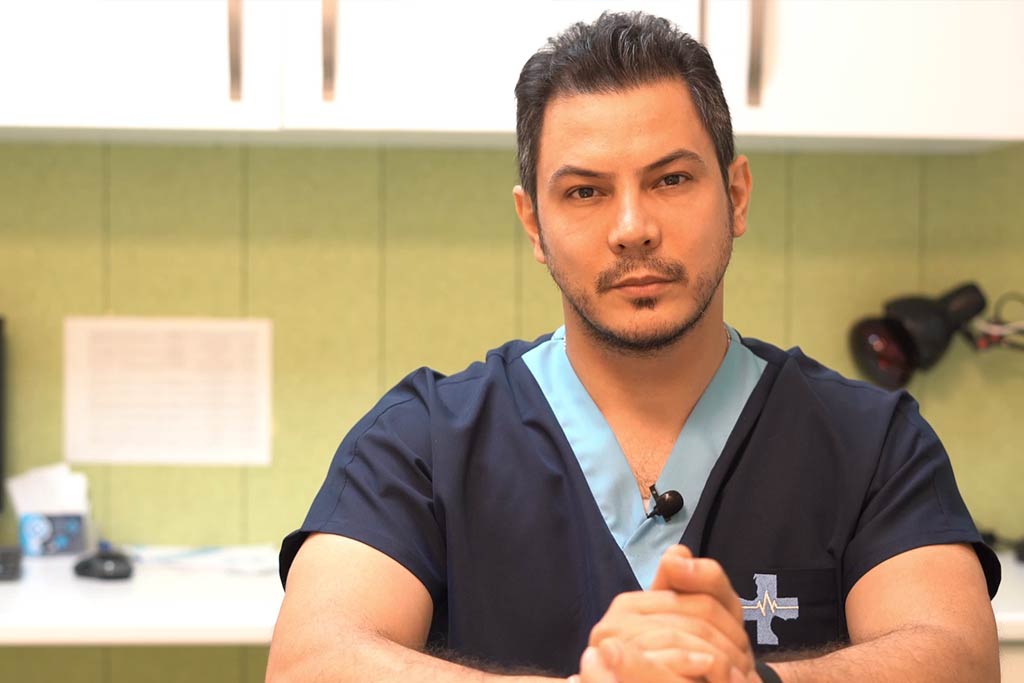
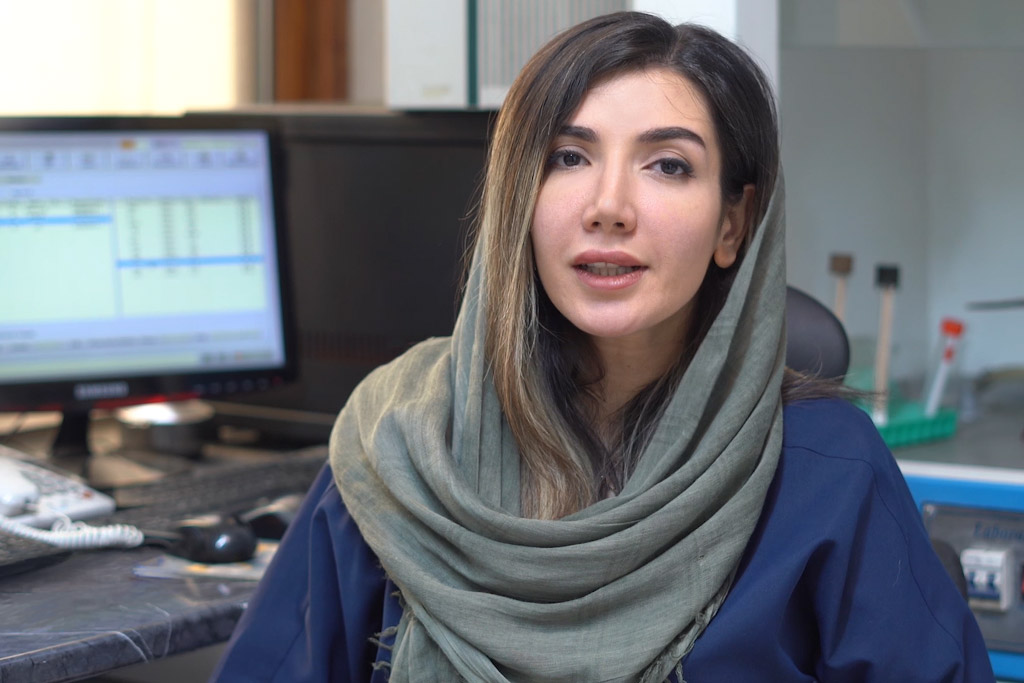
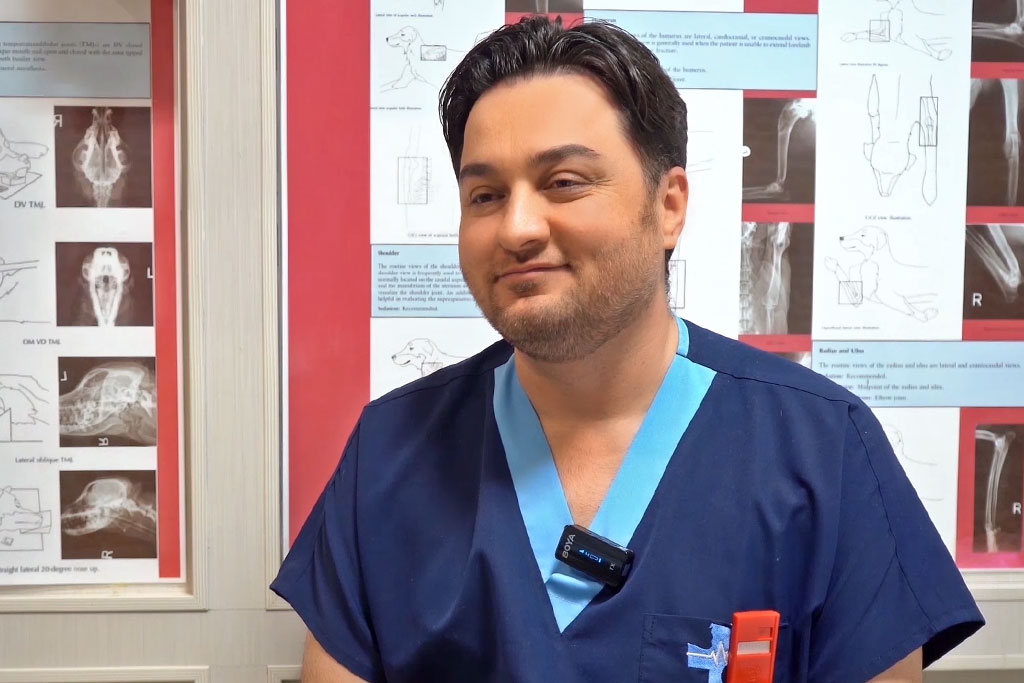
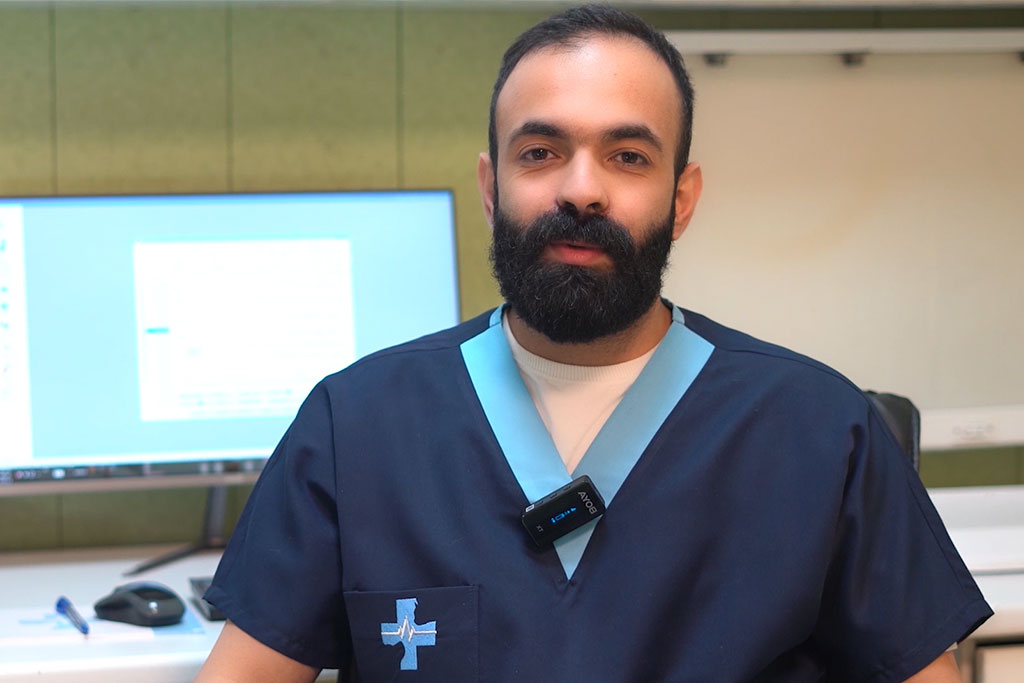
Diagnosis and treatment of illnesses in companion animals are carried out in this department by specialists in internal medicine. Some of the services provided in this department include the following:
  • Diagnosis and treatment of gastrointestinal diseases
  • Diagnosis and treatment of urinary tract diseases (kidneys, bladder, ureters, and urethra) and reproductive system diseases (uterus, ovaries, vagina, testes, and penis)
  • Diagnosis and treatment of endocrine disorders, including thyroid, adrenal glands, and pancreas
  • Diagnosis and treatment of respiratory diseases, including the nose, trachea, and lungs
  • Diagnosis and treatment of immune system disorders
  • Cancer diagnosis, treatment, and chemotherapy
  • Issuance of health certificates (pet passports)
  • Health clearance certification for international travel
  • Preventive care programs for parasitic infestations
  • Vaccination
  • Microchipping
  • Diagnosis and treatment of cardiovascular diseases
  • Diagnosis and treatment of infectious diseases
Internal Medicine Department

بیمارستان دامپزشکی مرکزی تهران

Central Veterinary Hospital of Tehran

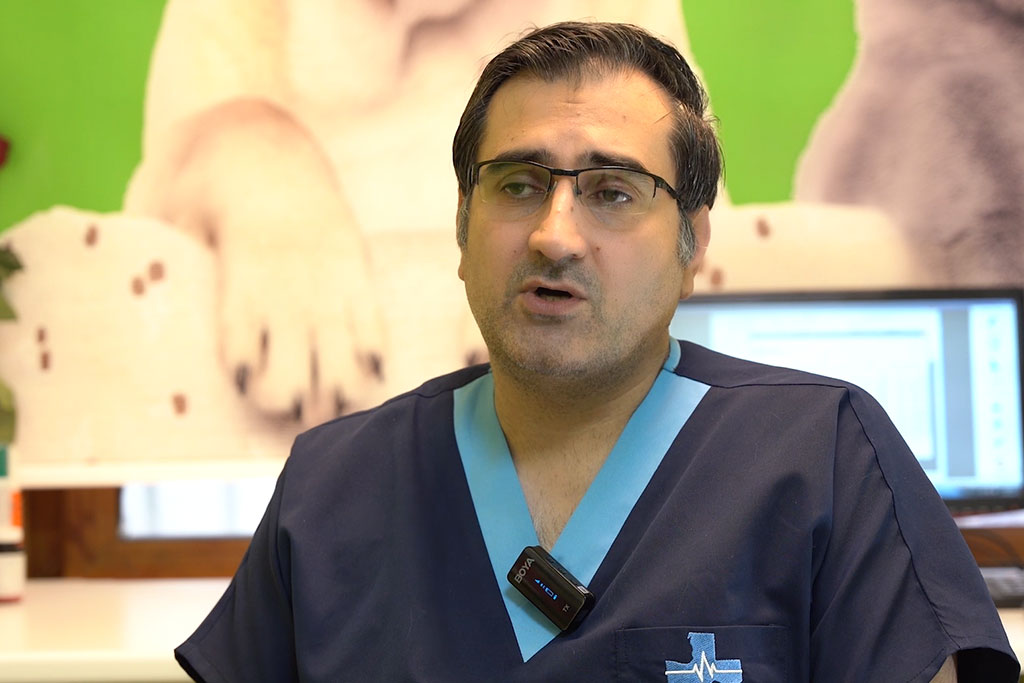
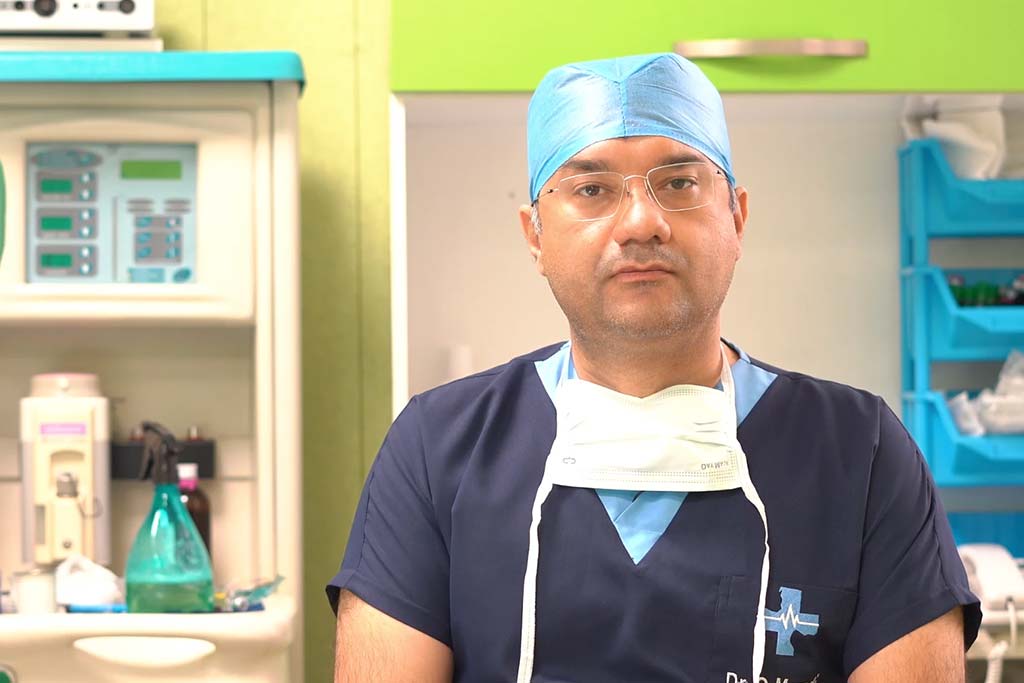
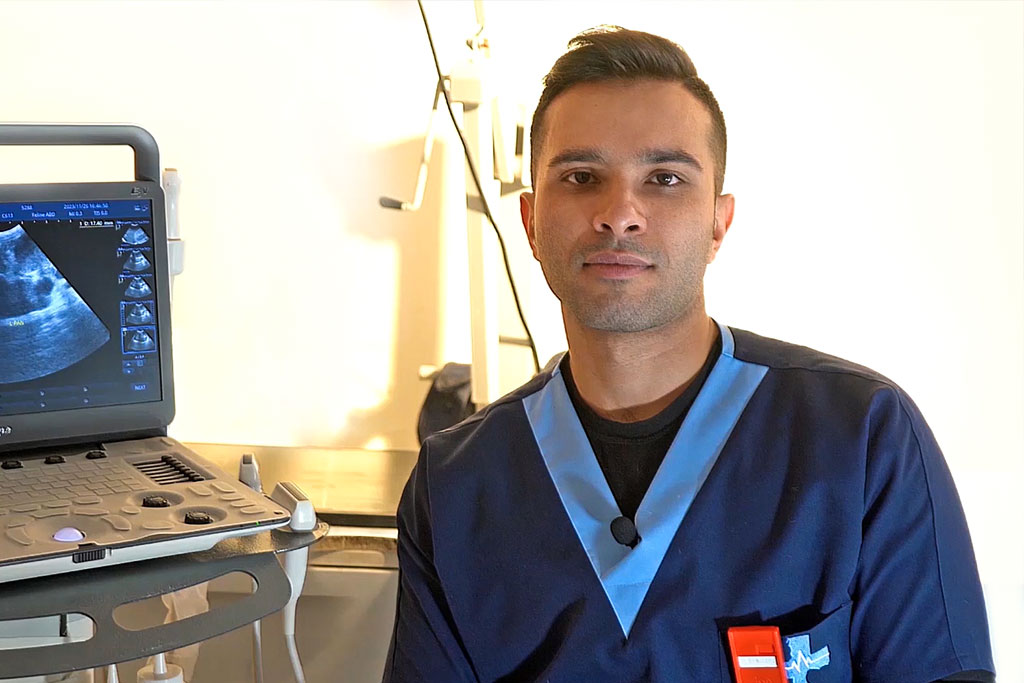
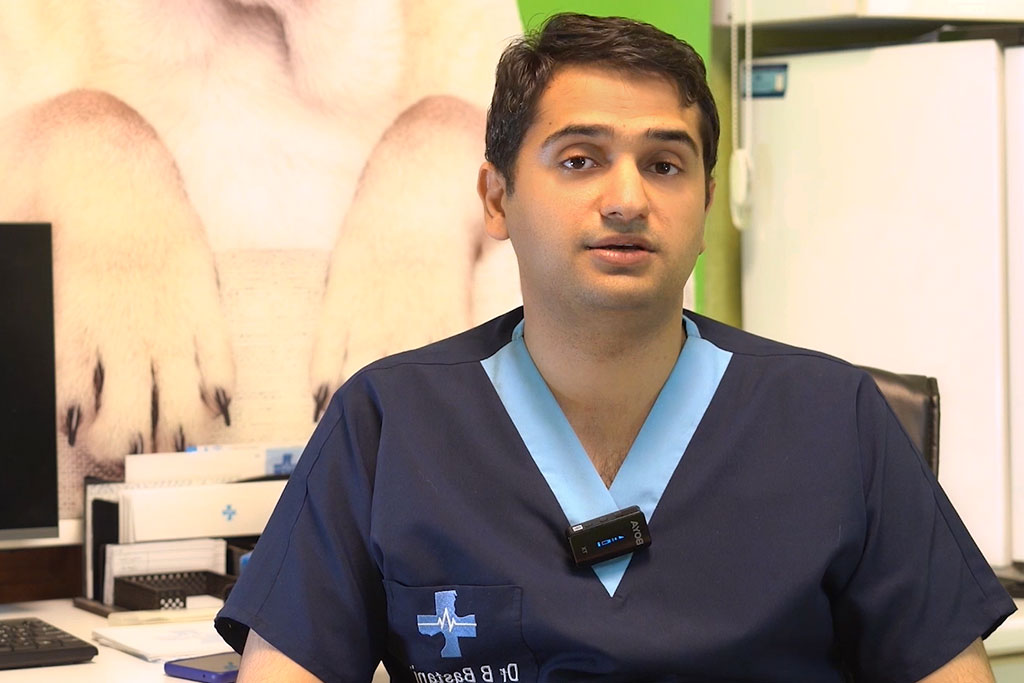
The Internal Medicine Department at Tehran Central Veterinary Hospital can be considered the heart of our medical services, where our specialists diagnose and treat a wide range of conditions. This department operates as a multidisciplinary team, ensuring a high level of precision and coordinated care.

One of the department’s unique and distinguished services is the diagnosis and treatment of various types of cancer—many of which, until just a few years ago, had no viable treatment options. To provide optimal outcomes for our patients—whether full recovery or alleviation of suffering—we collaborate with oncology specialists, including experts in oncopathology and radio-oncotherapy.

This department operates 24/7 and provides care for a variety of medical conditions, including:


Endocrine Disorders

  • Cushing’s Disease

  • Addison’s Disease

  • Diabetes Mellitus

  • Hyperthyroidism

Gastrointestinal Disorders

  • Diseases affecting the esophagus, stomach, small and large intestines

Hepatic, Biliary, and Pancreatic Diseases

  • Liver, gallbladder, and pancreatic conditions

Infectious Diseases

  • Leptospirosis

  • Nasal Aspergillosis

  • Parvovirus Infection

  • Feline Infectious Peritonitis (FIP) – treated using the most up-to-date global protocols

  • Panleukopenia

  • Distemper

Inflammatory & Immune-Mediated Diseases

  • Joint Inflammations

  • Polymyositis

  • Immune-Mediated Thrombocytopenia (ITP)

  • Immune-Mediated Hemolytic Anemia (IMHA)

Respiratory Diseases

  • Nasal and Tracheal Disorders

  • Lung Diseases

Renal and Urinary Tract Disorders

  • Acute and Chronic Kidney Failure

  • Urinary Incontinence

  • Prostate Diseases


In addition to the above services, our internal medicine team also offers advanced dental care, including:

  • Dental scaling and polishing

  • Extraction of single- and multi-rooted teeth

  • Restoration of fractured teeth

  • Treatment of oral infections
ویدئوهای بخش

سوالات متداول

Frequently Questions

Vaccination – What should my pet’s vaccination schedule look like?
Vaccination should begin at 8 weeks of age. This includes a series of three initial (booster) doses, each administered at intervals of three to four weeks. After completing the initial series, vaccinations should be repeated annually to maintain protection.
Do pets need deworming treatments?
It is recommended to follow a deworming program every three months.
What is the best food for a dog or cat?
Considering the essential nutrients required for a pet’s metabolism and growth—many of which are lacking in homemade food—the best option for companion animals is high-quality commercial pet food (dry or wet) available at reputable clinics and pet shops.
Is dental scaling necessary? Is anesthesia risky? When and how often should it be done?
Dental scaling is especially necessary for pets that do not receive regular tooth brushing. It plays a key role not only in maintaining oral and dental health but also in preventing serious conditions such as heart, kidney, and liver diseases. The ideal time to begin dental scaling is around the age of two, and it should be done based on the veterinarian’s recommendation. The typical interval between cleanings is every 1.5 to 2 years. Anesthesia used for dental scaling carries minimal risk when performed by an experienced anesthesiologist and with the use of proper monitoring equipment. There is generally no cause for major concern.
Is spaying/neutering necessary, and at what age is it recommended?
There are various opinions regarding spaying and neutering, but its necessity is undeniable when considering the pet’s age, sex, and breed, as evaluated by the attending veterinarian. The timing of the procedure should also be determined based on these same factors and carried out according to the veterinarian’s recommendation.
Check-ups and Blood Tests
Regular check-ups are generally recommended every 6 to 12 months, depending on the pet’s condition. Starting from the age of three, it is advisable to perform annual full blood tests and urinalysis. Additionally, a diagnostic ultrasound is recommended every two years to monitor internal health and detect any hidden issues early.
Are there any diseases that can be transmitted between dogs, cats, and humans?
There are indeed a limited number of diseases that can be transmitted between humans and both domestic and non-domestic animals. However, when it comes to companion animals, no serious or untreatable diseases have been reported that pose a significant threat to human health—especially if the pet is regularly monitored by a veterinarian and proper care and hygiene practices are followed. By adhering to the guidance provided by veterinary professionals, there is no major cause for concern regarding zoonotic diseases in pets.

بخش‌های مرتبط

بیمارستان دامپزشکی مرکزی با بهره گیری از جراحان حاذق و اتاق عمل مجهز ، قادر به انجام کلیه جراحی های بافت نرم و بافت سخت …
فیزیوتراپی در حیوانات مانند انسان‌ها دارای فواید بی‌شماری است که از جمله‌ی آن میتوان به ریکاوری سریعتر عوارض جراحی، …
بیمارستان دامپزشکی مرکزی، اولین مرکز درمانی بخش خصوصی ایران می باشد که مجهز به دستگاه رادیوگرافی DR (رادیوگرافی دیجیتال) …
آزمایشگاه بیمارستان مرکزی، با بهره گیری از متخصصین کلینیکال پاتولوژی دامپزشکی و به روز ترین تجهیزات آزمایشگاهی، امکان …