


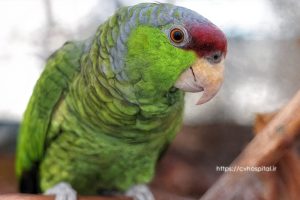


A lot of research has been conducted on the diet of pet birds. However, choosing a suitable diet for birds is still not an easy task. The diet of birds should contain appropriate components to meet their bodily needs. Can any food be provided to pet birds? Which foods are harmful to these animals? In this article, we will discuss the dos and don’ts of bird nutrition with you. Following these tips will not only help maintain the vitality and health of birds but will also greatly contribute to their lifespan.
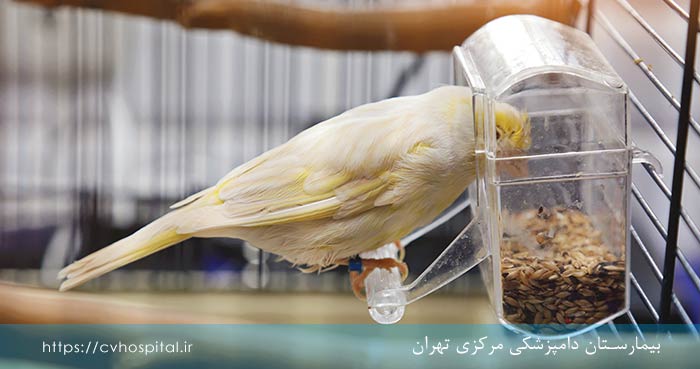
What foods should not be given to birds?
There are various foods that are suitable for humans and other living animals; however, consuming these same foods can lead to digestive issues in birds. For example, we can refer to rhubarb, artichoke, avocado, lavender, sugar, and coffee. In addition to these, the consumption of the following items is also not recommended:
- Garlic and onion: Long-term consumption of garlic and onion causes anemia in birds.
- Chocolate and cocoa: The caffeine and theobromine found in chocolate and cocoa not only increase the heart rate of birds but also cause digestive problems for them.
- Seeds of some fruits: The seeds of apples and pears can disrupt the digestive system of birds. These seeds may form cyanide compounds in the long term due to their specific components, leading to poisoning in birds, which we refer to as cyanide poisoning.
- Mushrooms and eggplants: Consumption of mushrooms and eggplants is forbidden for birds.
- Dairy products: Among dairy products, milk is not suitable for birds and should not be included in their diet. However, other dairy products are likely not to cause issues for birds. Nonetheless, care should be taken, for example, use probiotic cheese and yogurt for feeding birds.
- Fatty foods: Fatty food items should not be made available to birds. Fatty food not only causes fatty liver in birds but also contributes to weight gain and fat accumulation in their abdominal area.
- Starchy compounds: Excessive consumption of starchy compounds, especially rice, is not recommended for birds. Starchy compounds can lead to fatty liver.
- Sunflower seeds: Most birds love sunflower seeds. However, be cautious not to give them too many seeds.
- Avocado: Avocado contains a substance toxic to canaries and many pets. Avoid using this ingredient in your bird’s diet.
- Rhubarb: Consumption of rhubarb and spinach inhibits proper calcium absorption.
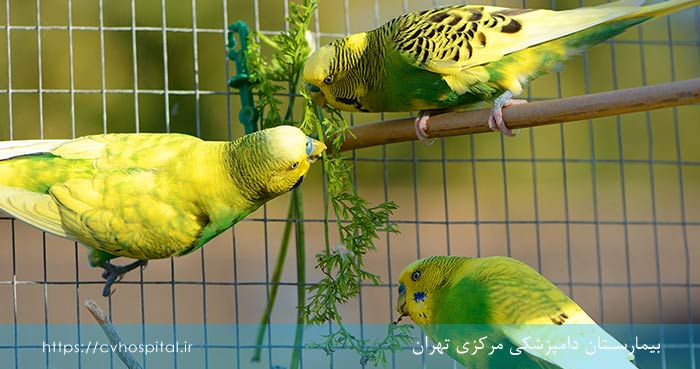
What points should we pay attention to in the nutrition of pet birds?
If you keep pets, you will certainly gain a better understanding of their needs over time. When feeding birds, consider the following points:
- Sand and gravel help with the digestion of bird food; therefore, sprinkle some sand and gravel at the bottom of the cage. Change the sand and gravel every once in a while.
- Don’t hesitate to crush eggshells. Sprinkle the crushed eggshells in the cage. Eggshells are a good source of calcium.
- For birds with colorful feathers, especially canaries, there are special food products that enhance the color of their feathers. You can use these products to make your bird’s feathers more beautiful.
- To prevent food from molding, remove any leftover food from the cage daily.
Benefits of sprouted seeds in feeding birds
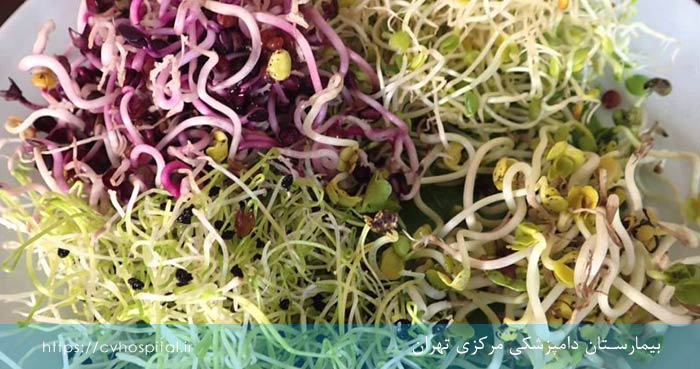
Sprouted seeds are essentially the roots of seeds that develop due to prolonged soaking in water. Sprouted seeds have numerous properties and are therefore very suitable for feeding birds. The presence of various vitamins, antioxidants, proteins, iron, zinc, potassium, magnesium, and phosphorus in sprouted seeds is essential for animal health and is also recommended for treating their diseases. You can use seeds like lentils, beans, sesame, fenugreek, broad beans, barley, wheat, millet, flaxseed, alfalfa, and clover. To sprout seeds, follow these steps to increase their nutritional value:
- Soak the seeds in a bowl of water at room temperature for 12 to 24 hours
- After this time, drain the seeds
- Remember to keep the seeds moist 2 to 3 times a day to prevent mold
Although preparing seeds is not difficult, you may not have the time or patience to do this. In that case, you can obtain pre-sprouted seeds from reputable suppliers. Keep in mind that powdered and pre-packaged sprouts can never replace fresh sprouts.
Comparison of pet bird nutrition with birds in the wild
Some people believe that the best feeding method is to mimic the feeding of wild birds and provide various foods to pet birds. However, this notion is entirely incorrect. Wild birds experience various environmental activities and stresses, and they also have different nutritional needs. Therefore, refrain from giving various seeds, insects, fruits, and vegetables to your pet birds. If your bird has a deficient diet, use various supplements to address their malnutrition problems.
Final Words
Try to diversify your bird’s diet; however, don’t forget that not every food is suitable for these beautiful and small creatures. In this article, we discussed some foods that can be detrimental to the health of birds.
We mentioned. Some foods containing carotenoids also have a significant impact on the beauty of animals. To maintain a balanced diet, consult a veterinarian before bringing a bird home. Each bird has different needs that only veterinarians are aware of. For more advice, you can contact the Tehran Veterinary Hospital team.