





Domestic cats need to be vaccinated to be protected against various diseases, and multiple vaccines should be administered throughout their lives. This includes the administration of the trivalent vaccine, which consists of the rhinotracheitis vaccine, calicivirus vaccine, and panleukopenia vaccine for cats. Given that the immune system of cats is very weak at a young age, timely vaccination greatly affects their life and health. If you have adopted a lovely cat, it is essential to familiarize yourself with the trivalent vaccine for cats and the vaccination schedule. Furthermore, if you have delayed administering the trivalent vaccine to your cat, please contact our colleagues at the Central Veterinary Hospital for consultation.
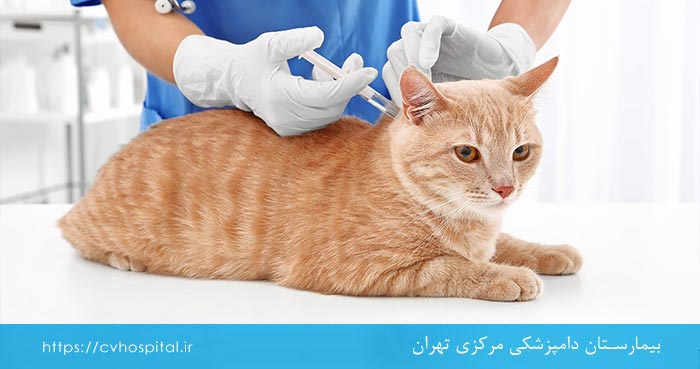
Trivalent Vaccine or FVRCP in Cats
The FVRCP or RCP, known as the trivalent vaccine for cats, is one of the essential vaccines for pets, such as kittens and adult cats. This vaccine should be administered to cats every few months to protect them from three diseases, including upper respiratory disease, calicivirus, and panleukopenia (parvovirus). This vaccine should be part of a cat’s vaccination program to serve as a strong shield against deadly diseases.
Timing for the Administration of the Trivalent Vaccine in Cats
Kittens should receive their first vaccine, the trivalent vaccine, at 8 weeks or 2 months of age. Then, from 3 to 4 weeks until they reach 4 months of age, the booster trivalent vaccine should be administered.
Rhinotracheitis Vaccine for Cats for Upper Respiratory Disease
One common disease in cats is upper respiratory disease, which can be prevented by administering the rhinotracheitis vaccine. This disease is often seen in younger cats, and its symptoms include sneezing, nasal discharge, and eye discharge, which occur in many cats. Initially, these discharges may be mucous, and later they can become infectious. When a cat suffers from upper respiratory disease, you should visit a veterinarian for an examination, so that if necessary, radiography of the head and neck of the cat can be performed and specific treatment methods can begin.
Treatment of Upper Respiratory Disease in Cats
The best way to prevent upper respiratory disease in cats is by administering the trivalent vaccine, which reduces the suffering from this disease and lowers the incidence in various breeds of domestic cats. If your cat is suffering from upper respiratory disease, you should visit a veterinarian to initiate treatment after an initial examination. Upper respiratory disease is recognized as a cold in cats and can affect all areas of the pet’s respiratory system. Using human cold medications for these pets is extremely toxic and fatal; therefore, avoid using them. After visiting the veterinary hospital, the treatment staff will prescribe oral or eye antibiotics and antiviral medications after examining your pet. To clean the discharge on the eyes and nose, nasal decongestants will be provided, and appetite stimulants will be given. If your cat’s condition is critical and it can only breathe through its mouth, it should be hospitalized.
Calicivirus Vaccine for Cats
One of the diseases affecting the oropharyngeal area of feline species is calicivirus, which causes weakness in the mouth and on the tongue. This disease also leads to severe damage to dental and gum tissues, disrupting your pet’s health. There is a specific treatment method for this disease that needs to be followed. If calicivirus in your pet is severe, it can also involve the bony structures of the jaw; therefore, early veterinary intervention is very helpful for treating this type of disease.
Treatment of Calicivirus Disease in Cats
The treatment process for calicivirus disease in cats is determined by the veterinarian according to their condition. If calicivirus has progressed significantly and has caused many deep ulcers in the cat’s mouth and damaged its lungs, then the treatment process is very difficult, and your pet’s recovery will take a long time. Fortunately, there is a vaccine for this disease that includes the trivalent vaccine and rabies vaccine, which should be administered to your pet in various stages; however, the best way to combat this deadly and dangerous disease in cats is to maintain hygienic practices.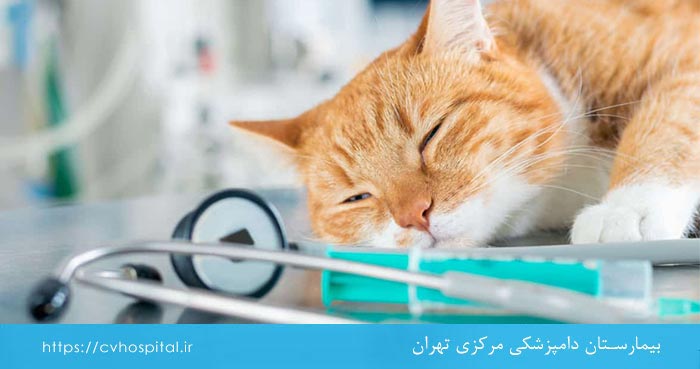
Panleukopenia Vaccine in Felines
Another virus present in felines is the panleukopenia virus, which is recognized as a very strong virus. This virus can easily transmit among different felines. Its severity can pose life-threatening risks to animals, with symptoms including diarrhea and/or vomiting, and some may exhibit both symptoms. Panleukopenia can take the life of a cat within a short time; therefore, if you observe symptoms of this disease in cats, you must quickly consult a veterinarian and adhere to all of the veterinarian’s instructions for treatment, as following these instructions significantly impacts your cat’s health and life. Vaccination is very important for cats to treat this disease, as it can help bring the cat out of a critical state. Thus, take vaccination for domestic cats seriously, especially administering the trivalent vaccine, and ensure necessary actions are taken upon noticing symptoms from a young age, such as gastrointestinal symptoms, and consult the veterinary team for an examination.
Treatment of Panleukopenia in Cats
The best way to treat panleukopenia is to vaccinate these cats and kittens. In fact, a main vaccine for this disease exists before infection occurs with panleukopenia in catsHowever, after contracting this disease
There is no vaccine for its treatment. Usually, these types of vaccines are administered to cats every one to three years, and you should talk to your veterinarian when vaccinating. Although there is no definitive method for treating panleukopenia in cats, veterinarians can manage this disease in your pet through various methods and enhance the cat’s immune system with different medications. Note that if your cat is younger than 8 weeks, the likelihood of its death is high; however, if the cat is older, it will have a better chance of survival.
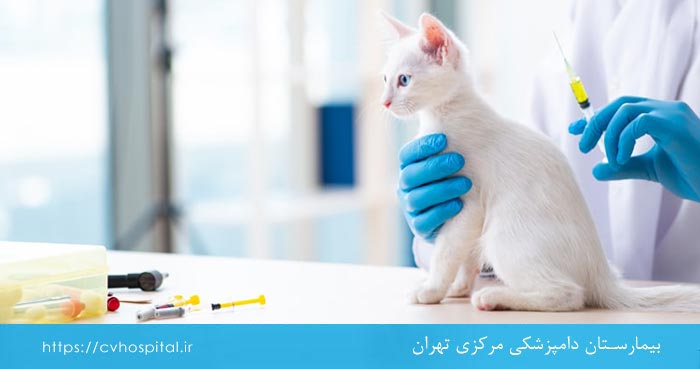
Cats that suffer from panleukopenia typically become dehydrated, and this can be treated with fluids. After panleukopenia, these animals will develop bacterial infections, which are treated with antibiotics. Before adopting cats, make sure to perform initial veterinary examinations in pets; because some of them may have contracted panleukopenia while living with other cats, as this disease is contagious and can easily spread from sick to healthy cats.
Conclusion
The 3-in-1 vaccine for cats, or FVRCP, is one of the essential vaccines that should be administered to cats periodically to protect them against panleukopenia, calicivirus, and upper respiratory diseases. These diseases are contagious and can lead to the death of the cat if they worsen; therefore, it is necessary to vaccinate the kittens with FVRCP at the appropriate time after their birth. Delaying the administration of the 3-in-1 vaccine can lead to irreparable consequences. For administering cat vaccines, including the 3-in-1 vaccine, as well as for the treatment and prevention of panleukopenia, calicivirus, and upper respiratory diseases, you can visit the Central Veterinary Hospital. If you have any questions about the delayed administration of the 3-in-1 vaccine, how to inject it, potential side effects, or post-vaccination care for cats, please contact the numbers listed on the website and take advantage of the consultations from the veterinarians at the Central Veterinary Hospital.