




Flaccid limb is one of the diseases observed in certain domestic cats. This condition has various causes, one of which is heart disease in cats. If you do not take the cat to the veterinarian on time in this situation, its heart issues and paralysis can worsen, potentially endangering the animal’s health and life. In this emergency, it is necessary to take immediate steps to save your pet’s life and urgently take it to the veterinarian for the start of the heart disease treatment under the supervision of veterinarians. Accordingly, we will refer to updated information regarding this matter below.
Diagnosis of Sudden Paralysis in the Rear Legs of Cats
In some cases, the paralysis of cats’ legs is a very advanced sign of the presence of heart diseases in cats. Severe heart problems in cats, if not treated in time, can lead to their paralysis; because gradually a clot forms in the cat’s heart, blocking the vessels that supply blood to the cat’s legs, resulting in leg paralysis.
Heart Disease in Cats Cats usually do not engage in activity and sit in one place, making it difficult to diagnose heart disease in cats. Pet owners can diagnose this disease in their cat; therefore, it is essential to know whether their cat’s activity has decreased or not. In fact, this factor is the biggest contributor to the diagnosis of heart diseases in cats, which cannot be assessed during clinical examinations by veterinarians. However, it is usually possible to tell the pet owner about dogs if their dog gets tired sooner than it did six months or a year ago. For instance, the dog owner might state that their pet used to be fine after playing in the park for several hours, but now gets tired after just a quarter of an hour of play. However, this issue cannot be addressed in the case of cats. Therefore, heart disease in cats and dogs is diagnosed differently, and it is diagnosed later in cats. This issue is important because this disease causes severe pain in cats and increases the stress levels of the pets. Owners of domestic cats should know that sudden paralysis in the back legs of the cat, severe meowing when touching the back legs, and extreme restlessness—all these signify the presence of pain—increase the likelihood of heart disease in this pet, and the cat should be transferred to a veterinary hospital urgently.
Necessary Steps for Transferring a Domestic Cat with Heart Disease to a Veterinary Hospital
If possible, purchase oxygen capsules available at pet shops during the transfer of a cat with heart disease to the hospital. These capsules contain about 20 to 30 puffs of oxygen, which can be administered to the cat during transportation to reduce the pressure on its heart and the stress caused by the intense pain. Events during this situation that endanger the pet’s life include pain and stress in cats, which ultimately results in an increased heart rate, while the heart is already deficient. Therefore, it is necessary to also administer a painkiller alongside the oxygen given to the cat. The challenge here is that not every painkiller can be administered to a cat with heart disease. Usually, in this case, opioids are very effective. Other pain medications have direct effects on the cat’s heart and vessels, increasing their risks. Hence, veterinarians cannot use these pain medications; however, opioids can help the cat and significantly reduce its pain and have a specific effect on cardiac output and vessels.
Treatment Steps for Cats with Heart Disease and Limb Paralysis
In these circumstances, when the cat is brought to the hospital, its condition is very serious. The animal has become paralyzed due to a blood clot, and its vessels are blocked, meaning that no blood reaches the lower limbs and their nerves. In this case, veterinarians will perform surgery on the cat based on the golden time, which is between 24 to 48 hours; however, not every cat is suitable for surgery. Heart surgery in male and female cats depends on the type of blood clot and the amount of cardiac output. This is because there are risks such as the possibility of the cat not waking up after surgery. Also, a veterinarian may operate on the cat, but the type of clot might be such that if it is removed, it travels to other organs, like the lungs, and can cause an embolism, leading to lung failure. In this case, the lungs may accumulate water, and their condition becomes much worse. Veterinarians must assess these risks before surgery to ensure the pet’s life is not endangered.
How Can It Be Determined if a Cat is a Suitable Candidate for Heart Surgery?
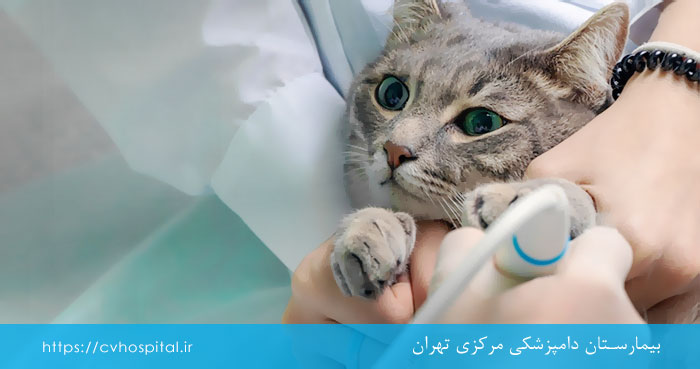
Before heart surgery on a cat, it is necessary for this pet to be calmed down; veterinarians will ultrasound it, and based on the type of clot identified in the ultrasound and the echocardiography results of the cat’s heart, they will decide whether this animal is ready for heart surgery or not. If approved and surgery is performed, attention must be paid to post-surgery care for pets and follow it.
When a cat is a suitable candidate for heart surgery, it usually has good outcomes as long as all the stipulated conditions are met. Typically, a low percentage of cats are candidates for heart surgery, with 2 out of every 10 cats being suitable for heart surgery.
Treatment Steps for Domestic Cats with Heart Disease Without Surgery
If your cat is not a suitable candidate for heart surgery, in this case, after a certain age…
To eliminate blood clots, give specific medications to the cat. Medications such as streptokinases, which are sold at a high price of about 15 to 20 million in the market, are not a suitable option; as these medications dissolve the blood clot in the cat. Medications that prevent the formation of new clots are the gold standard in this situation and are a better option. The main ones are low molecular weight heparins known as enoxaparin, which are injected subcutaneously over a few days and are continued with oral medications. This treatment process for heart disease in cats can take several weeks or months before the pet regains its mobility.
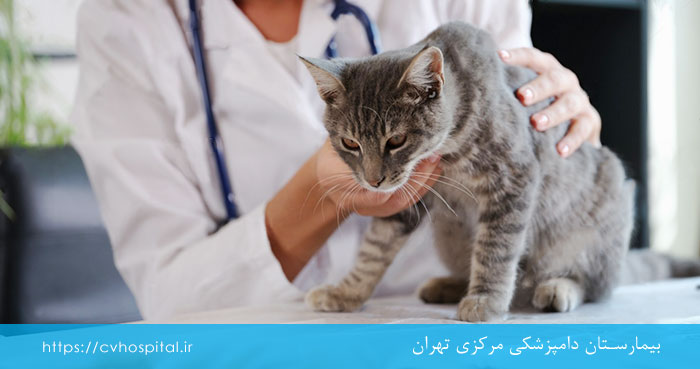
If the blood clot is very large, the cat’s legs can undergo necrosis, which will gradually become ulcers and get infected. If these wounds affect the blood vessels of the kidneys and intestines, the animal’s condition will worsen, and you should take the cat for an ultrasound to determine its status. In the best-case scenario, paralysis of the cat’s legs due to very small clots will occur, with only the legs losing function, and in this case, it might be possible to return the pet to its normal state over several weeks with the use of oral and injectable medications.
A Quick Review
Paralysis of the hind legs in domestic cats can be a sign of acute heart disease. Therefore, if you notice any suspicious symptoms, take your pet to the veterinarian immediately. Given that diagnosing heart disease in cats is difficult, if you observe that your pet is in significant pain and its hind legs are paralyzed, quickly transfer it to the veterinary hospital with injections of pain relief medications and oxygen capsules. There, veterinarians will prepare the cat for surgery by performing ultrasound and echocardiography, which usually results in a good outcome; however, if your cat is not a suitable case for surgery, specific medications tailored to its condition will be injected, and the pet will be brought back to normal in a few weeks or months.
Veterinarians and specialists at the central veterinary hospital are able to quickly examine your cat using the equipment available to them and prepare it for the treatment process based on the findings; therefore, if necessary, you can visit the hospital as soon as possible.