

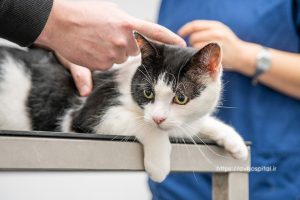
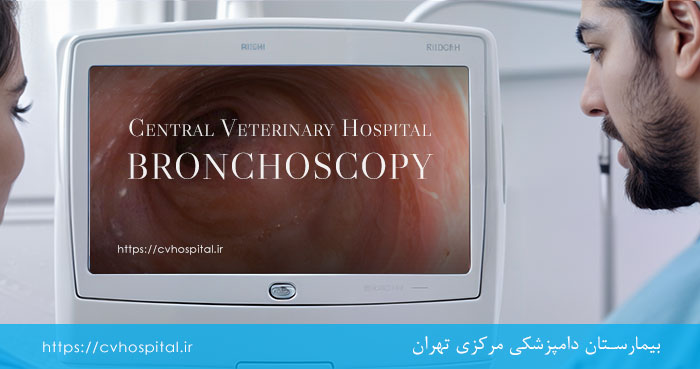
Bronchoscopy is especially useful in dogs and cats that present with chronic or unexplained respiratory signs.
Structure of the Respiratory System and Physiology of Breathing
The respiratory system consists of the trachea, bronchi, and lungs. The trachea divides into two main bronchi, which further branch into smaller and thinner divisions. These structures are essential for the proper functioning of the breathing process.
- Trachea: A muscular-cartilaginous tube that carries air from the throat to the lungs.
- Bronchi: Branches of the trachea that enter the lungs and assist in gas exchange.
- Lungs: The primary site for gas exchange, composed of several lobes.
The function of the respiratory system depends on the process of exchanging oxygen and carbon dioxide. In this process, oxygen from the inhaled air enters the blood, and carbon dioxide is transported from the blood to the air. Any disruption in this process can lead to respiratory problems and affect the health of the animal.
Respiratory Diseases in Pets and Indications for Bronchoscopy
In this section, the eight main indications for bronchoscopy in cats, dogs, and other pets that lead veterinarians to use this method will be detailed.
1. Bronchitis
Bronchitis is one of the most common respiratory diseases in dogs and cats. It is inflammation of the airways that can present acutely or chronically. This disease may arise from various causes, including cigarette smoke, chemicals (such as bleach, Dettol, alcohol), dust, mites, and viral or bacterial infections. Clinical Signs: Persistent cough, shortness of breath, wheezing, and coughing fits after physical activity or eating. Diagnosis: Bronchoscopy in dogs and cats is useful for identifying inflammation and abnormal secretions and allows for sampling to determine the type of infection and bronchitis in dogs and cats.
2. Pneumonia
Pneumonia refers to inflammation of the lung tissue, which can occur due to bacterial, viral, or fungal infections. Clinical Signs: Coughing, fever, difficulty breathing, and loss of appetite. Diagnosis: Although bronchoscopy cannot directly examine lung tissue, it can aid in diagnosing and sampling fluids within the lungs, bacteria, and fungi.
3. Upper Respiratory Infections
Viral and bacterial infections can affect the nasal passages, throat, and larynx in dogs and cats. Besides bronchoscopy, radiography of the head and neck in animals can also assist in diagnosing upper respiratory issues. Clinical Signs: Sneezing, coughing, nasal discharge, and fever. Diagnosis: The use of bronchoscopy in cats and dogs allows the veterinarian to observe and sample lesions present, enabling better treatment options for animals affected by these diseases.
4. Bronchial Asthma
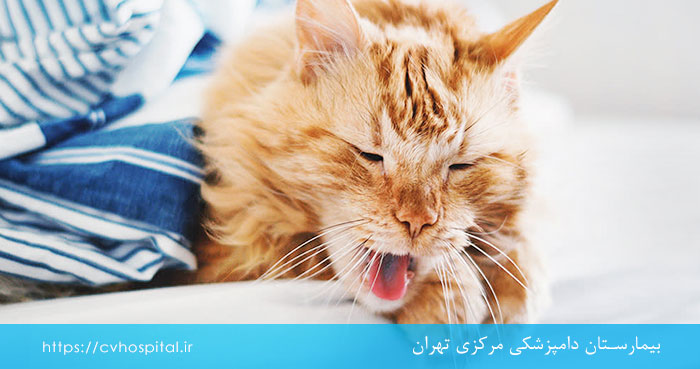
Bronchial asthma is a chronic condition that can affect the airways of pets, causing wheezing, respiratory distress, and even choking. Clinical Signs: Frequent coughing, noisy breathing, and shortness of breath. Diagnosis: Performing bronchoscopy in dogs and cats, along with washing the airways, can help identify the cause of these attacks and prescribe appropriate treatment.
5. Lung Tumors
Lung tumors may be benign or malignant and can originate from lung tissue or spread from other tissues. Clinical Signs: Coughing blood, difficulty breathing, and weight loss. Diagnosis: Bronchoscopy helps identify tumors and perform biopsies.
6. Foreign Bodies in the Airways
The presence of a foreign body in the airways can lead to blockage and inflammation. Many pets may accidentally ingest foreign objects due to curiosity. Clinical Signs: Frequent coughing, difficulty breathing, and lethargy. Diagnosis: Bronchoscopy helps identify and remove foreign objects.
7. Chronic Lung Diseases
Many chronic lung diseases may have no clear cause and cannot be diagnosed by other imaging techniques like radiography or CT scans. Conditions such as chronic bronchitis and pulmonary emphysema can cause structural changes in lung tissue. Bronchoscopy can provide valuable information for accurate diagnosis and treatment for animals suffering from pulmonary emphysema or fluid accumulation in the pleural space and thoracic cavity. Clinical Signs: Persistent cough, shortness of breath, and fatigue. Diagnosis: Bronchoscopy helps identify tissue changes and inflammation.
8. Chronic Inflammation of the Airways
Chronic inflammation of the airways is one of the respiratory diseases in cats and dogs. This inflammation may result from recurrent infections, asthma, or environmental factors. Clinical Signs: Frequent coughing, nasal discharge, and shortness of breath. Diagnosis: Bronchoscopy in this case helps evaluate the severity of inflammation and allows for sampling.
Preparing the Pet for Bronchoscopy
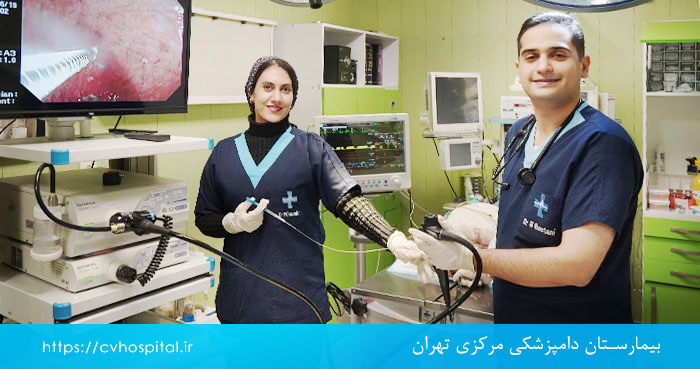
Preparing the animal before bronchoscopy includes:
- Initial Examination: Evaluating the medical history and clinical signs of the animal.
- Pre-operative Testing: Conducting blood tests and chest radiography.
- Food Restriction: The animal should fast for at least 12 hours prior to the procedure.
- Anesthesia: The animal will be placed under general anesthesia.
How Bronchoscopy is Performed in Pets
The bronchoscopy procedure for dogs and cats is carried out as follows:
- Inserting the Bronchoscope: The bronchoscope is inserted into the trachea via the mouth or nose.
- Observing the Airways: The veterinarian observes the condition of the airways in real-time.
- Sampling: If necessary, samples are taken from suspicious areas.
- Biopsy is performed:
- Removal of foreign bodies: If a foreign body is present, it is removed.
- End of procedure: After completing the procedure, the bronchoscope is gently removed and the animal is transferred to the recovery section.
Considerations
Avoid using endotracheal tube: In some cases, the use of an endotracheal tube may hinder the entry of the bronchoscope. Continuous monitoring: Monitoring the vital signs of the animal during the procedure.
Post-operative care for pet bronchoscopy
After performing bronchoscopy on pet dogs and cats, the following should be observed:
- Recovery: The animal must be monitored for at least 24 hours. Since the animal was under anesthesia, it is necessary to perform post-anesthesia care for the animal.
- Monitoring vital signs: Checking heart rate, breathing, and temperature.
- Diet: Soft and easily digestible foods should be used. The animal should gradually have access to water. Initially, it should be ensured that the animal can drink water gently. After a few hours, soft and low-fat foods can be gradually added to its diet.
- Medical follow-up: Evaluating the results of the biopsy and determining the treatment plan. Also, re-evaluating with radiology and additional tests to ensure the recovery of the animal.
- Medications: Use of anti-inflammatory drugs, antibiotics, and bronchodilators.
Final words
Bronchoscopy in pets serves as a vital tool for diagnosing respiratory diseases in dogs and cats, assisting veterinarians in obtaining accurate information about pets’ conditions. This method not only aids in diagnosis but also helps in treating respiratory diseases in pets.
If you notice any suspicious respiratory signs, bring your cat or dog to the Central Veterinary Hospital for examination, so necessary assessments can be conducted through bronchoscopy if needed, and a treatment plan can be initiated for the animal.