



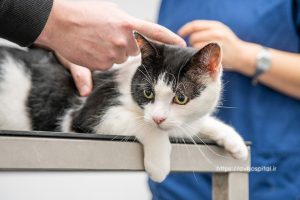


Animals with gastrointestinal signs are among the most common veterinary cases referred to treatment centers and are often treated with simple therapies within one or two days. However, sometimes these signs indicate an underlying problem in the gastrointestinal tract that must be diagnosed in a timely manner. In the following, we will review the case of a dog suffering from pancreatitis to become more familiar with the diagnostic procedures of our colleagues at the Central Veterinary Hospital.
Case Study of a Dog with Chronic Vomiting Symptoms
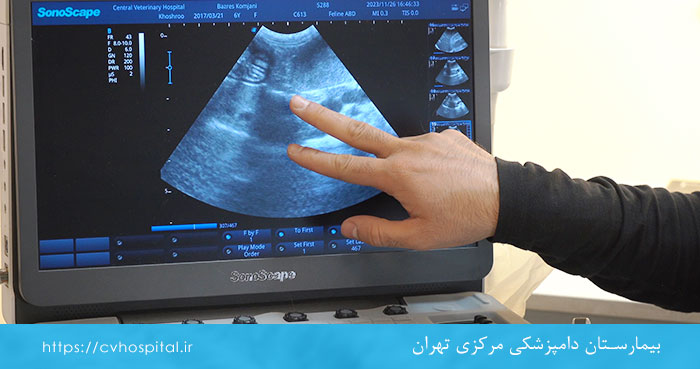
The case in question was a 4-year-old female spayed dog that had been referred to the hospital due to continuous vomiting. In the first two days, this dog received standard treatments, and her symptoms improved slightly but did not completely resolve. In cases where only transient inflammation or infection is involved, problems are usually resolved with initial treatment; however, this was not the case here, and thus the animal was referred to the hospital’s radiology department for an ultrasound examination.
The Importance of Ultrasound in Diagnosing Gastrointestinal Diseases
After performing gastrointestinal ultrasound in dogs, we encountered several specific findings, the most important of which was the deformation, size, and abnormal shape of the pancreas (an organ that plays a vital role in digestion).
Diagnosis of Gastrointestinal Disease in Dogs
In this case, the initial diagnosis by the attending veterinarians at the Central Veterinary Hospital was that the pancreas was inflamed, a condition known as pancreatitis. (Although this dog had other problems as well (masses on her spleen that were classified as benign), the overall findings indicated pancreatitis.)
Referral to Internal Medicine for the Treatment of Pancreatitis
After the diagnosis of pancreatitis, the case was referred to the internal medicine department for necessary care and medications.
Pancreatitis in Dogs and Cats
The pancreas, located next to the stomach, produces and releases enzymes that help digest food. Normally, these enzymes are inactive until they reach the small intestine. However, with pancreatitis, the enzymes activate too early and irritate the pancreas and the surrounding tissue, leading to pancreatitis or inflammation of the pancreas. Pancreatitis is often an acute problem that causes gastrointestinal symptoms such as vomiting and/or diarrhea accompanied by abdominal pain, which can progress rapidly. Frequent attacks may lead to long-term consequences, including repeated hospitalizations and the development of chronic pancreatitis. Therefore, timely diagnosis and treatment are recommended to prevent complications and improve the quality of life for pets.
How Do Pets Develop Pancreatitis?
In most cases, the cause of pancreatitis is unknown in both cats and dogs. Some pets experience acute pancreatitis, meaning it appears suddenly. Other pets may have chronic pancreatitis that develops over time. Both types can range from mild to severe and can be very painful.

- Dietary indiscretion
- Genetics – certain breeds like Miniature Schnauzers and Yorkies are more susceptible to this disease.
- High-fat diets – especially for pets that consume large amounts of fatty food at one time.
- Medications – some drugs can cause side effects by increasing blood fat levels.
- Concurrent diseases – conditions such as cancer, diabetes mellitus, chronic gastrointestinal disease, liver disease, hypothyroidism, and Cushing’s disease in dogs.
- Surgery or trauma
Symptoms of Pancreatitis in Pets
Clinical manifestations in cats and dogs can be nonspecific. Patients with acute pancreatitis often present with gastrointestinal symptoms such as vomiting, diarrhea, abdominal pain, dehydration, fever, and yellow discoloration of the eyes. Patients with chronic pancreatitis may exhibit mild symptoms including anorexia, reduced appetite, and lethargy.
Diagnosing Pancreatitis in Pets
Given the nonspecific nature of the symptoms, the diagnosis of pancreatitis includes ruling out other causes of anorexia, vomiting, diarrhea, and abdominal pain. It is important to inform the veterinarian of all medications your pet is taking to ensure these drugs are not causing the symptoms. If there is clinical suspicion, the animal may be tested for other diseases. Symptoms such as increased drinking, increased urination, changes in energy levels, hair loss, and changes in weight (loss or gain) should be discussed with the veterinarian as they may be useful for diagnosis.
The veterinarian typically begins with abdominal radiography (X-ray) to rule out the possibility of foreign bodies in the gastrointestinal tract. Patients with pancreatitis may show mild changes on abdominal X-rays, however, abdominal ultrasound is often essential for diagnosing pancreatitis.
Blood Tests for Diagnosing Pancreatitis
Routine laboratory tests may show elevated white blood cell counts, low platelet counts, high kidney values, electrolyte abnormalities, and elevated amylase and lipase (enzymes). Urinalysis is useful for checking for signs of diabetes and infection. These enzymes can be produced and secreted by many organs in the body, so routine laboratory work may not be sufficient. Additional specialized blood tests may be necessary. Tests such as SNAP cPL and fPL are available in many veterinary clinics. These rapid tests are useful for ruling out pancreatitis because a negative result indicates that the patient is unlikely to have pancreatitis. In
In the case of a positive SNAP test, further specialized tests including Spec cPL and fPL are used to confirm the diagnosis and establish a baseline value to help monitor the disease in the future.
Note: Due to potential overlap with other underlying diseases such as exocrine pancreatic insufficiency and hepatitis, additional screening tests may be recommended. The veterinarian may want to measure the levels of vitamin B12 and folate as they indicate underlying malabsorption and gastrointestinal disease.
Treatment of Pancreatitis
Unfortunately, there is no single antidote for pancreatitis, and supportive medical care in patients with acute pancreatitis is critical. The good news is that surgical intervention is rarely necessary. Instead, the animal may be hospitalized for intravenous fluids, especially if it has not eaten or drunk fluids or has been vomiting or experiencing diarrhea. Monitoring of patients in the hospital includes regular vital signs, blood pressure, hydration status, blood glucose, and electrolytes. The animal receives intravenous pain medication while in the hospital, and it is likely that oral pain medications will also be prescribed upon discharge. Anti-nausea medications are also a crucial part of managing pancreatitis. The veterinarian may prescribe a combination of these medications. The medications that are commonly prescribed include maropitant, ondansetron, and metoclopramide. The animal may also benefit from appetite stimulants like mirtazapine or capromorelin. Antacids like omeprazole and sucralfate do not have direct benefits on pancreatitis itself but may be prescribed if there are concurrent gastrointestinal issues.

The Importance of Nutrition in the Treatment of Pancreatitis
Nutrition is important in the treatment of pancreatitis. Often, pets do not eat well for a few days, so withholding food is not recommended. Pets with mild pancreatitis may begin to eat slowly with supportive care. If your pet’s appetite does not return within 48 hours, feeding tubes may be recommended. Feeding tubes can also be used for hydration and administering medications. The tubes are generally well tolerated in cats and dogs and have few complications.
Diet for Dogs with Pancreatitis
In dogs, a super low-fat diet is recommended. This may be a prescription diet or a home-cooked diet. However, sick pets may need to be fed with mild foods like boiled chicken and white rice.
Diet for Cats with Pancreatitis
A low-fat diet in cats is not recommended due to their higher fat needs. Chronic pancreatitis in cats is treated like cats with chronic intestinal disease (like inflammatory bowel disease). The veterinarian prescribes a novel protein or a hydrolyzed diet (where the protein is pre-digested). However, in cases of acute pancreatitis, especially with prolonged anorexia, the focus is on encouraging cats to eat. In this article, we attempted to clarify the role of testing and ultrasound in diagnosing gastrointestinal diseases by reviewing a case study. If you still have any ambiguities or questions on this matter, please contact us through the communication methods provided on the website and receive necessary guidance from our colleagues at the Central Veterinary Hospital.