


displacement of the kneecap is one of the most common factors that sends pets to the operating room. In this condition, the kneecap moves out of its normal position, causing difficulty in the animal’s movement. Although this condition also occurs in cats, it is more commonly seen in dogs, especially in small and toy breeds. If the displacement worsens, it prevents the normal activity of dogs and creates a significant problem for both them and their owners. In this article, we will introduce you to this common condition in dogs and answer all the questions you may have about it.

What is kneecap displacement?
The kneecap is a bony protrusion in the knee area that facilitates knee movement. Kneecap displacement occurs when the kneecap moves out of its groove, where it usually slides up and down, and slips outward. This condition can happen towards the inside or outside of the leg, with inward displacements being more common.
With kneecap displacement, the knee cannot be properly extended and remains bent. Fortunately, the kneecap can often be returned to its rightful place so that it only takes a few stages to return to normal. However, in some dogs, returning the kneecap to its original position is only possible through surgery.

Which breeds are more prone to kneecap displacement?
As mentioned at the beginning, kneecap displacement is more prevalent in some dogs. The breeds that are more affected by this condition include: Affenpinscher, Brussels Griffon, Chihuahua, King Charles Spaniel, Greyhound, Japanese Spaniel, Maltese, Manchester Terrier, Miniature Pinscher, Papillon, Pekingese, Pomeranian, Poodle, Pug, Shih Tzu, Silky Terrier, and Yorkshire Terrier.

Causes and symptoms of kneecap displacement in dogs
Kneecap displacement has various causes. Most often, the main contributing factors are genetics or trauma. Deformities or bone shape changes can also be significant risk factors that predispose an animal to such a condition.
This condition is diagnosed through symptoms such as limping. When an animal experiences kneecap displacement, you may initially notice occasional hopping in its steps or observe that it favors one leg over the other. The kneecap often effortlessly slips back into place, and the dog walks normally as if nothing has happened. However, over time, the situation may worsen and the limping may become more pronounced.

Four degrees of kneecap displacement in dogs
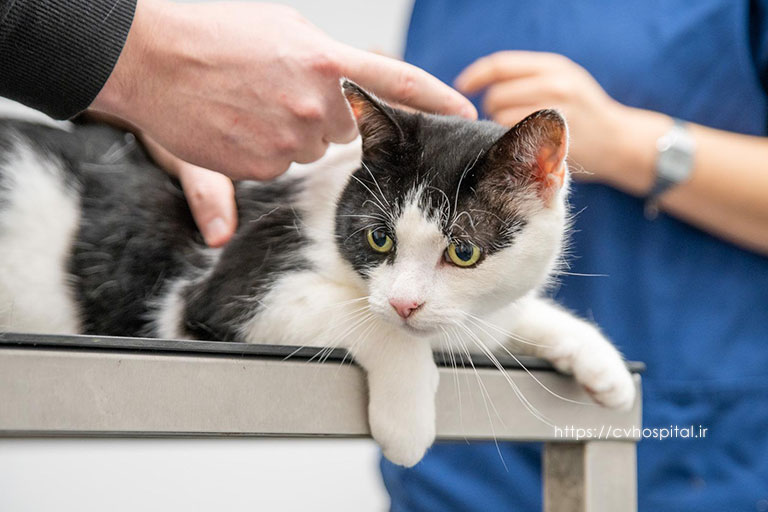
In dogs, kneecap displacement is identified by a veterinarian through a physical examination and is classified into four degrees based on severity. These four degrees are as follows:
- Grade One: The kneecap dislocates from its normal position with pressure but immediately returns to its place once released. Grade one kneecap displacement typically reveals itself accidentally during routine veterinary examinations. This grade usually does not lead to clinical symptoms like limping and does not require any specific treatment.
- Grade Two: The kneecap easily dislocates from its normal position with pressure and remains displaced until manually adjusted. Limping is typically intermittent when the kneecap is out of its normal position. This grade can be painful if cartilage is damaged (due to repeated dislocations).
- Grade Three: The kneecap dislocates most of the time; however, it can be returned to its normal position with pressure. Nevertheless, when this pressure is removed, the kneecap begins to dislocate on its own. Due to structural changes in the limb and/or cartilage injuries caused by recurrent dislocations, dogs at this grade may experience more pain and consequently show more limping.
- Grade Four: The kneecap is permanently out of its normal position and cannot be manually repositioned. Severe structural changes usually exist, leading to not only limping but also movement disorders and reduced limb function.

Is kneecap displacement painful?
As previously mentioned, kneecap displacement varies in severity, and the mildest type is not very painful. However, as the condition progresses, the weight bearing on the hind legs changes, which over time leads to changes in the pelvis, long bones, and ultimately joint inflammation. The severity of changes depends on the degree and the duration for which this degree persists. Over time, as structural changes occur, joint inflammation starts, which is indeed painful.

Treatment for kneecap displacement in dogs
The treatment methods for kneecap displacement in dogs vary based on the degree of the condition, ranging from medical management to surgery. In most cases, grade one and two dislocations are treated with pain relief and anti-inflammatory medications, weight management, and similar measures. Physical rehabilitation may also be beneficial in these two grades, allowing dogs to return to normal activity by rebuilding muscle strength.
Some dogs with grade two kneecap displacement experience significant limping and pain due to cartilage damage and may benefit from surgery to improve their quality of life. However, surgery is typically performed for the treatment of grade three and four kneecap dislocations due to the significant limping and pain present at these grades. Kneecap displacement surgeries are divided into those that correct bony structures or soft tissue. The overall goal, regardless of the type of surgery, is to correct the structures.
The knee joint stabilizers should be readjusted so that the patella moves naturally and remains in the groove of the femur. Generally, surgery for patellar luxation is usually successful, and except for grade four, where various factors contribute to its occurrence and need to be corrected, recurrence in lower grades rarely happens. Fortunately, the prognosis for this condition is very good, and it is one of the most common and successful surgeries that our colleagues in the Central Veterinary Hospital perform repeatedly throughout the week.

Should both knees be operated on simultaneously?
About 50 percent of dogs suffering from patellar luxation have issues in both knees. In such cases, some surgeons feel that performing surgery on each leg with an interval of eight weeks or more is more beneficial since during the recovery of the second surgery, the animal will have one healthy leg to walk on. However, if the animal is very young (under one year), it may be better to operate on both legs simultaneously to prevent structural problems in the leg that is not treated first. In any case, the decision is up to the surgeon.

Post-operative care for patellar luxation in dogs
Naturally, this surgery, like any other surgery, has a recovery period that must be observed. This period varies depending on the surgical method and the condition of the animal. Therefore, the veterinarian will inform you of the recovery duration. Additionally, to ensure proper healing of the surgical site, the dog may need to wear a bandage or soft brace for three to five days and have its movements restricted for about four to eight weeks. Thus, during the recovery period, the dog’s walks should be limited to activities for bathroom usage. To prevent excessive activity, it may be necessary to keep it in a small room. Moreover, to reduce the muscle atrophy in the injured limbs, physiotherapy may also be prescribed, as it helps some dogs to return to their normal function sooner. Note: If the dog does not use its leg after one month, physiotherapy is essential.

Final words
Fortunately, many dogs with this condition do not require surgery to resume their normal activities. Sometimes, all that is needed is a little rest, relaxation, or physiotherapy. However, even if your dog requires surgery to restore its range of motion, there is no need for concern, as patellar surgery for pets is a feasible option. If you notice any issues with your dog’s walking, the first thing to do is consult with a veterinarian and inform them of any concerning symptoms.
Our colleagues at the Central Veterinary Hospital will physically examine your dog to determine the severity of the condition. If surgery is necessary, the surgical department at the Central Veterinary Hospital will perform all necessary surgical procedures for pets, including patellar luxation surgery, as quickly as possible so that your beloved dog can return to its original state and resume its playfulness shortly thereafter.