







Leishmaniasis, a parasitic disease caused by single-celled parasites of the genus Leishmania, is transmitted through the bite of sandflies. This disease is prevalent in tropical and subtropical regions of the world, including Iran, and as a zoonotic disease, it can be transmitted between humans and animals, especially dogs. This article will discuss this disease, methods of diagnosis, challenges of controlling it in Iran, and treatment protocols.
What is Leishmania?
Leishmania (Leishmania) is a single-celled parasite from the phylum Protozoa that causes leishmaniasis in humans and animals, particularly dogs. This parasite is transmitted through the bite of the sandfly and after entering the host’s body, it resides in the immune system cells (macrophages).
Methods of Transmission of Leishmania to Dogs, Humans, and Cats
The Leishmania parasite is transmitted to the host through the bite of the sandfly. These flies are the main vectors of the disease and transmit the parasite when feeding on the blood of infected animals or humans. In dogs, the sandfly is the primary cause of infection, but in rare cases, transmission through routes such as placenta, blood transfusion, or open wounds has also been reported.
In humans, transmission occurs only through the bite of an infected sandfly. Direct contact with an infected animal does not lead to disease transmission. Leishmania is a zoonotic disease, but it is not transmitted directly between dogs and cats. Cats can become infected with this parasite, but much less than dogs and are usually considered incidental hosts. Therefore, transmission from dogs to cats or vice versa is not common, and real transmission only occurs through the vector fly.
Types of Leishmaniasis
The Leishmania parasite can cause several different types of disease in pets and humans, which manifest in one of the following forms depending on the species of the parasite and the immune response of the body:
Cutaneous Leishmaniasis
The most common form of the disease, associated with skin ulcer at the site of the sandfly bite. In Iran, this type is more commonly known as “Salk.”Visceral Leishmaniasis / Kala-azar
A more severe and dangerous form of the disease that involves internal organs like the liver, spleen, and bone marrow. If untreated, it can be fatal.Mucocutaneous Leishmaniasis
A rarer type that involves the mucous membranes of the nose, mouth, and throat, usually occurring after cutaneous infection.
Leishmaniasis in Dogs
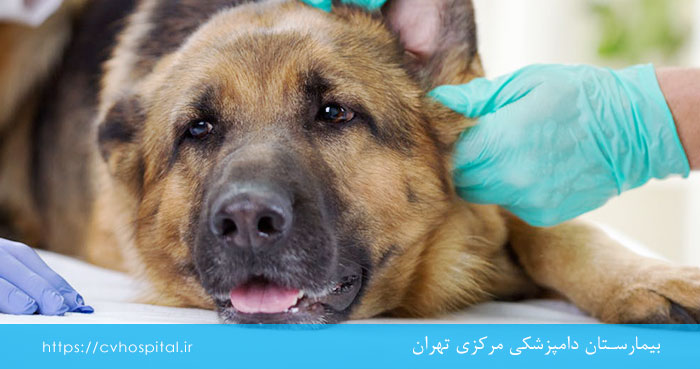
Leishmaniasis is one of the common diseases between dogs and humans. Dogs show more of the mixed form, which is a combination of cutaneous and visceral forms. These forms are accompanied by very diverse symptoms that complicate the diagnosis of the disease.
What are the Symptoms of Leishmaniasis?
Skin symptoms of leishmaniasis often appear in areas where the sandfly has bitten and include:
- Open sores on the skin
- Nasal congestion and discharge
- Nosebleeds
- Difficulty swallowing
- Sores in the mouth, tongue, gums, lips, and nasal cavity
In the visceral form of the disease, symptoms vary depending on the age of the patient. In children, sudden onset of fever, cough, diarrhea, and vomiting is common. In adults, the disease usually starts with persistent fever (lasting between 2 weeks to 2 months) accompanied by general weakness, fatigue, and loss of appetite. As the disease progresses, the sense of weakness increases. Other signs of visceral leishmaniasis may include:
- Abdominal pain
- Prolonged fever
- Night sweats
- Peeling or darkening of the skin
- Hair thinning
- Weight loss
How is Leishmaniasis Diagnosed?
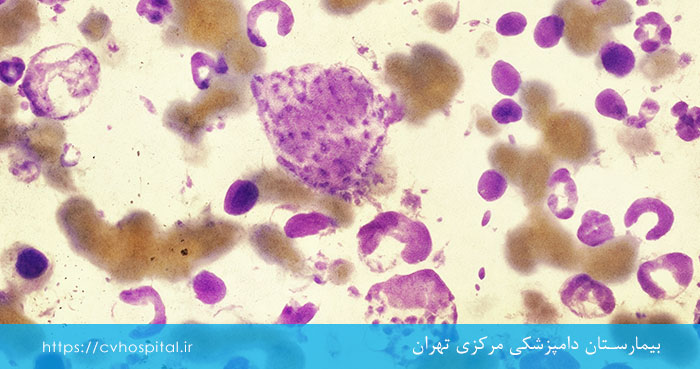
Diagnosing leishmaniasis is very difficult due to the diversity of its clinical symptoms. Laboratory techniques such as antibody measurement, molecular techniques, and tissue sampling are used to diagnose this disease. These methods provide accurate diagnosis due to their high precision.
Prevention of Leishmaniasis
A vaccine for leishmaniasis was not available until 2024, but effective leishmaniasis vaccines for dogs currently exist. In general, aside from the vaccine, prevention of leishmaniasis includes the following measures:
- Using insecticide-treated bed nets
- Using insecticides in the living environment
- Caring for pets and preventing their contact with sandflies
Prevalence and Spread of the Disease
Leishmaniasis is recognized as a common disease in tropical areas. However, this disease has also been reported in parts of Europe. In many countries around the world, effective control measures have succeeded in controlling this disease. Geographic conditions and effective control efforts in these countries have reduced the prevalence of leishmaniasis.

Leishmaniasis in Iran
Unfortunately, there is no precise policy for the prevention and control of this disease, especially controlling leishmaniasis in stray dogs in Iran. The lack of definitive guidelines from the Ministry of Health and Medical Education or the Veterinary Organization has posed many challenges for veterinarians in controlling and treating this disease.
Leishmaniasis Treatment
Infected dogs with leishmaniasis have a very long treatment duration. In fact, the disease
Leishmaniasis is an incurable disease and the only treatment provided for animals alleviates the clinical symptoms of the disease. The veterinarian decides which treatment protocol to consider for the animal based on the grade or stage of the case. In countries where the disease is not endemic, guidelines are usually based on euthanasia or removal of infected animals. This measure is taken to prevent the spread of the disease. However, in countries where the disease is endemic, due to the infection of a large number of animals, treatment protocols are developed for these animals. Treatment includes quarantining the infected animal and periodically repeating antibody tests and molecular cell tests. Whenever a resurgence of the disease is detected in the animal, re-treatment is carried out.  What is Leishmania treatment?
Responsibilities of Veterinarians and Animal Caretakers
Veterinarians should consider appropriate treatment protocols for animals affected by leishmaniasis based on the grade or stage of the case. These protocols include quarantining the animal and conducting periodic tests to detect any resurgence of the disease. Animal caretakers must also be aware that the treatment duration for leishmaniasis is very long. Affected animals must be quarantined for life and periodically monitored by a veterinarian. In case of suspicious symptoms of leishmaniasis, transfer the animal as soon as possible to a veterinary hospital to take necessary measures to prevent the spread and outbreak of this disease.
Final Thoughts
Leishmaniasis is a major challenge in many countries around the world, especially Iran. The lack of definitive guidelines for controlling and treating this disease has posed many challenges for veterinarians and pet owners. By increasing awareness and implementing appropriate protocols, better control of this disease can be achieved. Attention to the prevention and control of leishmaniasis not only ensures the health of animals but also protects human health. Our colleagues at the Central Veterinary Hospital are ready to help dogs afflicted with leishmaniasis to endure less pain. If you encounter this disease, please contact the numbers listed on the website for guidance from our staff.
Frequently Asked Questions
Does leishmaniasis transfer from animals to humans?
Yes, leishmaniasis is a zoonotic disease, but it does not directly transfer from animals to humans; it is only transmitted through the bite of an infected sandfly. Is there a cure for leishmaniasis?
In many cases, a complete cure is not possible. With anti-parasitic medications, symptoms can be controlled and quality of life maintained, especially if the disease is diagnosed early. What are the anti-leishmania drugs?Anti-leishmaniasis medication varies based on the type and severity of the disease.Some common medications for treating leishmaniasis include: amphotericin B, sodium stibogluconate, miltefosine, and paromomycin. Is cutaneous leishmaniasis the same as leishmaniasis?
Cutaneous leishmaniasis is a type of leishmaniasis characterized by skin lesions.