







Iguana or Green iguana is one of the exotic or unusual pets that requires care and attention to adapt to your home. Considering that the original habitat of this animal is tropical areas, keeping it requires a lot of time and attention. These creatures have special dietary and housing needs, and if well cared for, they can grow significantly and become very strong. Additionally, taming these reptiles may be difficult, and if not handled properly, they may show aggressive behavior. Therefore, if you decide to keep an iguana as a pet, there are several factors to consider.
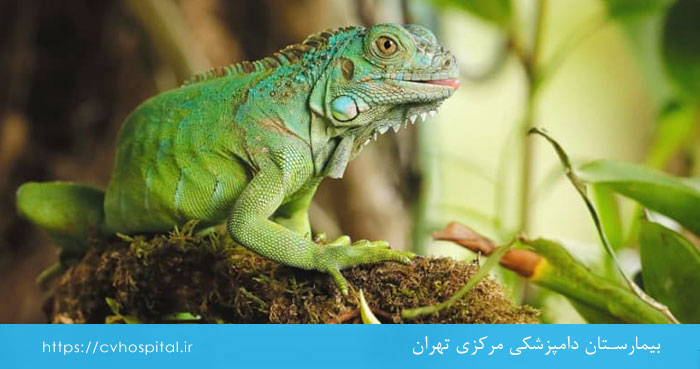
Types of Iguana Breeds in the World
Various breeds of iguanas live around the world. These reptiles exist in different sizes and colors to adapt to various climates, and each of them has specific names. Here are a few of them:
- Green iguana
- Desert or Cactus iguana
- Rhinoceros iguana
- Cuban rock iguana
- Fiji banded or striped iguana (Brachylophus)
- Jewel iguana
- Red iguana
- Albino T positive iguana
- Albino T negative iguana
- Snow iguana
- Costa Rican red iguana
- Mexican orange iguana
- Central American white-throated iguana
- Blue or turquoise iguana
- Chuchuwa iguana (Saurumalos)
- Blue Cayman iguana
- Spikey-tailed iguana
- Hispaniolan horned or rhinoceros iguana
Behavior and Temperament of Iguanas
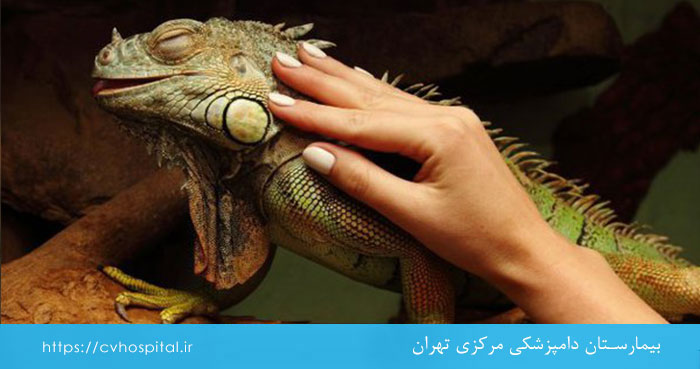
One of the points to consider when keeping a green iguana at home are its behavioral traits as an exotic animal. You must know how this particular animal reacts in different situations and how it will behave in your home. When keeping an iguana as an exotic pet, it is important to understand that this animal is not domesticated and tends to try to escape your home.
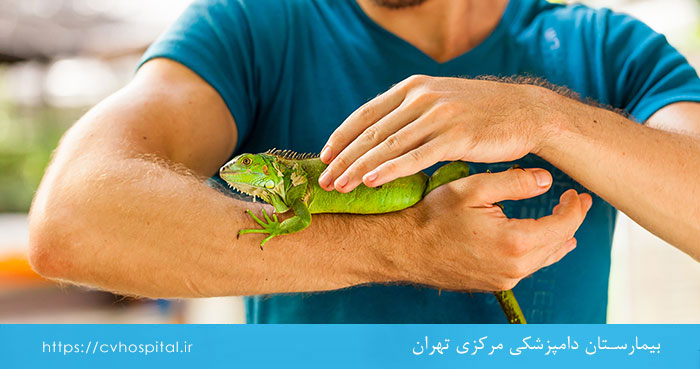
Therefore, handling an iguana is not like handling non-exotic pets like dogs and cats, which is why adopting an iguana and taming it comes with challenges. To gain the trust of these large pet lizards and help them feel comfortable in their environment, you need to regularly hold and handle them. This can be challenging as these special reptiles often find human interaction unusual and may resist. Therefore, you need to approach them with care and gentleness. Some of these exotic reptiles enjoy climbing on human bodies, so if your pet likes to do this, be sure to wear protective clothing. The tail of an adult iguana is strong enough to break a human bone. Pay attention to any signs of resistance or aggression when handling them, especially if children or other pets are present.
Common Health Problems of Green Iguanas
Regarding iguana pet diseases, like most pet reptiles, this creature also carries Salmonella bacteria in its digestive system. Therefore, wash your hands well before and after spending time with this animal, and avoid touching your face. If you have small children, elderly people, pregnant women, or individuals with weak immune systems at home, take specific precautions. These exotic creatures can be tamed with adequate daily care, but they have a self-defense instinct and may bite, scratch, or whip with their tails if they feel threatened. Kidney disease, which is often caused by dehydration, is a common health problem for these reptiles. If your pet is lethargic, has a swollen body, and is drinking or urinating frequently, take it to the veterinarian immediately.
Iguana Diet
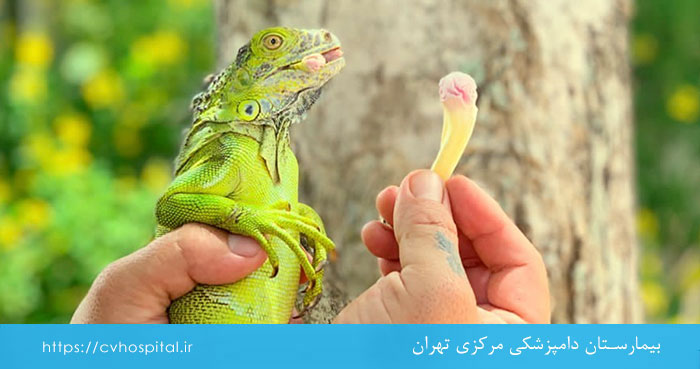
One of the essential conditions for keeping an iguana as a pet at home is paying attention to its nutrition. Regarding the appropriate diet for green iguanas, it should be stated that this reptile is entirely herbivorous and should be fed daily with leaves, buds, flowers, and fruits of various trees. This creature has a very strong digestive system and can ferment many tree leaves. Feeding iguanas fresh food is crucial for their health. A high-protein diet can lead to health problems such as kidney failure. These lizards are strict herbivores in the wild and avoid eating animal protein, even insects. In addition to high-quality commercial food, provide them with some fruits and calcium supplements. Additionally, these creatures require constant access to fresh water. To maintain a healthy weight, follow your veterinarian’s recommendations regarding nutrition. Since these reptiles swallow their food without chewing, make sure to cut or shred everything into small pieces when feeding the iguana.
Housing for Green Iguanas
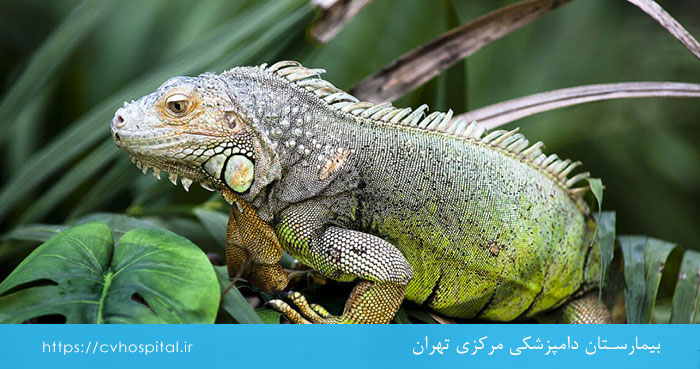
The green iguana is one of the beautiful reptiles, known for its green color and regarded as an exotic pet. The conditions for keeping this creature are very important; if the necessary conditions are not provided, the life of this reptile may be at risk. One critical condition for this animal’s life is the terrarium; that is, you need to provide a glass enclosure with suitable warmth and substrate for its living environment. The iguana’s natural habitat is in trees, and the terrarium we create for it should have trees for climbing. These creatures, including their tail length, can grow up to about 215 centimeters and generally around “`
9 kilograms in weight. Therefore, a suitable cage for a single iguana should be approximately 366 centimeters long, 183 centimeters wide, and 244 centimeters high. In terms of temperature, the habitat of this reptile should be 28 degrees during the day. At night, the temperature should be lower, reaching between 22 to 24 degrees Celsius. To provide adequate light, use UVB lamps for reptiles for 10 to 12 hours a day. Mercury vapor lamps are suitable for larger enclosures or rooms. Large branches and shelves in the enclosure allow the animal to rest under these lamps. To ensure that these lamps provide enough light, replace them every 6 months. These large lizards require a minimum humidity of 70 percent in their environment. You can increase the humidity for the iguana by adding a water bowl to the enclosure or using a misting system. It is generally recommended to mist them twice a day to maintain humidity and skin health..
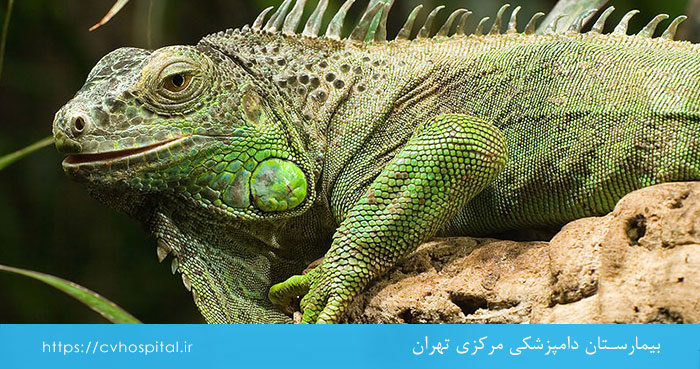
If you do not provide these conditions for the iguana, this reptile will suffer from metabolic diseases, will not undergo proper shedding, and may ultimately develop respiratory, bone diseases, and types of anemia in pets; therefore, it is necessary to gather information about the care conditions before adopting reptiles as pets.
Advantages and Disadvantages of Keeping Iguanas at Home
Here are some advantages and disadvantages you should consider before keeping an iguana at home.
Advantages of Keeping Iguanas at Home
Longevity of Iguanas: If well cared for, these green reptiles can easily live for over 20 years. With proper care, there is no reason they cannot live this long. Relatively Simple Diet: These exotic reptiles feed on leaves, fruits, flowers, and vegetables in the wild, and this plant-based diet should be replicated in the iguana’s enclosure. These animals do not drink much water in nature, as the vegetables they consume and the humidity in their environment keep them hydrated. We recommend consulting a veterinarian regarding the dietary needs of iguanas.
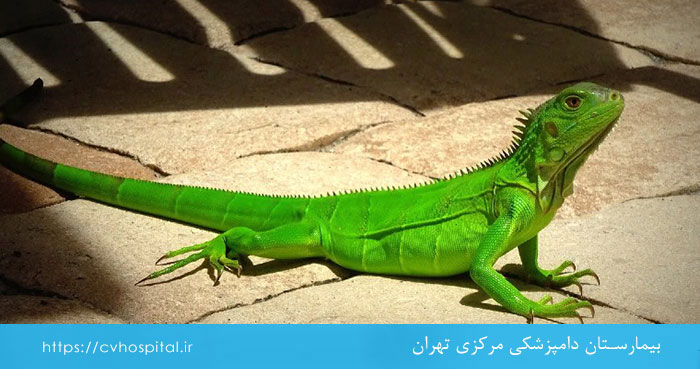
Daily Activity: If you enjoy watching these lizards, it is best that they are awake while you are awake. Iguanas are diurnal creatures, meaning they wake up with the sunrise. In the wild, they can be seen basking on tree branches.
Disadvantages of Keeping Iguanas as Pets
High Maintenance Costs: One of the disadvantages of keeping a green iguana at home is that these reptiles require specific living conditions to ensure a long life and good health. They need a large terrarium that can accommodate their final size and provide suitable light, humidity, and temperature conditions. Additionally, there are also expensive visits to specialized exotic veterinarians.
If you think you cannot care for an iguana for the next 20 years, it is better to adopt another pet. Difficulty in Training Iguanas: It may take years to tame an iguana. If you do not have enough patience for training an iguana over such a long period, there are other more domesticated lizard options available.
Hand feeding them is also a solution; this way, they will understand that you do not intend to harm them. Unsuitable for Children: These lizards have powerful jaws and can bite if they feel threatened. Quick or unexpected movements can scare this reptile. If it feels threatened and decides to attack, its powerful tail can cause significant damage. Therefore, if you have very young children, it is better to refrain from keeping an iguana as a pet for now.
Is Caring for a Green House Iguana Dangerous?
As previously mentioned, this reptile is not a suitable pet for most people. Unfortunately, many caregivers do not realize that keeping this animal can be potentially dangerous for humans and the animal itself. Here are some risks of keeping an iguana as a pet. Salmonella and Iguana Allergies: You can get salmonella from touching and being close to iguanas. This is especially dangerous if children live in your home.
Some people are also allergic to reptiles, including iguanas. This can cause symptoms such as asthma attacks, eye irritation, and skin rashes. However, since these creatures are usually not close to humans, you may not realize you have a reptile allergy until one is purchased.
Aggressiveness of Iguanas: These lizards are large animals that can easily hurt you if they become aggressive. While many owners are confident that this will never happen, these reptiles can become aggressive under various conditions. For example, children who touch this animal can easily provoke its violent reaction. Iguana Diseases: Among the risks facing pet iguanas is their vulnerability to several diseases. Care mistakes can lead to thermal burns, dehydration, and parasites. Most pet iguanas die due to issues related to improper care, so make sure you are well-informed before bringing an iguana into your home.
Health Care for Pet Green Iguanas
A green iguana pet requires health care and you should pay attention to these points when caring for it. Therefore, it is necessary to clean the iguana terrarium periodically. Pay attention to the periodic care of this animal and take it every few months for various examinations to the veterinary hospital. This animal should be examined
Physical examinations should be conducted, and the symptoms of diseases and various issues should be assessed by a specialized veterinarian. It is also necessary to talk to your veterinarian about the presence of a guardian during the treatment of your pet so that, if necessary, you can have an active presence at the veterinary clinic. To keep the iguana’s living space clean, you should dispose of any leftover food daily and remove any droppings, shed skin, and other waste from the iguana’s environment. Also, thoroughly wash and clean its food and water dishes.
To completely clean the cage and terrarium of this pet, it should be moved to another location and its interior cleaned thoroughly. During each cleaning of the enclosure, dispose of the substrate and clean all surfaces, including branches, rocks, and other decorative elements. After that, wait for the cage to dry completely before returning the reptile to its terrarium.
Summary
Keeping an iguana at home requires following certain guidelines, and you should gather information about its living conditions and environment. This pet reptile should be placed in a cage with proper lighting at a temperature of 28 degrees.
It should be exposed to ultraviolet lamp light for at least 10 hours daily to absorb vitamin D and calcium. The diet of an iguana consists of leaves, shoots, fruits, flowers, and various parts of plants. If you keep an iguana as a pet, you must keep its living space clean and strive to have an effective relationship with the animal so that it trusts you and becomes a domesticated and tamed pet reptile. If you need to examine and treat various diseases of the iguana as a pet, visit the central veterinary hospital and discuss the health and treatment of this animal’s ailments with the specialized team.