


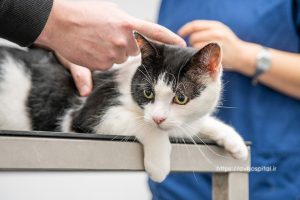


When your pet needs surgery, it can be a stressful experience. However, some fears about pet anesthesia are not based on reality. To learn about common misconceptions, refer to the article “Misconceptions About Anesthesia Pets”. However, there are still some risks and complications associated with it that need to be considered before anesthesia to increase the likelihood of a successful procedure. Following is an overview of the risks and complications of anesthesia for pet dogs and cats.
The Difference Between Risks and Complications of Pet Anesthesia
Before delving into specific issues, it’s important to understand the difference between risk and complication:
- Risks of anesthesia for pets: These are threats that may jeopardize the animal’s life during or immediately after anesthesia (such as cardiac arrest, severe allergic reactions, or sudden drops in blood pressure).
- Complications of anesthesia for pets: These are more temporary and common problems that usually appear after the end of anesthesia, such as confusion, shivering, loss of appetite, or constipation.
What Are the Risks of Pet Anesthesia?
The risks of putting dogs and cats under anesthesia must always be evaluated alongside its benefits, and the pros and cons of any alternative to anesthesia should also be considered. The dangers of anesthesia for cats and dogs can range from minor issues, such as mild nausea upon waking, to serious and life-threatening problems, such as cardiac arrest or stroke. Of course, death resulting from anesthesia is rare. The veterinary team takes all necessary precautions to ensure that your pet is in a safe condition and can tolerate anesthesia (we discussed this thoroughly in our article on Safe Anesthesia For Pets). In cases where surgery is elective, there is more time to postpone anesthesia and treat risk factors before proceeding with anesthesia and the procedure.
Anesthesia is considered “high risk” when your animal has health problems that increase the risk of life-threatening factors during anesthesia. This does not mean that these factors will definitely occur, but the likelihood of their occurrence is higher. If your veterinarian considers your animal “high risk,” they will try their best to manage that risk. However, you should be prepared for the possibility that despite all efforts, your animal may encounter serious issues or even lose its life. Some anesthesia risks for cats and dogs include:
1. Hypotension
One of the most common risks of anesthesia for dogs and cats is sudden drops in blood pressure, which can reduce blood flow to vital organs such as the brain, kidneys, and liver. In fact, some anesthetic drugs can cause low blood pressure. In inhalation anesthesia, depending on the dosage, there may be reduced muscle contractility of the heart and increased vascular wall resistance.
- There are various management strategies for hypotension in dogs and cats that need to be carried out urgently.
2. Respiratory Issues During Anesthesia
Most respiratory disturbances during surgery are related to anesthetic drugs. However, underlying conditions such as tracheal collapse, rib fractures, pulmonary edema, or obesity may also cause problems.
Anesthetics like propofol and opioids used to induce anesthesia can cause respiratory complications depending on the dosage administered. Therefore, careful monitoring of the frequency and quality of the patient’s breathing during anesthesia is essential.
3. Arrhythmia and Changes in Heart Rate During Anesthesia
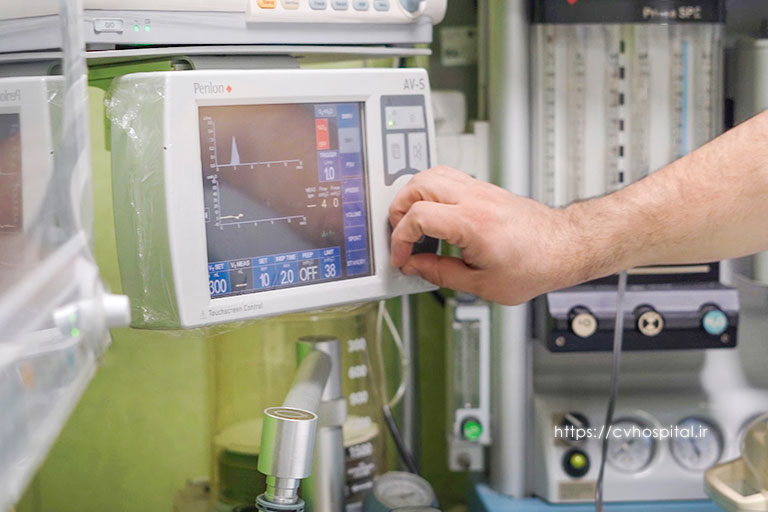
Another common problem during anesthesia is the development of arrhythmias (irregular heartbeats). This condition can be detected by auscultation, using a pulse oximeter, or an electrocardiogram (ECG).
The normal heart rate varies depending on the species and breed of the animal:
- In large breed dogs: less than 50 beats per minute
- In small breed dogs: less than 70 beats per minute
- In cats: less than 100 beats per minute
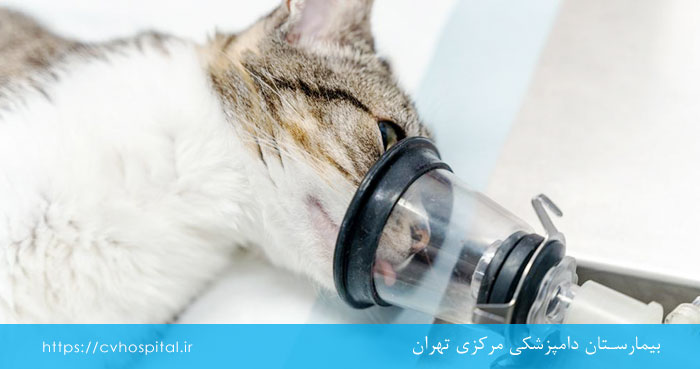
Bradycardia (Low Heart Rate)
If the cause of bradycardia is solely due to high depth of anesthesia, usually no immediate action is needed and it is sufficient to monitor blood pressure and body temperature. However, sometimes factors such as the insertion of a breathing tube into the trachea or metabolic disorders can lead to a decrease in heart rate that requires assessment and intervention.
Tachycardia (Increased Heart Rate)
Some patients may experience unexpected increases in heart rate during recovery from anesthesia. This situation may be due to pain, hidden cardiac disorders, or shallow anesthesia. For example, if the patient is in pain, administering pain medication can help bring the heart rate back to a more normal level.
4. Decrease in Body Temperature During Anesthesia
One of the significant challenges in managing anesthesia for pets, especially dogs and cats, is the drop in body temperature during surgery. Some anesthetic drugs lower metabolism by vasodilating and reducing blood pressure, leading to a decrease in body temperature.
Additionally, other factors such as shaving the body for surgery, using disinfectants, administering fluids, and exposing internal cavities also contribute to the drop in body temperature.
It should be noted that a drop in body temperature is a natural response during anesthesia, but it can disrupt immune function and the clotting process. Furthermore, as the temperature decreases, the body’s need for medication to maintain anesthesia decreases. This situation is usually accompanied by low blood pressure and decreased heart rate. In such conditions, using drugs to correct bradycardia (low heart rate) often…
undefined
The blood oxygen level during anesthesia and the recovery period is very important, and the animal should not be left unattended at any stage. For more information, read the comprehensive guide on anesthesia animals domestic and ask your treating veterinarian for necessary instructions.
4. Post-Anesthesia Care
For several hours after the procedure, the animal should be monitored in a calm and warm environment. Moreover, post-anesthesia care plays an important role in reducing risks and complications, and neglecting the veterinarian’s instructions may lead to complications after anesthesia for the animal. In the article care post-anesthesia for animals we thoroughly discussed this issue.
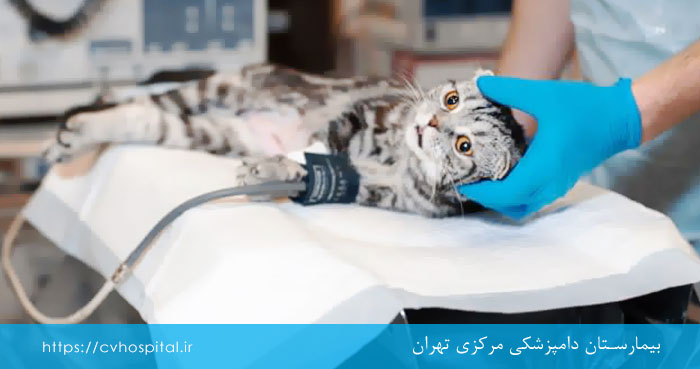
Complications of Anesthesia in Domestic Animals
In the hours and days following anesthesia, symptoms may appear that are usually temporary and manageable. Some complications of anesthesia in dogs and cats include:
- Tremors and Lack of Coordination Some animals may experience shivers or unsteady walking after waking from anesthesia. This condition usually improves within a few hours to a day.
- Anorexia or Nausea Eating disorders are one of the complications of anesthesia in cats and dogs and are quite common. Loss of appetite, nausea, or even mild vomiting may be observed in the initial hours. If the animal does not eat for 24 hours or if nausea persists, a consultation with the veterinarian is recommended.
- Swelling or Redness at the Surgical Site Another complication of anesthesia in domestic pets is mild swelling at the stitch site. This swelling is normal, but if it increases, is warm, discharges fluids, or has a foul smell, it must be taken seriously.
- Constipation or Changes in Defecation Constipation and difficulty defecating are also considered complications of anesthesia in dogs and cats. Anesthetic drugs may disrupt bowel function for a period of time. If the animal does not have a bowel movement within 48 hours, a visit to the veterinarian is advisable.
When to See the Veterinarian?
Some complications of anesthesia in cats and dogs resolve within several hours, but if any of the following issues persist, an urgent visit to the veterinarian is necessary:
- Severe or Frequent Vomiting
- Persistent Fever or Shivering
- Extreme Fatigue and Lethargy
- Bleeding or Abnormal Discharge from the Stitch Site
- Difficult or Abnormal Breathing
- No Urination or Defecation
Quick Review
Anesthesia for domestic animals is safe and necessary in many cases, but it sometimes carries risks and complications. With awareness, necessary tests, appropriate facility selection, and sufficient care, the risks and complications of domestic animal anesthesia can be significantly managed. Close collaboration with the veterinarian and discussing all concerns and questions is key to your peace of mind and the health of your beloved animal. For consultation and information or to book an appointment, contact the central veterinary hospital using the numbers on the website so that our colleagues in the surgery of animals can further assist you.
Frequently Asked Questions
Is anesthesia safe for pets? In most cases, anesthesia is safe for pets, especially if the animal is healthy and pre-operative tests have been conducted. However, like any other medical process, anesthesia also carries risks that can be minimized with professional care and the selection of appropriate medications. The use of precise monitoring and new anesthetic drugs has significantly reduced the likelihood of complications.
What factors can make anesthesia dangerous for a dog or cat? Advanced age, specific breeds (such as brachycephalic breeds), obesity or severe thinness, heart, kidney, or liver diseases, and not conducting pre-operative tests are factors that increase the risk of anesthesia in pets. The veterinarian will consider these factors and adjust the anesthesia plan to minimize the risk.
What care should be taken to reduce complications from anesthesia in pets? After anesthesia, the pet may be lethargic, have a lack of appetite, or experience tremors for a few hours. To minimize complications from anesthesia in dogs and cats, keep them in a calm, warm, and stress-free environment. Avoid heavy feeding or intense activity for several hours. If unusual symptoms such as severe lethargy, difficulty breathing, or vomiting persist, contact the veterinarian immediately.