



This dog brushing guide helps you find the right brush and grooming routine for your pet. The owners of dogs usually do not know that a pug should not be groomed like a poodle. Or that brushes suitable for a boxer are different from those for a Pomeranian. In fact, all brushes and grooming methods for dogs are not made the same way. Grooming a dog depends on the type of coat (hair) and requires different tools, techniques, and frequencies. It is important to do it correctly, as it prevents matting, hair dullness, and skin problems. The following sections discuss the types of dog coats, famous breeds of each type, the appropriate brush for each type of hair, and the correct timing and method for grooming.
Best brushes and methods for your dog’s coat type
Using the wrong brush can damage your dog’s coat or cause tangles and skin irritation. In all cases, brush in the direction of hair growth. 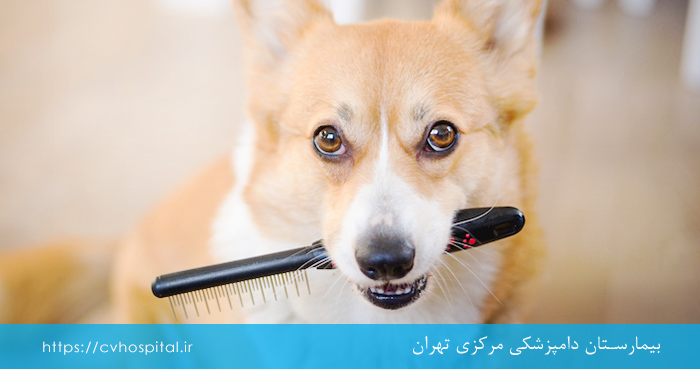
Short and straight-haired dogs
Common breeds: Bulldog, German Shorthaired Pointer, Short-haired Dachshund, Boxer, Great Dane For these dogs, use a rubber brush once a week and apply moderate to strong pressure on the body surface. If your dog is shedding, you can use a shedding tool at most once a week, applying gentle pressure and short strokes; do not brush any area more than 3 times to avoid bald spots or inflammation.
Dogs with short or medium double coats
Common breeds: Labrador Retriever, Pug, German Shepherd, Corgi, Husky For the outer layer, use a rubber brush once a week (or even daily). For medium coats, start with a slicker brush with moderate pressure in the direction of hair growth. To reduce shedding, you can use a metal comb or an undercoat rake and cautiously brush through the hair. During heavy shedding periods, use a shedding tool at most once a week with light pressure.
Dogs with long double coats
Common breeds: Golden Retriever, Australian Shepherd, Pomeranian, Bernese Mountain Dog, Border Collie These coats shed heavily and easily tangle. Use a slicker brush several times a week to separate the undercoat and prevent tangling.
Once a week (or more during shedding season), use an undercoat brush to remove the underlayer. A dematting brush is useful for areas that brushes or combs can’t detangle, but be sure to keep a comb between the skin and the tool to avoid harming the skin.
Dogs with curly or wavy hair
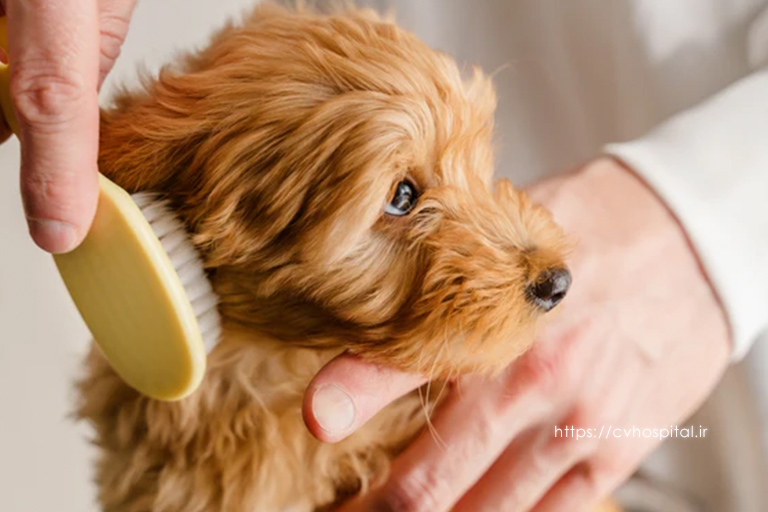
Common breeds: Poodle, Bichon Frise, Portuguese Water Dog, Havanese, Goldendoodle This type of hair is highly prone to tangling and should be brushed daily unless you keep the hair short. Start with a slicker brush and then check the hair with a metal comb. Start from the feet and, by lifting each section of hair, brush underneath it. Continue this process gradually up the body. Then use a metal comb to find tangles. For tangles that do not come out, use a dematting tool, but do so very carefully. If the knot is close to the skin, have a professional groomer handle it. 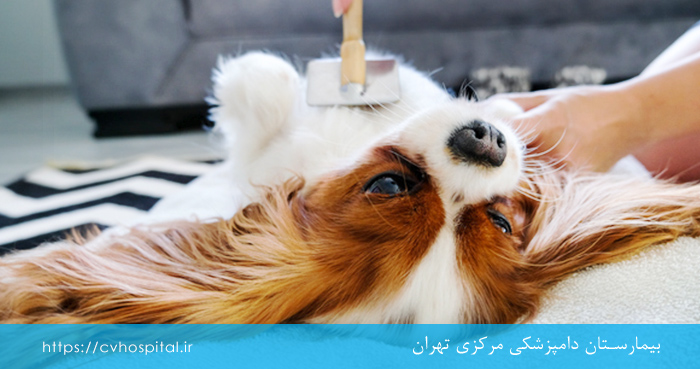
Dogs with straight coats
Common breeds: Yorkshire Terrier, Miniature Schnauzer, Shih Tzu, Havanese, Maltese Whether the hair is fine or thick, brushing these coats is challenging. If the hair is kept short, use a slicker brush with moderate pressure several times a week and ensure that the brush reaches the skin. If the hair is long, use pin brushes and section the hair from the legs upwards. Holding the hair while brushing prevents the skin from being pulled. At the end, check with a metal comb to ensure all tangles are out.
Dogs with rough (wire) coats
Common breeds: Wirehaired Dachshund, Miniature Schnauzer, West Highland Terrier, Cairn Terrier, Airedale Brush dogs with rough coats about once a week. Start with a slicker brush with gentle pressure, then groom with a metal comb. 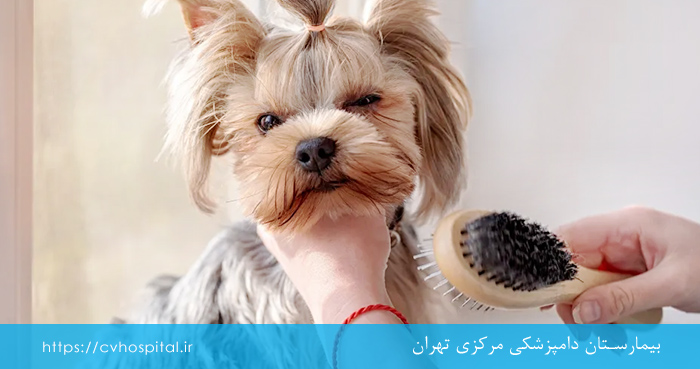
When should I groom my dog?
- Before and after a bath: Water can make tangles worse. Always untangle before the bath. Brush again after drying.
- Shedding season (spring and fall): During this time, grooming is essential. Use a rubber brush or slicker daily and use a shedding tool once a week.
Why is brushing important for dogs?
Brushing offers many benefits for dogs:
- Prevention of painful tangles
- Reduction of shedding
- Early detection of lumps, parasites, or skin issues
- Maintaining a neat and clean appearance for the dog
- Strengthening the bond between you and your dog
How to keep a dog calm during grooming?
Some dogs initially do not like brushing. Start slowly and use treats. Let the dog sniff the brush first and then offer a treat. Do a few brush strokes and reward again. Gradually increase the grooming time. At the end, use a large treat like a chew bone.
Conclusion
Grooming not only contributes to the skin and coat health of the dog but can also turn into a pleasant experience for the animal and its caregiver. If you have difficulty, seek help from a professional groomer. Remember: the best method is the one that works for you and your dog.
Frequently Asked Questions
How often should I brush my dog’s hair per week? It depends on the breed, but most breeds need grooming at least once a week.
Can I brush my dog’s wet hair in the bath? No, brush when the hair is dry before and after bathing.
What is the best type of brush for brushing a dog’s hair? It depends on the type.
The breed and hair of the dog. For more information, refer to the article text.
Should dog hair be brushed during shedding season, or is it unnecessary? Yes, brushing a dog’s hair during shedding season is extremely important.
Does brushing reduce shedding in the house? Yes, one of the benefits of brushing is that the dog’s hair sheds less in the house.
Source: chewy