





Autoimmune diseases are among the most challenging disorders in veterinary medicine that can severely threaten the health of cats. In these diseases, the immune system mistakenly attacks the body’s own tissues instead of defending it. One rare but significant type of these diseases is feline autoimmune skin disease, which manifests with sores, inflammation, scabs, and skin changes. Timely diagnosis and treatment play a key role in controlling it. This article discusses the causes, types, diagnostic methods, treatments, and essential care for autoimmune skin diseases in cats.
Definition of Autoimmune Disease
The body has an immune system that protects against harmful external factors. However, in autoimmune diseases, the immune system erroneously attacks the healthy cells of the body, leading to serious illnesses. In this case, immune cells are unable to distinguish self-cells from foreign ones and damage healthy tissues. The exact cause of this disorder is still unclear. Autoimmune diseases may involve only one system or several body systems, including: skin, connective tissue, nerves, muscles, endocrine system, blood cells, and gastrointestinal tract. 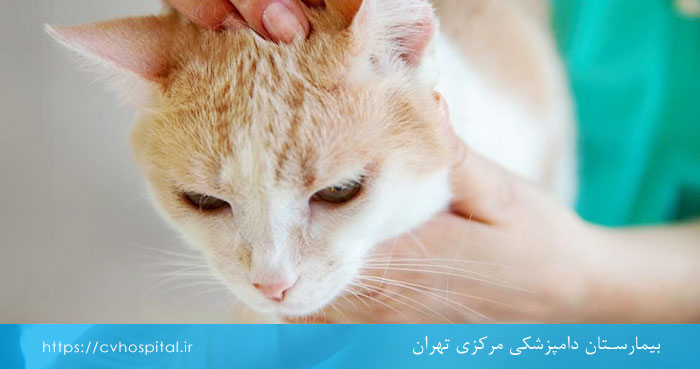
What Causes Autoimmune Diseases?
The precise cause of these diseases is unknown, but genetic and environmental factors, such as allergens or pollutants, may play a role. Additionally, certain medications may trigger a type of autoimmune skin disease called pemphigus foliaceus in cats. Early diagnosis is crucial; if left untreated, serious complications and involvement of multiple body systems may occur. Cats with these types of diseases typically should not be vaccinated, except in specific circumstances.
Common Types of Autoimmune Skin Diseases in Cats
Fortunately, these diseases are rare in cats, but some common types include:
1. Pemphigus Group
Diseases in which the immune system attacks the connections between skin cells. Variants include:
- Pemphigus foliaceus (PF): The most common type in cats. Sores and scabs appear around the eyes, ears, paws, groin, and nose. The nail beds may also be affected. It usually appears suddenly and can be drug-induced or chronic in some cases.
- Pemphigus vulgaris (PV): Rare in cats. Blisters appear around the mouth, eyelids, nose, anus, or genital area, turning into painful sores.
- Pemphigus erythmatosus (PE): Symptoms include redness, scabs, crusting, and hair loss on the nose. Sunlight exacerbates the symptoms.
- Pemphigus paraneoplastic (PNP): Occurs following malignant tumors and is rare and severe.
2. Bullous Pemphigoid
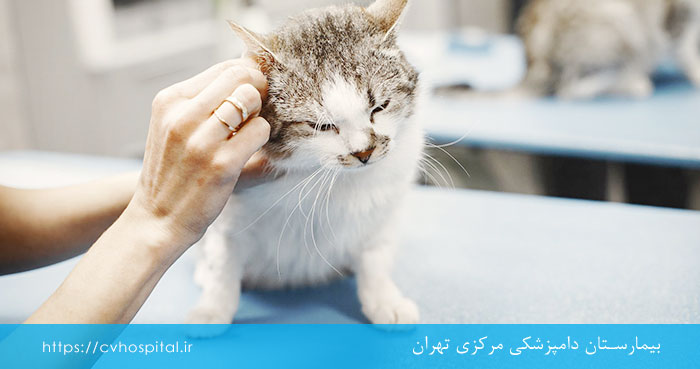
Appears similar to pemphigus but is a different type of autoimmune disease that attacks the junction between the epidermis and dermis. Fluid-filled blisters and sores appear in the mouth, under the armpits, and groin. It is rare but may spontaneously improve in some cases.
3. Systemic Lupus Erythematosus (SLE)
A multisystem disease that may involve any organ. Symptoms are variable and include persistent fever, intermittent lameness, anemia, reduced platelet or white blood cell count, and symmetric skin lesions (e.g., on the nose).
4. Discoid Lupus Erythematosus (DLE)
A type of lupus that affects the skin locally. Symptoms include loss of pigmentation on the lips, skin around the eyes, ears, or genital area. The nose may become flat and lose natural tissue. This type is usually benign. 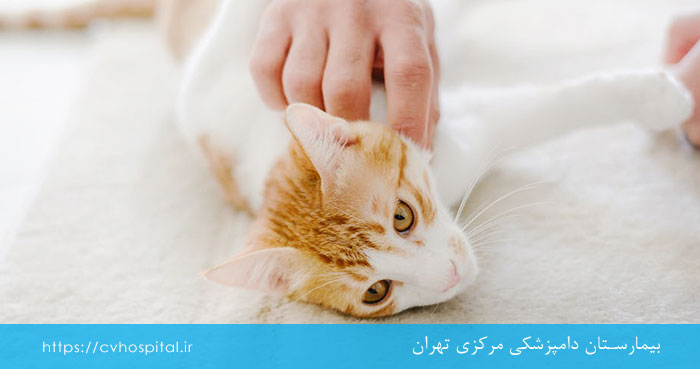
How is Autoimmune Skin Disease Diagnosed in Cats?
For a definitive diagnosis, a biopsy must be taken from the affected area. Depending on the lesion’s location, it may be done with local anesthesia or require sedation or general anesthesia. The sample is sent to a veterinary pathologist.
Is Autoimmune Skin Disease in Cats Contagious?
No, autoimmune skin diseases in cats are not contagious and cannot be transmitted from one cat to another or to humans. These diseases arise due to a dysfunction in the internal immune system, and there is no infectious or transmissible agent. Therefore, other pets or family members are not at risk of contracting the disease. However, care for the sick cat should be conducted carefully and according to the veterinarian’s recommendations to prevent secondary infections or worsening of symptoms.
How is Autoimmune Skin Disease Treated?
Treatment involves suppressing the immune system. Medications such as prednisone or dexamethasone are used. In more severe cases, stronger drugs like chlorambucil or cyclosporine are employed. If bacterial infections are present, antibiotics or topical treatments may also be necessary.
What is the Prognosis or Treatment Outlook?
The prognosis depends on the type and severity of the disease. These diseases can be life-threatening, but they are controllable with medication. In most cases, a complete cure is not possible, but disease management may be achievable. 
Key Points in Managing Autoimmune Skin Disease in Cats
- Regular Monitoring of Treatment: Continuous assessment of clinical symptoms and the cat’s response to medications is crucial for adjusting the appropriate dose.
- Periodic Blood Tests: To evaluate the function of organs such as the liver and kidneys, especially during long-term use of immunosuppressive medications.
- Avoiding Triggers: Keeping the cat away from direct sunlight, dust, pollutants, stress, and extreme environmental changes can help prevent symptom exacerbation.
- Maintaining Proper Nutrition: A high-quality and nutritious diet boosts the immune system and overall health.
- Environmental and Emotional Care: Providing a calm, stress-free environment filled with emotional support can assist in reducing disease fluctuations.
- Preparation for Long-Term Treatment: Many autoimmune diseases are chronic and require lifelong care.
Conclusion
Autoimmune skin diseases in cats are rare but potentially serious and require careful attention and ongoing monitoring. Although there is no definitive treatment for most of them, early diagnosis and proper management can control the disease and prevent its worsening. Sustained support for the cat and close collaboration with the veterinarian play a crucial role in maintaining the animal’s quality of life. Most importantly, the patience and attention of the cat owner can make a significant difference in the treatment and control of the disease. For more information and
For guidance on treatment options for autoimmune skin disease in cats, please contact our colleagues at the Central Veterinary Hospital using the numbers listed on the site.
Frequently Asked Questions
Is autoimmune skin disease in cats treatable? The disease typically does not have a definitive cure, but it can be managed with appropriate medications to maintain the cat’s quality of life.
Can cats with this disease be vaccinated? In most cases, no. Vaccination may exacerbate the immune response. It is performed only under specific conditions and with a veterinarian’s diagnosis.
What symptoms does autoimmune skin disease in cats have? The appearance of sores, scabs, changes in skin color, hair loss, limping, persistent fever, or sores around the mouth and paws should be evaluated immediately. Early diagnosis is very important.
Source: vca