


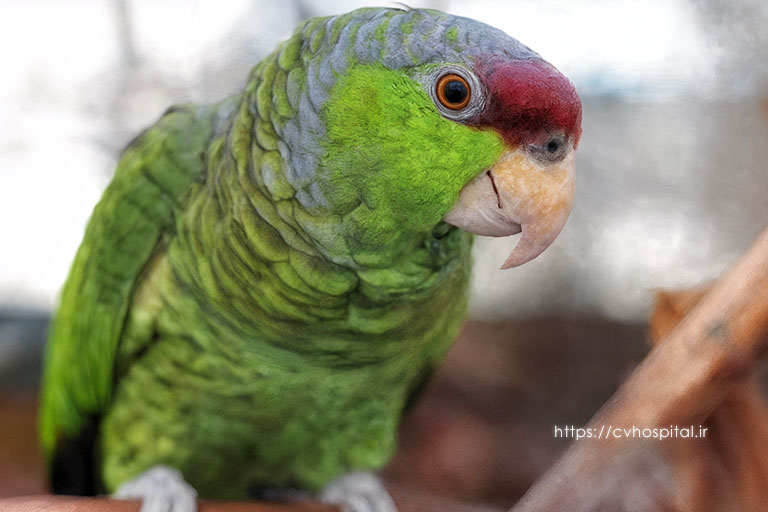



With the increase in the average age of pet birds, the incidence of cancers and tumors has also risen. Bird cancers include most sites and common types of cancer found in other pets. As birds inherently hide signs of illness, early detection of tumors is often challenging. These masses are usually not identified until the disease has progressed or the bird shows severe symptoms. Therefore, owner awareness of symptoms, types of masses, and treatment options is crucial. This article provides a comprehensive overview of the most common types of tumors and cancers in pet birds and helps you better understand these issues.
Types of Tumors and Cancers in Pet Birds
Cancers and tumors in birds may occur in internal organs such as: ovaries, testes, kidneys, liver, stomach (which is often not diagnosed until after the bird’s death), pancreas, intestines, heart, lungs, pituitary gland, thyroid gland, muscles, and bones. To treat these cancers, surgery and chemotherapy have been used; the success of treatment depends on the location and extent of tumor spread.
Skin Cancers in Birds
Squamous Cell Carcinoma is the most common type of skin cancer in birds. This type of cancer typically occurs in the following areas:
- Around the eyes and beak
- Wing tips
- Toes
In some cases, radiation therapy has been successfully used to treat these cancers. Additionally, fibrosarcomas may appear as red spots on the skin.
Lipoma or Fat Tumor
Lipomas are benign fat tumors that are most commonly seen in budgerigars. They usually form in the keel area or chest and do not require surgery unless they become large enough to cause discomfort to the bird.
Xanthoma or Yellow Fat Mass
Xanthomas are yellow masses that form under the skin but are not true tumors (neoplasms). Common areas include:
- Wing tips
- Keel area
- Chest
Xanthomas are seen in many bird species, but are especially common in cockatiels and budgerigars. The exact cause is not clear, however, dietary changes, especially increasing vitamin A or its precursors like beta-carotene may be effective. In advanced cases, surgery may be an option for treatment. Xanthomas are also benign, but as they grow larger, they may ulcerate and bleed.
Lymphoma
Lymphoma is one of the most common cancers in pet birds, similar to other pets. It typically occurs in multiple tissues, especially the liver, spleen, and kidneys. For lymphoma in birds, radiation therapy and chemotherapy have been used and have been successful in some cases.
Pituitary Adenomas
These tumors are more commonly observed in budgerigars and cockatiels. Their symptoms usually appear suddenly in the nervous system, including:
- Sudden blindness
- Seizures
- Muscle spasms
Affected birds may also exhibit symptoms related to pituitary hormones, such as:
- Excessive thirst
- Increased urination
If your bird exhibits behavioral changes, abnormal lump growths, or neurological or gastrointestinal symptoms, this may indicate the presence of a tumor or cancer.
Key Points
- The aging of pet birds has led to a higher prevalence of tumors and cancers among them.
- Tumors may be internal (liver, kidneys, stomach, ovaries, etc.) or cutaneous.
- Early diagnosis is difficult because birds hide signs of illness.
- Surgery and chemotherapy are the primary treatment options for internal cancers.
- Squamous cell carcinoma is the most common skin cancer in birds and can be treated with radiation therapy.
- Lipoma (benign fat tumor) is common in budgerigars, usually requiring no treatment unless large.
- Xanthomas are yellow fat masses seen predominantly in cockatiels and budgerigars.
- Dietary modifications (increased vitamin A) may be effective in treating xanthomas.
- Lymphoma is the most common malignant tumor in birds and requires specialized treatment.
- Pituitary adenomas cause sudden neurological symptoms such as blindness or seizures.
- Behavioral changes, lethargy, decreased appetite, or the presence of lumps under the skin are warning signs.
- Regular check-ups by an avian veterinarian are recommended.
- Early treatment can prevent severe complications.
- Even benign masses may require intervention if they grow large.
- Birds also require professional and specialized care like other pets.
- Prompt veterinary visits at the appearance of symptoms are key to saving the bird’s life.
Summary
With the increase in lifespan of pet birds, diseases such as cancers and tumors are observed more frequently than before. These tumors can be internal or cutaneous, benign or malignant. Internal masses are often found in organs like the liver, kidneys, stomach, or reproductive system and are usually difficult to diagnose. In these cases, treatments like surgery and chemotherapy are utilized. Among skin tumors, squamous cell carcinoma is the most common type, affecting sensitive areas of the bird’s body such as around the eyes or beak. Furthermore, lipomas and xanthomas are common fat masses that are usually benign but may require treatment if they grow significantly. Lymphomas and pituitary adenomas are among the most serious types of tumors in birds that can produce systemic and neurological symptoms. An important point is that birds reveal signs of illness late, so early detection through regular examinations and careful observation of bird behavior is vital. Timely treatment can prevent disease progression and maintain the quality of life for the bird. For accurate diagnosis, specialized evaluation, and timely treatment, visit the Central Veterinary Hospital.
Frequently Asked Questions
How can I tell if my bird has a tumor?
Possible symptoms include the growth of a lump or bump on the body, weight loss, changes in behavior, lethargy, difficulty flying or standing, or neurological signs such as seizures or sudden blindness. In many cases, , tumors are internal and can only be diagnosed through a veterinary examination and imaging.
Are all tumors in birds dangerous?
No, some tumors such as lipomas and xanthomas are benign and not necessarily dangerous unless they grow significantly and cause discomfort. However, malignant tumors like lymphoma or skin cancers require immediate treatment.
Is it possible to treat cancer in birds?
Yes, depending on the type and location of the tumor, surgery, chemotherapy, or radiation therapy can be used. Although treating birds is more complex than treating dogs or cats, early diagnosis significantly increases the chances of successful treatment.
Source: msdvetmanual