





Dog pregnancy length is typically about 63 days, but care and observation are key. Pregnancy in dogs can be an exciting yet challenging experience for the pet owner. If your female dog has mated and is suspected to be pregnant, it is important to be well acquainted with the symptoms, stages, nutritional needs, and special care during pregnancy to ensure the health of the mother and the puppies.
Duration of Pregnancy in Dogs
How long does a dog’s pregnancy last and when can pregnancy be detected? In response, we can say that pregnancy in dogs typically lasts about 9 weeks (63 days). You will learn about the signs, methods of detection, and other important tips below. 
Signs of Pregnancy in Dogs by Week
Understanding weekly changes can help with early detection and better care:
- Week 1 to 2: No significant changes are observed. There may be decreased appetite or slight lethargy.
- Week 3 to 4: Mild swelling in the breasts, morning sickness, lethargy, and a tendency to sleep more may appear.
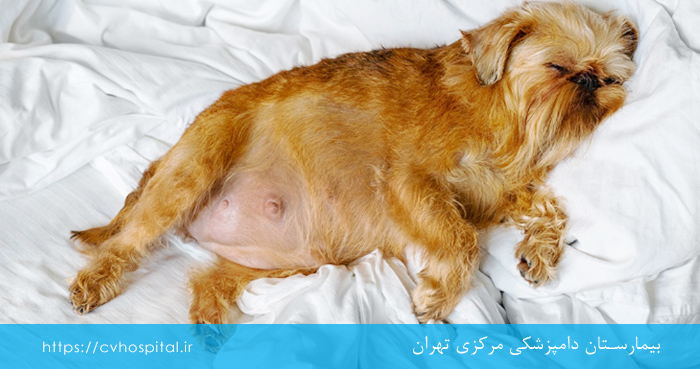
- Week 5 to 6: The abdomen gradually swells, appetite increases, and the breasts become noticeably larger.
- Week 7 to 8: The dog may seek quiet places to give birth. Movements of the puppies can be felt through the abdomen.
- Week 9: The dog becomes restless, body temperature drops slightly, and may start nesting.
Pregnancy Diagnosis in Dogs
Diagnosing pregnancy in dogs in the early stages is usually not straightforward. Dogs do not exhibit clear external signs like humans, and may not show visible signs until the fourth or fifth week. Methods of diagnosing pregnancy include:
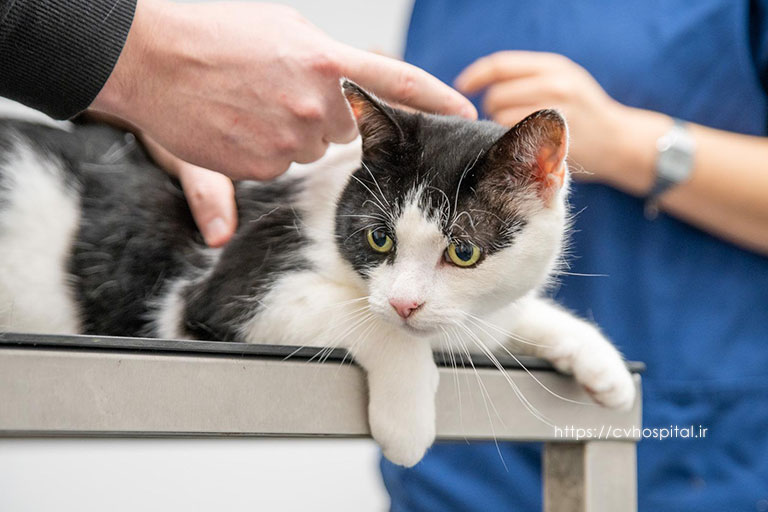
- Veterinary examination: The vet may feel the presence of puppies by palpating the abdomen around the third to fourth week.
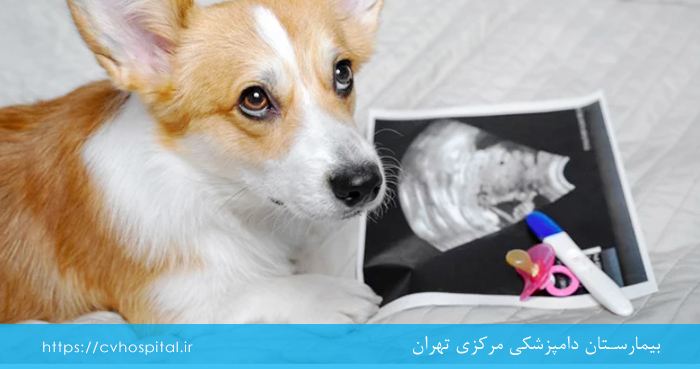
- Ultrasound: From about the 25th day onwards, ultrasound is the most accurate method to confirm pregnancy and check the status of the puppies.
- Blood test: Measurement of the Relaxin hormone in the blood can confirm pregnancy from around the 30th day.
- Radiography (X-ray): After the 45th day of pregnancy, X-rays can more accurately show the number of puppies.
Physical and Behavioral Changes in Pregnant Dogs
During pregnancy, various changes occur in the dog:
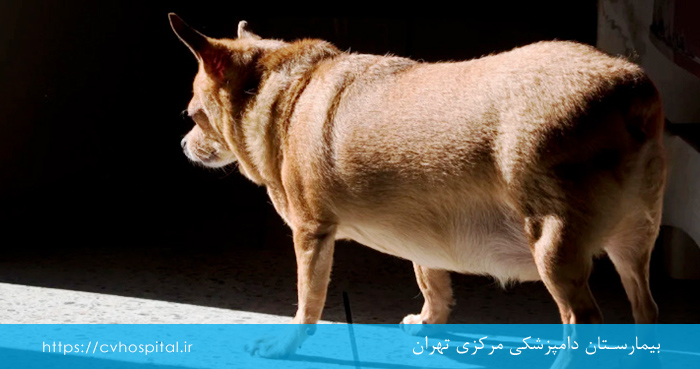
- Physical: Weight gain, enlargement of the abdomen and breasts, milk secretion from the last weeks.
- Behavioral: Increased need for rest, sensitivity to physical contact, a tendency to be alone, sometimes aggression or conversely, protective behaviors.
Proper Diet for Pregnant Dogs
Nutrition during pregnancy is of special importance:
- The first three weeks: No need to change the diet, unless the appetite has decreased.
- From the fourth week: Gradually increase the amount of food and use high-quality food designed for pregnant dogs.
- Recommended foods: High in protein, healthy fats, calcium, and vitamins.
- Important note: Avoid self-supplementation and consult a vet if necessary.
Labor and Care Before and After Birth
A dog’s pregnancy typically lasts around 63 days (9 weeks). Signs of approaching labor include:
- Body temperature drops below 37.2 degrees Celsius.
- Restlessness, hiding, digging the ground or bedding.
- Clear vaginal discharge.
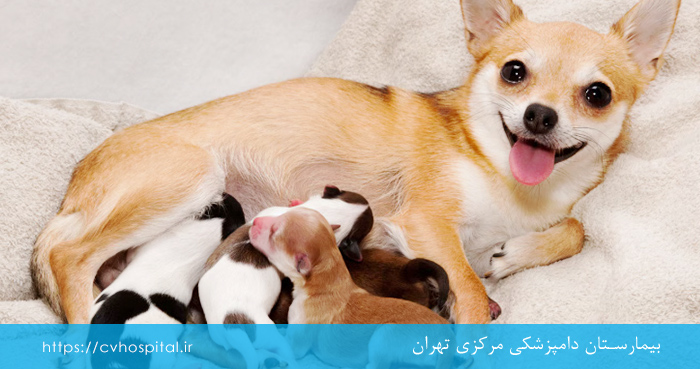 After labor begins, puppies are usually born at intervals of 30 to 60 minutes. If more than two hours pass after the birth of the last puppy and the next one hasn’t come, contact the vet immediately. Post-birth care includes:
- Keeping the birthing area clean.
- Ensuring that the puppies suckle.
- Checking the mother’s overall health, nutrition, and milk secretion.
Imaging, Ultrasound, and Tests
To monitor the health of the pregnancy, these examinations are very useful:
- Ultrasound: To confirm pregnancy, check the fetal heartbeats, and their overall condition.
- X-ray: To determine the number of puppies.
- Blood test: To check the overall health of the pregnant dog (anemia, kidney, and liver function).
Possible Complications During Dog Pregnancy
Although most pregnancies proceed without issues, the following complications may arise:
- Miscarriage: Due to infectious or hormonal reasons.
- Low puppy count or incomplete delivery.
- Preeclampsia (high blood pressure): Rare but dangerous.
- Difficult labor (dystocia): More common in breeds with large heads like bulldogs or miniature dogs.
 If you observe severe lethargy, loss of appetite, abnormal discharges, or signs of pain, contact the veterinarian immediately or call our colleagues at the central hospital using the numbers listed on the website for necessary guidance.
Frequently Asked Questions
How long does a dog’s pregnancy last? The gestation period in dogs usually lasts between 57 to 65 days, averaging 63 days.
What should be done after mating? In the first hours after mating, care for the female dog is very important. Ensure she is not in contact with any male dogs, as there is a chance of mating again until the end of her heat cycle. Interestingly, in some cases, a female dog can have puppies with different fathers. After mating, keep the dog in a quiet and calm environment to rest.
Is there a need to change the diet? During the first six weeks of pregnancy, the dog’s nutritional needs do not differ much from before. It is essential to use high-quality food with an approval label (suitable for pregnancy, lactation, or all life stages). Before adding any supplements or vitamins to the diet, be sure to consult a veterinarian.
What should be done after the sixth week of pregnancy? From the sixth week onwards, the amount of food should gradually increase, as the puppies get bigger and create more abdominal pressure. At this stage, instead of large amounts in each meal, food should be divided into smaller, more frequent meals throughout the day. In the final weeks, the dog usually requires 1.5 times the regular amount.
Food is needed.
What is the status of medications during pregnancy? Some medications that a dog previously took may not be safe during pregnancy. Before continuing or starting any medication, be sure to consult with a veterinarian to ensure its safety during this sensitive period.
How can I tell if my dog is pregnant? Detecting pregnancy in the early stages is difficult. To diagnose, depending on the needs, a blood test, abdominal palpation, abdominal ultrasound, and X-ray of the abdomen (X-ray) may be performed.
Should I change my dog’s lifestyle? As the pregnancy progresses, the need for energy and proper food increases. Instead of increasing the volume of each meal, adjust the meals to be smaller but more frequent. Regarding physical activity, pay attention to your dog’s condition and level of ability; gentle exercise is good, but you should not put her under pressure.