


Animals require anesthesia for various reasons. In fact, performing treatment procedures such as surgery or biopsy, X-ray imaging, and dental procedures on an animal without anesthesia in pets is not possible. However, pet owners usually do not welcome anesthesia and have specific concerns about it. Anesthesia is defined as the loss of the ability to feel pain. However, the term anesthesia is more often used to refer to a deep state of sedation during which the patient is unable to feel pain.
Types of Anesthesia in Animals
Your veterinarian may choose local anesthesia, injectable general anesthesia, or inhalation general anesthesia to keep the animal pain-free during surgical or diagnostic procedures. For some patients, local anesthesia is a preferred option. Local anesthesia involves injecting medication into a specific location in the skin (or applying it to an area of skin) to create temporary numbness in that area, allowing the veterinarian to perform a brief treatment procedure. The affected area can include skin, underlying muscles, and nerves. Sometimes, local anesthesia and general anesthesia are used together. For example, some veterinarians use general anesthesia to place the patient in an anesthetized state, then inject a local anesthetic into the skin and underlying tissues where surgery is performed. The effect of local anesthetic can reduce the amount of pain the patient experiences after waking up.
Anesthesia Medications for Dogs and Cats
There are several anesthesia medications for dogs and cats that are used by veterinarians for various surgeries and medical procedures. Typically, a combination of different drugs is used to achieve anesthesia and sedation, as well as pain relief. Some of these medications include: ketamine, acepromazine (acepromazine), dexmedetomidine (medetomidine hydrochloride), and inhalation anesthetics. The medication used for local anesthesia does not make the patient sleep. When deep sedation or general anesthesia is required, general anesthesia is the better option. The drugs used in general anesthesia come in various forms. Some are administered via injection, while others are inhaled through an anesthesia mask or an endotracheal tube connected to the anesthesia machine.
When is Anesthesia Used?
Anesthesia has many applications. If the veterinarian wants to remove a small tumor from your dog’s skin or biopsy a section of skin, stitch a small cut or wound, or perform any procedure with minimal pain, local anesthesia may be sufficient.
Invasive Surgeries
General anesthesia is used for more invasive surgeries or for procedures that are likely to be very painful. Examples include repair of a broken bone or performing surgery on the abdominal or thoracic cavities.
Some Examinations
Of course, the use of anesthesia is not limited to surgery. Dogs and cats typically require heavy sedation or anesthesia before having their teeth cleaned or undergoing a complete dental examination. Sometimes anesthesia is also used for X-ray imaging, especially if the animal’s condition is painful, as exposure during X-ray imaging can cause further pain.
Pre-Anesthesia Evaluation
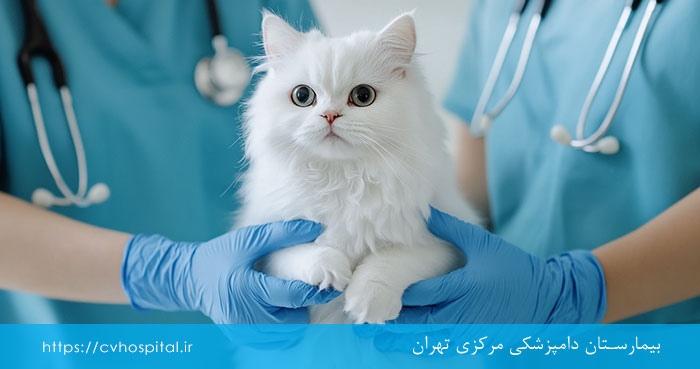
Your veterinarian may evaluate your pet before putting them under anesthesia. This process is generally not necessary for local anesthesia. The pre-anesthesia evaluation includes a physical examination to ensure the pet is healthy enough for anesthesia. Blood tests may also be recommended before anesthesia to help identify medical issues that could increase complications related to surgery or anesthesia. This test helps identify medical conditions such as infection, anemia (low red blood cell count), low blood sugar, liver disease, or kidney disease. If your pet already has medical issues such as heart problems, the veterinarian may recommend additional tests to determine whether precautions need to be taken. The test results may lead to delaying or canceling the anesthesia.
- Some veterinarians perform the pre-anesthesia evaluation on the day of anesthesia. However, others conduct this evaluation several days or weeks prior to the procedure. For more information, refer to the article on the safe anesthesia in pets process.

Induction of Anesthesia via Injectable Method
The process of sedating the patient and preparing them for general anesthesia is called induction. Following induction, the patient is placed under general anesthesia until the procedure (surgery, X-ray, biopsy, dental cleaning, or other methods) is completed. Induction typically begins with administering a sedative. This medication helps facilitate the continuation of the remaining induction activities. During this time, an intravenous catheter may be placed to initiate the infusion of intravenous fluids. Once the patient is calm, additional medications are given to induce a deeper level of sedation that leads to general anesthesia.
Inhalation Anesthesia for Maintenance of Anesthesia
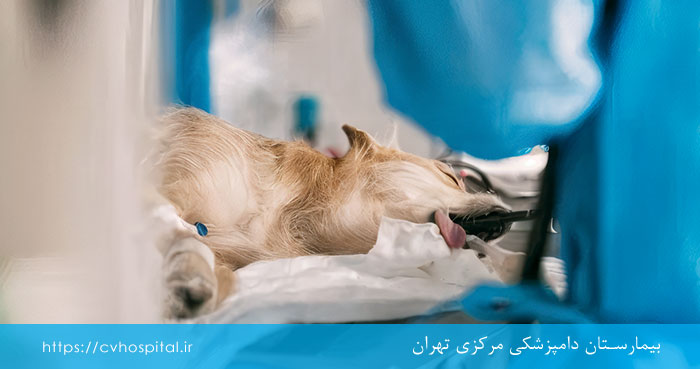
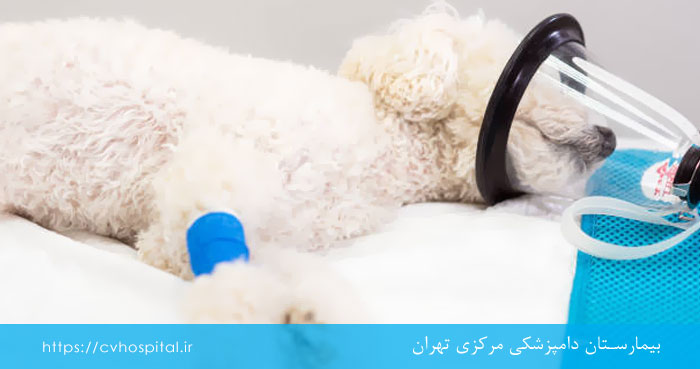
If inhalation anesthesia is chosen, an endotracheal tube is inserted into the patient’s main airway (or sometimes a mask is used).
It is placed over the mouth and nose) and is connected to a device that delivers a precisely calculated mixture of oxygen and inhalation anesthetic. The patient inhales this mixture until the procedure is complete. The advantage of inhalational anesthesia is that after the anesthesia is stopped, the animal recovers within ten minutes.
Is induction of anesthesia by inhalation possible in dogs and cats?
You may have seen in movies that putting a cloth over a person’s nose makes them unconscious; this only happens in movies, not in real life. In reality, an injectable drug is used for anesthesia first (depending on the patient’s condition, there are different medications). The effect of this injectable drug usually lasts between 10 minutes and half an hour, and if the surgery takes longer than this, maintenance and continuation of anesthesia is done with inhalational methods. However, sometimes pet owners insist that their animal must be anesthetized only by inhalation. Thus, during the initial injection performed by the veterinarian, they may question why an injection is being given. Weren’t we going to perform anesthesia by inhalation? In response, it should be said that anesthesia has several stages, and reaching the appropriate depth, that is, painlessness (in which the surgery is performed), needs to happen quickly, and particularly in dogs and cats, this is not practically possible with inhalational anesthesia. The stress placed on the animal to reach this depth is very high, and in fact, inhalational anesthesia is used worldwide for maintaining anesthesia, not for inducing it. Of course, inhalation induction is possible in rabbits, guinea pigs, and reptiles, but in dogs and cats, inhalational anesthesia is usually applicable in cases of prolonged surgery, and an injectable drug must be used first. Therefore, for example, in neutering a male cat which takes a maximum of 5 minutes, there is no need for inhalational anesthesia, and insisting on this type of anesthesia makes no sense because the surgery can proceed with just the initial injection.
On the other hand, sometimes inhalational anesthesia can be dangerous for certain cases; for example, in some heart problems, injectable anesthesia with specific drugs is much more beneficial, or if the case has issues like brain lesions or tumors, inhalational anesthesia can be dangerous. Therefore, it is necessary to trust your veterinarian and be assured that they will apply the method that is best for your pet.
Advantages of anesthesia
Keeping patients pain-free during surgery has many advantages that cannot be overlooked. For example, if a dog has significant injuries making it impossible to examine while awake, in this situation, anesthesia is the best way to facilitate the examination process. Moreover, if the patient is under anesthesia, procedures such as applying a splint or cast on a broken leg, taking X-rays of a painful lesion, or cleaning and dressing serious wounds can be performed repeatedly.
What are the risks and complications of anesthetizing animals?
Like any medical procedure, anesthesia is not without risks. Some patients may have negative reactions to anesthetic drugs or experience fluctuations in heart rate, respiration, or blood pressure. However, if the anesthesia is performed in a reputable center and under the supervision of experienced specialists, there is usually no reason for concern. Our colleagues at the Central Veterinary Hospital have extensively trained in anesthesia and take all necessary precautions to ensure that your pet awakens safely. For more information, read the article Risks and Complications of Anesthesia in Pets.
Conclusion
In response to the question of which anesthesia method is better for an animal? Inhalational or injectable? We should say that both methods of general anesthesia (injectable or inhalational) keep your pet asleep and pain-free. It does not matter which method is chosen for anesthesia; in either case, the specialized veterinarians in the Surgery Department of the central hospital take all necessary precautions to ensure that your pet stays healthy and regains consciousness. The veterinary technicians at the hospital also monitor patients under general anesthesia. Additionally, monitoring equipment is also used to continuously measure heart rate, respiration, oxygen consumption, and blood pressure.
Frequently Asked Questions
What is an anesthetic pill for dogs and cats? Acepromazine or acetylpromazine is actually a sedative and pre-anesthetic drug that is used alongside other anesthetic drugs when surgery is needed. Its sedative property is also used when an animal does not allow a veterinarian to examine it, and it is also used for transporting and calming aggressive animals.
Can dogs and cats be anesthetized solely using inhalational methods? The inhalation method of anesthesia is generally used to maintain anesthesia during long surgeries of dogs and cats.
Are dental treatments done under anesthesia? Yes, to avoid excessive movements of the animal, dental treatments are performed under anesthesia.