




There are many reasons for inflammatory bowel disease in cats, but the exact cause is often unknown or indeterminable. Possible causes include bacterial infections, parasitic infections (worms or single-celled parasites), or an allergy or intolerance to a specific protein in the diet.
- Fortunately, this disease is not contagious and cannot be transmitted from an affected cat to other cats or animals.

What are the symptoms of IBD or inflammatory bowel disease in cats?
The disease IBD can involve any part of the gastrointestinal tract but usually affects the stomach or intestines. If the stomach is involved, it causes vomiting in cats, which is the most common and chronic symptom of this disease in cats. Involvement of the intestines leads to diarrhea in cats. In some cats, both sections are affected, and both vomiting and diarrhea are observed.
If this syndrome persists for several months, decreased appetite and weight loss are seen. In some cases, cats may develop insatiable appetites because they are unable to absorb the food consumed, which should be differentiated from hyperthyroidism.
- Vomiting hairballs more than once a month is not normal and may be a sign of an inability to pass hair through the gastrointestinal tract and a sign of IBD.
How is IBD diagnosed in cats?
IBD can be suspected using ultrasound. Ultrasound of the gastrointestinal tract evaluates the thickness of the stomach and intestinal walls and the size of the lymph nodes around the intestine. Definitive diagnosis of the type of IBD is made only through a biopsy of the tissue, which requires general anesthesia and surgical intervention.
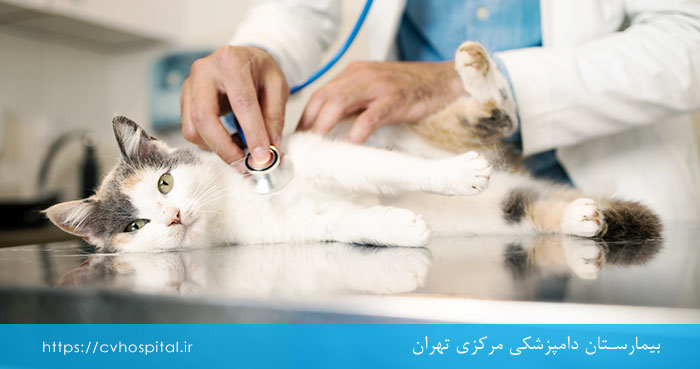
Depending on the affected area, the veterinarian may recommend endoscopy and colonoscopy in animals or a full abdominal surgery. If parts of the small intestine or upper large intestine are involved, surgery is necessary because these areas are not accessible with an endoscope. In this procedure, samples are taken from all layers of the tissue wall. If the stomach or large intestine are involved, samples can be obtained through an endoscope.
Tissue samples are sent to a veterinary pathologist to identify the type of inflammatory cells present. IBD is diagnosed when an abnormal level of these cells is observed in the tissue. Of course, to determine the cause of the tissue reactions, additional tests are usually required, including:
- Check for parasites and infections
- Blood tests to check liver, kidney, pancreatic function, and diseases like hyperthyroidism and diabetes
- Stool tests to identify infectious agents
- Measure vitamin B12 (cobalamin) levels to evaluate nutrient absorption
- Measure blood folate to check the balance of beneficial gut bacteria
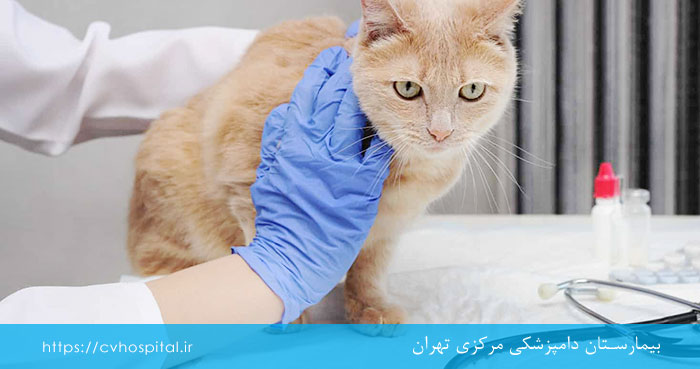
How is IBD in cats treated?
The treatment of inflammatory bowel disease in cats involves addressing the underlying cause. However, in many cases, the cause remains unidentified, and the disease is termed “idiopathic” or without a known cause. Common treatments include:
Antiparasitics: Since stool tests are not always accurate, broad-spectrum antiparasitic treatment is usually recommended.
Diet: Some cats respond to dietary changes. This may involve using a new protein (one that the cat has not been exposed to before) or hydrolyzed protein (which the body does not recognize as protein). If this is not effective, a high-fiber diet is tried. The dietary trial period should last for 8 to 12 weeks. In some cases, the veterinarian may recommend an elimination diet: only one protein and one simple carbohydrate, without any treats or snacks.
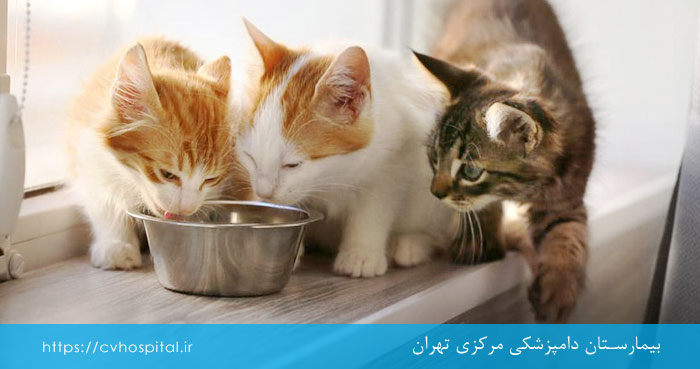 Suitable food for inflammatory bowel disease in cats Vitamin B12: Because most cats with IBD are unable to absorb this vitamin, it is usually administered by subcutaneous injection. Immunosuppressive medications: If dietary changes are ineffective or impracticable and no specific cause is found, medications like corticosteroids (prednisolone, budesonide, or dexamethasone) are used. If these drugs are insufficient, medications like chlorambucil or azathioprine are tried.
Do corticosteroids have side effects for cats?
In humans, these medications have many side effects. In cats, increased drinking, urination, and appetite are common initially. Long-term use can lead to liver problems, increased risk of diabetes, and thinning of the skin. To minimize side effects, the lowest effective dose and an every-other-day schedule are used. Treatment starts at a high dose but is gradually reduced.
Will I have to give my cat medication for life?
Most cats with IBD need long-term treatment. Usually, after a few months, the medication is discontinued to check if the disease is under control. If vomiting or diarrhea returns, treatment is resumed. If giving oral medications is difficult, periodic injections of methylprednisolone (Depo-Medrol®) may be used.
- Sometimes metronidazole is used to reduce inflammation in the cat’s gastrointestinal tract, but it has a bad taste and can cause decreased appetite or vomiting.

What is the advertisement for inflammatory bowel disease in cats?
If a cat responds to a dietary change, it can live with the same diet for the rest of its life. If it responds to antimicrobial medication or corticosteroids, the prognosis is good. However, if it does not respond to these treatments, the prognosis is cautious, and finding the underlying cause requires further testing. Some types of IBD in cats may lead to bowel cancer. Chronic inflammation has been suggested as one of the causes of gastrointestinal lymphoma in cats.
Quick Overview
Inflammatory bowel disease in cats is a complex but manageable challenge that can significantly improve a cat’s quality of life with timely diagnosis and an appropriate treatment plan. Although the exact cause of this syndrome is sometimes unclear, many cats can lead healthy and comfortable lives with close collaboration with the veterinarian, dietary modifications, medication treatment, and regular follow-ups. Early diagnosis and proper management of this condition are the key aspects of maintaining the health of a cat’s digestive system. If you observe any of the simplified symptoms mentioned in this article in your cat, take it to the central veterinary hospital for a more thorough examination as soon as possible, so it can be examined and treated by the doctors.
Frequently Asked Questions
Is feline inflammatory bowel disease contagious to humans? No, inflammatory bowel disease (IBD) in cats is a non-contagious disease and is not transmitted to humans or other animals.
Can occasional vomiting in cats be a sign of bowel inflammation? Yes. If your cat vomits hairballs more than once a month or has chronic vomiting, this may be a sign of feline inflammatory bowel disease (IBD) and should be checked by a veterinarian.
What is the best food for a cat with inflammatory bowel disease? A cat with inflammatory bowel disease has a specific diet that is based on novel proteins. This diet is carried out under the supervision of a veterinarian.
Can IBD in cats be diagnosed without a biopsy? No. Although ultrasound may prompt the veterinarian to suspect bowel inflammation, the only definitive method to diagnose feline inflammatory bowel disease is by taking a biopsy of the gastrointestinal tissue and pathological examination.
Does a cat with IBD need to take medication for life? In many cases, yes. Most cats require long-term treatment, but once their condition is stabilized, the amount of medication may be reduced or temporarily stopped. If symptoms recur, treatment is restarted.
Source: vcahospitals and petmd