





Kitten food by age is one of the most important topics for new cat owners. Feeding kittens properly at each stage supports healthy growth and development. Feeding a kitten may seem simple at first glance: you buy a package of food with a cat picture on it, pour it into a bowl, and wait for the cat to eat when it’s hungry. This method might work, but it doesn’t always yield the best results for your kitten’s growth and health. To feed your kitten intelligently, you need to be a bit more precise. In this guide, you will learn how to properly feed your kitten from birth to 6 months. You will also become familiar with the different stages of a kitten’s life, understand how much to feed at each stage, how many meals a day are necessary, and what type of food is suitable for a kitten. We have broken down the nutritional needs of cats by age step-by-step to help you identify the best kitten food at each stage.
Best Food for a Newborn Kitten (0 to 4 Weeks)
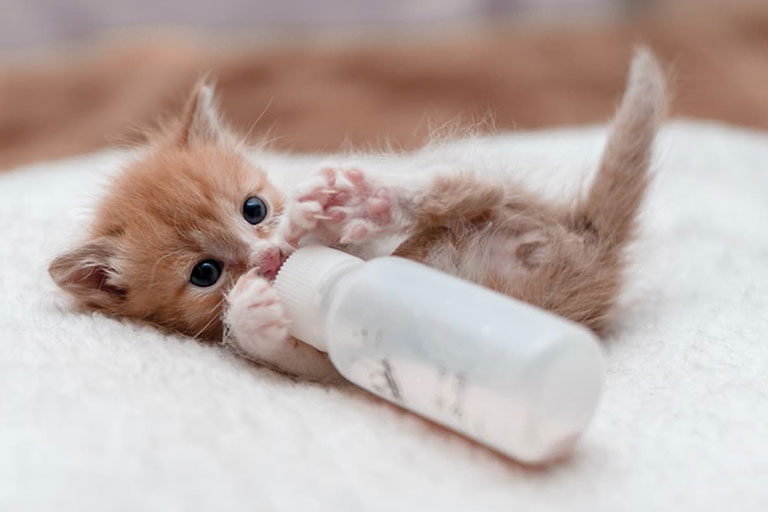
The best food for a newborn kitten is mother’s milk or special kitten milk. At this age, most kittens are completely reliant on their mother’s milk, and there’s no need for you to feed them as their mother knows what to do. However, if the kitten is orphaned, you should feed it milk with a bottle.
Feeding kittens For this, use a specially formulated kitten milk replacement that has a similar nutritional composition to mother’s milk. This type of milk can be obtained from a veterinarian or pet supply stores. Milk replacement may come in powdered or liquid forms. Powdered milk is cheaper and must be mixed with water. The ready-to-use liquid type is more expensive but is ready to use. Note: Cow’s milk is never a suitable substitute for kittens as it does not provide the nutritional balance they require. Milk storage tips:
- Prepared milk (powdered with water) can be stored in the refrigerator for a maximum of 24 hours.
- Opened liquid milk can be used in the refrigerator for a maximum of 72 hours.
- Warm up cold milk slightly before feeding.
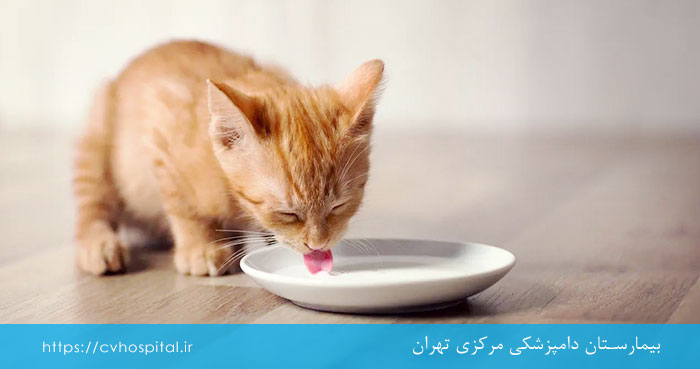
How much milk should you give to a newborn kitten?
If the mother cat is present, the kitten naturally drinks milk. If feeding with a bottle, follow the instructions on the milk replacement package. On average, a kitten should receive about 30 milliliters of milk (2 tablespoons) for every 113 grams of body weight per day. For example, a 2-week-old kitten weighing 225 grams should receive about 60 milliliters of milk daily, which translates to 6 meals of 10 milliliters or 8 meals of 7.5 milliliters throughout the day.
How often should you feed milk?
Kittens nursing from their mother are fed every 1 to 2 hours. However, if bottle feeding (where they receive a larger volume each time), they should be fed every 3 to 4 hours (6 to 8 meals a day). Of course, very small or weak kittens can be fed every 2 hours.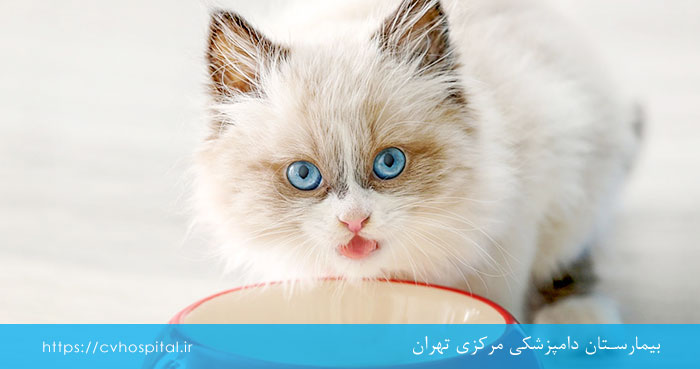
Best Nutrition for Kittens from 1 to 2 Months
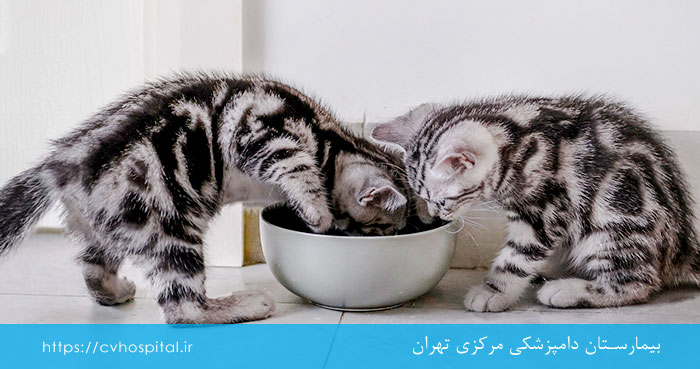
Around 4 weeks, the kitten begins the weaning phase and gradually switches to solid foods. From the fourth to the fifth week, alongside milk, you can start giving a watery mixture of wet food specially formulated for kittens and milk replacement. Begin with a spoon, then transition to a shallow plate.
Amount of food at this age
At this age, kittens are very energetic and require three times more calories than an adult cat, which is about 60 calories per pound (453 grams) of body weight. For precise amounts, check the nutritional chart on the kitten’s food package.
Number of meals needed
At this stage, kittens will want to eat every 4 to 6 hours. Due to their small stomachs and high energy levels, multiple meals are essential for them at this age. It’s important to note that by 5 to 6 weeks, if the kitten eats solid food well, there is no need for bottle feeding anymore.
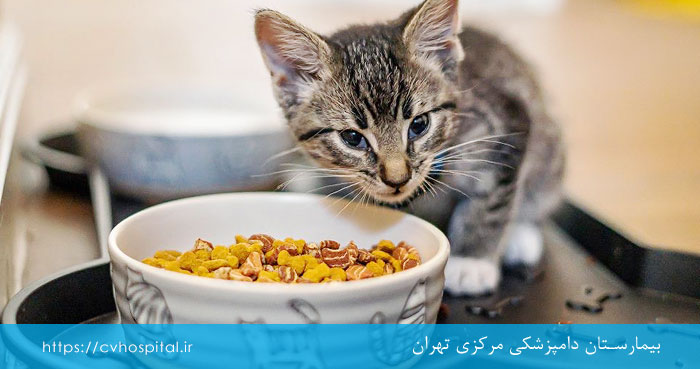
Kittens’ Food from 2 to 4 Months
At this stage, the kitten’s personality is being formed, and its hunting instincts become more active. The kitten should now be fully weaned and its diet should consist of wet dry specific kitten foods. These foods should have high animal protein levels, essential fatty acids for brain and eye development, and a balanced composition of vitamins and minerals.
How much to feed a 2 to 4-month-old kitten?
At this age, depending on breed and size, kittens need 250 to 280 calories a day. Larger breeds like Maine Coons or Ragdolls may need up to 360 calories. Check the food package label for the exact daily amount.
How many meals are needed?
3 to 4 meals a day is suitable. At this age, you can allow the kitten access to dry food (free feeding), but be careful to prevent obesity and overeating.
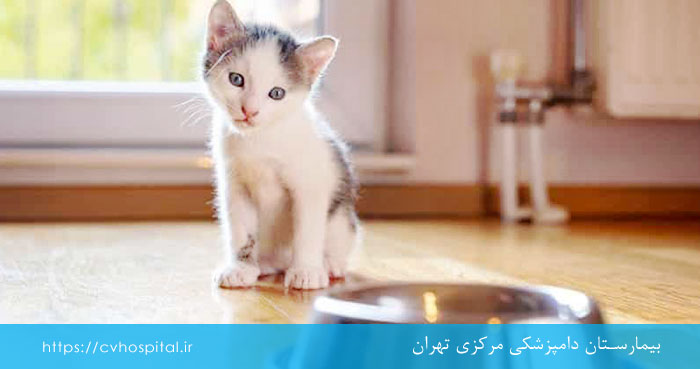
Kittens’ Food from 4 to 6 Months
At this stage, the feeding pattern of the kitten solidifies. Therefore, you should instill good eating habits. Using a variety of foods can prevent picky eating in the future and stimulate them mentally as well. Tip: Wet food contains more animal protein, fewer carbohydrates, and higher moisture (70 to 80 percent) compared to dry food (6 to 10 percent) and is considered a better choice for many cats.
Amount of food for kittens from 4 to 6 months
At this age, kittens still need 2 times more calories compared to adult cats. On average, they require 60 to 65 calories per pound (453 grams) of body weight. For example, a 5-pound cat (approximately 2.5 kilograms) should consume about 325 calories per day.
Number of Meals
At 4 months of age, 3 to 4 meals per day are necessary, but by 6 months, the number of meals can be reduced to 2 to 3 times a day. An important note is that the calorie amount from treats should not exceed 5 to 10 percent of the total daily calories.
Which Foods Are Forbidden for Kittens?
Some foods should never be given to cats as they can be extremely harmful and pose a risk of illness or even death. For more information, refer to the article harmful foods for cats to familiarize yourself with some of the most important forbidden foods for cats.
General Principles for Choosing Kitten Food
To ensure proper nutrition for your kitten, it is essential to adhere to the following principles:
- Choose high-quality food appropriate for the kitten’s age.
- Read the label on the packaging to ensure it meets the dietary standards for kittens.
- Start with wet food and gradually transition to dry food.
- Do not feed dog food or puppy food to cats (they cause taurine deficiency and serious problems).
- Avoid overfeeding or underfeeding your cat.
- Instill healthy eating habits in your cat from a young age to prevent poor nutrition for cats.
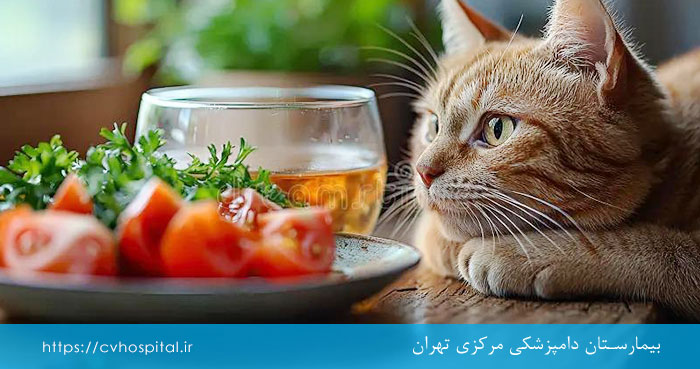
Can Vegetables Be Given to Kittens?
Yes, a small amount of chopped vegetables can be used. However, it’s important to know that cats cannot digest plant-based foods as well as dogs. In the article Can Pets be given vegetables to eat? You will learn about the permissible fruits and vegetables for cats.
What Are the Reasons for a Kitten Not Eating?
There can be various reasons for a kitten not eating. Since not eating can threaten a cat’s life, the issue should be referred to a veterinarian. Some reasons for cats refusing food include:
- Change in environment
- Oral issues
- Illness and infection
- Stress
- Gastrointestinal problems
Daily Food Requirements for Kittens Based on Weight
In general, the food amount needed for a cat varies by weight as follows:
- Weight 2 to 3 kg: 30 to 40 grams of food per day
- Weight 4 to 5 kg: 45 to 65 grams of food per day
- Weight 6 to 8 kg: 65 to 95 grams per day
Important Tips for Feeding Kittens
Finally, when feeding a kitten, keep the following tips in mind:
- Always have clean drinking water available.
- Do not give cow’s milk as it can cause digestive issues.
- Use chewable treats and toys between the ages of 4 to 6 months to prevent dental issues.
Conclusion
Choosing the right food for your kitten is the most important thing you can do for its health, growth, and temperament. A balanced diet rich in protein, vitamins, and minerals not only keeps it healthy but also helps prevent common diseases during growth. If you need specialized advice about your kitten’s nutrition, you can contact the specialists at the Central Veterinary Hospital in Tehran. We are here to ensure you enjoy being with this sweet creature with peace of mind.
Frequently Asked Questions
1. What should I do if the mother cat is dead or not nursing? In this case, you should use special kitten milk replacer and feed the kitten with a special bottle or syringe without a needle. The milk temperature should be room temperature, neither cold nor hot.
2. At what age should I start feeding my kitten? From birth to about 4 weeks old, the kitten should only drink milk (mother’s milk or special kitten milk). After the fourth week, you can gradually introduce soft foods like specialized pureed food or wet food for kittens.
3. How is the feeding schedule for kittens based on age? From birth to 4 weeks: mother’s milk or kitten milk. From 1 to 2 months: special milk + soft solid food. From 2 to 4 months: wet or dry food specially made for kittens and from 4 to 6 months: mixed foods.
4. What are the benefits of dry food for kittens? High shelf life, ease of measurement, and helping dental health are advantages of dry food.
5. When is the appropriate time to wean a kitten? Cats start eating food alongside milk from 4 to 6 weeks. However, until 8 weeks, mother’s milk or special milk should be the main source of food for the kitten. After that, gradually introduce dry, wet, or paste foods into the diet.
6. Can I give cow’s milk to my kitten? No, cow’s milk is not suitable for cats and may cause digestive problems such as diarrhea. Only use special kitten milk replacer obtained from a pet shop or veterinarian.
7. Is it allowed to give fish to kittens? Yes, but only use fish such as canned sardines, tuna, or salmon without bones. Avoid excessive fish feeding and remember that boiled chicken is a healthier option. 8. Can kittens be fed meat and bones? Yes, but raw meat and bones are prohibited until 20 weeks old. Cooked bones should never be given (they are dangerous and harmful). Raw bones must be very large to prevent the kitten from swallowing them.
Cannot swallow it. Also, do not use processed meats from the market (like sausages).
9. How many times a day should I feed the kitten? The number of times depends on the age of the kitten. Kittens up to one month old need milk every 2 to 4 hours. From 1 to 2 months old, they require a meal every 4 to 6 hours, from 2 to 4 months old they need 3 to 4 meals, and at 6 months old, they need 2 to 3 meals.
10. Can a kitten eat adult cat food? No. Adult cat food does not meet the nutritional needs of a kitten. Kittens need food that is specifically formulated for their age, rich in protein, healthy fats, and vitamins. 11. What type of food is suitable for kittens? Dry or wet? Both types are suitable, but to start, wet or soaked food is better as it is easier to digest. After 6 weeks, you can gradually introduce dry food, provided it is small, soft, and specially designed for kittens. 12. Can I give homemade food to my kitten? In this case, you should consult the cat’s veterinarian. Homemade food for kittens must be balanced and rich in nutrients. Never use fatty, salty, spicy foods or those containing onions and garlic. 13. How can I tell if my kitten has a food allergy? Symptoms like diarrhea, vomiting, lethargy, skin itching, or lack of appetite can be signs of an allergy. In such cases, change the food and consult your veterinarian. 14. Is it necessary to give dietary supplements to kittens? If you are using high-quality specialized dry or wet food, supplements are usually not needed. However, in specific cases or for weak kittens, supplements may be necessary, but this should only be approved by a veterinarian. 15. How can I tell if my kitten is full? Full kittens typically relax and sleep after eating, showing signs like licking their lips and lack of interest in continuing to eat. If it continues to meow or seems restless, it may still be hungry or hasn’t eaten enough.