





Dog examination and check-up is an important part of preventive measures against disease that should be applied periodically and regularly. Dog owners should refer to veterinary clinics at specified times for check-ups and examinations, and while performing a physical examination, necessary tests to assess the health of the dog’s blood and various organs should be conducted. Below we provide complete information on the health testing and check-up for dogs.
Steps of Dog Examination and Check-up
The health examination of dogs is conducted when they do not have any physical health issues. This is done to prevent the onset of underlying and infectious diseases and can provide an overview of potential health problems and diseases in dogs in the near future. Dogs require a physical examination first for a check-up. The veterinarian reviews various organs such as skin, fur, paws, hands, etc. to assess their functional health. Pet owners should have a list of their pets’ food, medications, and supplements, as well as past test results during each visit for a comprehensive dog check-up. The physical examination is the main part of the periodic check-up for dogs. The steps taken by the veterinarian for the periodic examination and check-up of a dog are as follows:
- History of their illnesses
- Diet and habits
- Dog behaviors
- Checking urinary and fecal problems
- Complete physical examination
- Reviewing vaccination times and implementation
- Medical advice regarding diet, medications, lifestyle, etc.
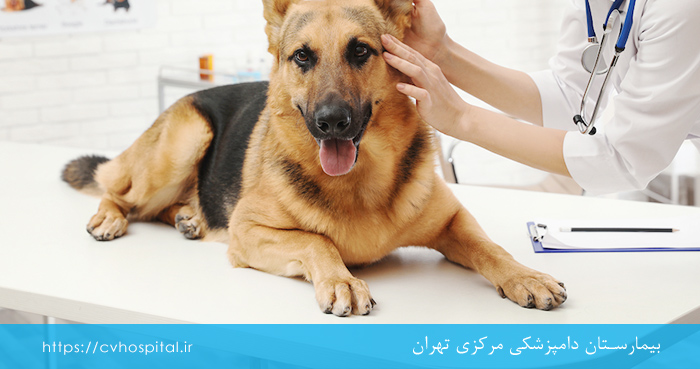
What Actions are Performed in the Dog’s Physical Examination?
Conducting a check-up and examination of dogs is an important matter for their health that should be prioritized by their owners. For the desired physical examination, the veterinarian performs the following:
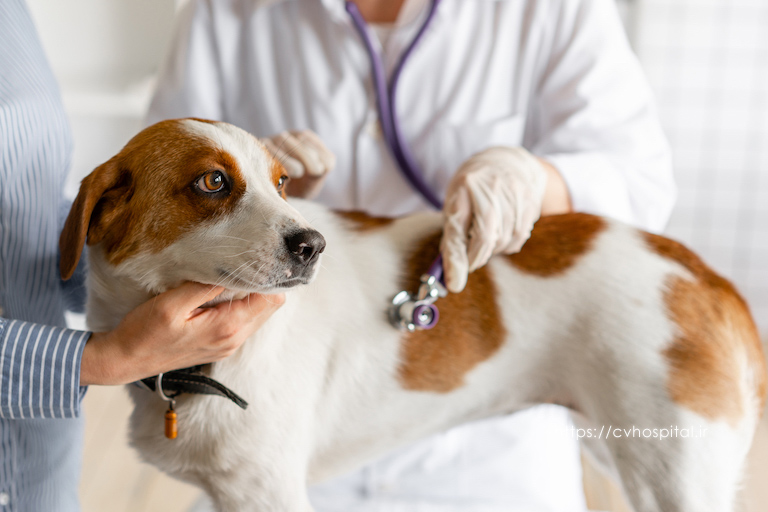
- Heart examination with a stethoscope to check pulse balance, heartbeat, and respiratory heart problems
- Eye examination with an ophthalmoscope to assess vision, light sensitivity, and eye issues
- Ear examination with an otoscope to detect hearing problems and earwax
- Nose examination to eliminate any obstructions and blockages
- Checking the weight and body temperature of the dog
- Palpating the lymph nodes
- Palpating the abdomen and checking for digestive issues
- Inspecting skin and fur to identify oiliness, dryness, and hair loss
- Mouth and teeth examination to check for dental and gum issues and to resolve them
- Examining paws and hands to test joint and claw health, etc.
- Examining the anus to test for issues like anal wounds, etc.
Vaccination for Dogs
Dogs, like other pets, require specific vaccinations to stay safe from parasitic, viral, and infectious diseases. Dog vaccinations are generally administered every three years, and the assessment of the type of vaccine required and the timing of its application is carried out during the dog’s periodic examination by the veterinarian. 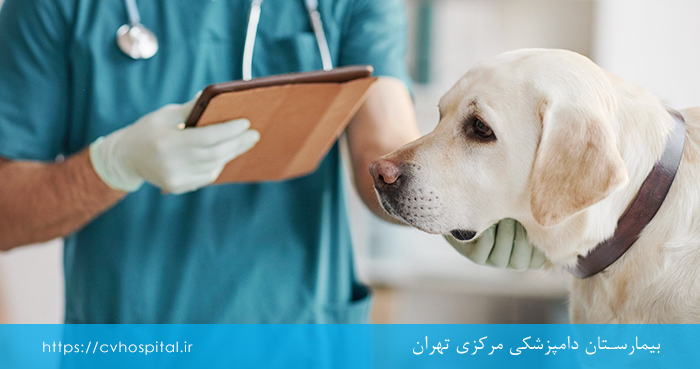
Types of Dog Tests
In addition to the periodic check-up of dogs for physical assessment and monitoring their behavioral and dietary habits, it is necessary to conduct screening tests related to blood, urine, and feces to examine their internal problems in a specialized manner. Conducting these tests is as essential as check-ups and examinations for dogs and is considered the only way to assess the functional problems of internal organs and blood in dogs. Both house dogs and street dogs should be taken to veterinary centers for the following mandatory tests based on their age:
Blood Test
Blood sampling from dogs for screening blood tests has significant importance. This test analyzes issues related to the dog’s blood health as well as the function of organs such as the liver, kidneys, heart, etc. In this test, the count of red and white blood cells, hormone balance, infection tests, diabetes, kidney and liver failure, etc., are evaluated.
Urine Test
In the examination and check-up of dogs, urine tests are conducted to check for diabetes, kidney function, and digestive system, as well as urinary and kidney infections. A fresh urine sample from the dog should be provided by its owner to the veterinarian.
Feces Test
In this test, a microscopic examination of the dog’s feces is conducted, which is solely used for checking parasites present in the feces. Intestinal, heart, etc., parasites manifest in the feces as infectious ova, which can only be detected through this method.
X-ray Test
Radiographic imaging of the chest and electrocardiogram can be performed for older dogs to test cardiac function, which is conducted solely based on the veterinarian’s diagnosis.
Cost of Dog Testing
Knowing the costs of dog check-ups is essential for pet owners and those who are newly considering adopting a dog. For information regarding the costs of dog check-ups and examinations, please contact the numbers listed on the website. 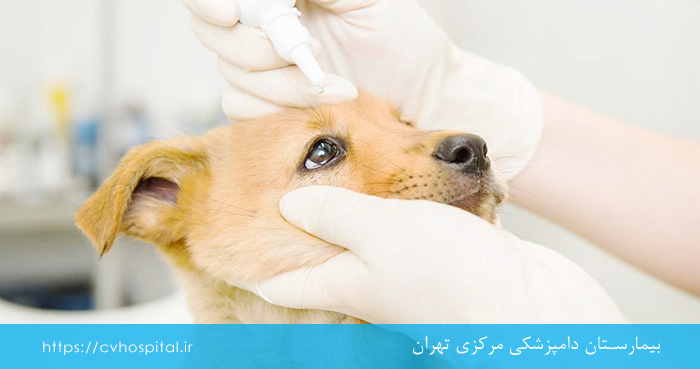
Timing for Check-ups and Examinations of Household Dogs
Dogs are categorized by age for physical examinations and various tests. Puppies should visit the veterinarian for physical check-ups every month to monitor their growth and the health of their joints and internal organs. A young dog needs to be checked once a year. However, middle-aged dogs require two physical check-ups per year. For screening tests, it is recommended once a year.
Initial Examination of Puppies
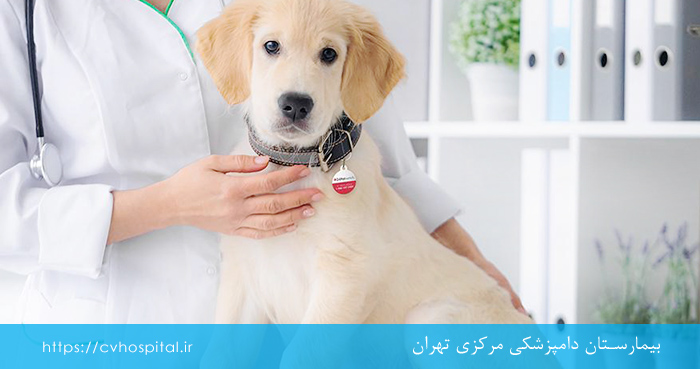
Puppies should visit veterinary centers for their first physical examination at eight weeks old. Conducting these monthly check-ups for puppies is a critical preventive method in treating dog diseases since these animals often contract parasitic diseases at a young age, and early identification is essential for quicker treatment. The timings for their important vaccinations are determined during the initial examination. If you have recently taken on the responsibility of a dog, it is advisable to visit the veterinarian on designated days.
First, get complete information about his physical health. If your pet does not have a history of annual dog check-ups and tests, screening tests are also recommended for them.
Requirements for Testing
When visiting veterinary clinics for dog check-ups and examinations, it is necessary for individuals to provide the veterinarian with the dog’s vaccination history, food and drug allergies, as well as the types of medications the dog is taking. For dog check-ups, it is not necessary to follow a specific diet, but for blood and urine tests, dogs must be fasting for at least 8 to 12 hours. There are no restrictions on fluid intake during this time.
Final Notes
A check-up and examination of dogs to assess their health is essential and should be done at least once a year by veterinary clinics. A complete check-up includes a physical examination and tests of blood, urine, feces, and radiography, which determine their health issues such as gastrointestinal, kidney, heart, liver problems, etc.
Frequently Asked Questions
What tests are included in dog check-ups? Dogs require a physical examination as well as blood, urine, and feces tests for a complete check-up.
At what age is the annual check-up for dogs required? Dogs, regardless of their age, should have annual screening (blood, urine, and feces tests) and should be physically examined at least once a year.
When do examinations for puppies start? Puppies are physically examined for the first time at eight weeks of age.
Source: Petmd Vcahospitals