






Microchips for pets are one of the quick and effective solutions that can be utilized when a pet goes missing. This small chip, placed under the skin of pets such as dogs and cats, can be scanned with special scanners, allowing the information it contains to be read and, through this method, the lost pet can quickly be returned to its owner. The microchip for animals, which is primarily used for dogs and cats, requires specialized installation and the registration of specific information in the integrated pet database. This page provides comprehensive information about them.
What is a Microchip?
A microchip is a very small chip, without a battery or power source, that is encased in a shell the size of a grain of rice. This chip operates at a radio frequency using RFID technology. When placed under the skin of pets and wild animals (at the back of the neck or along the spine), it allows for the identification of the animal when it is away from its home. This product does not contain GPS and can only provide information to individuals if scanned by a special microchip scanner. When the scanner sends a radio frequency to the microchip, the information contained in it displays on the scanner’s screen. The information in question, such as the name and characteristics of the animal, the exact address, and the contact number of the pet owner, is not displayed on the scanner. However, this information is not stored in the microchip; only a number is encoded in the microchip, which identifies the information recorded in the pet database. When the number is read by the scanner, the information associated with that number is displayed on the device’s screen.
There are various types of microchips for pets, differentiated by their frequency levels; the higher the frequency, the faster the identification can occur.
- Microchip at 125 kHz
- Microchip at 128 kHz
- Microchip at 134.2 kHz
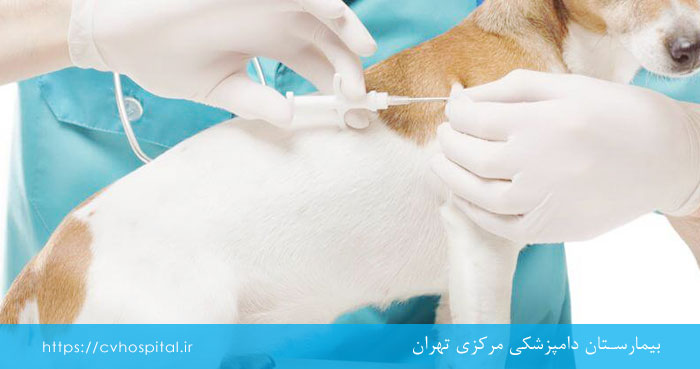
How to Implant a Microchip for Dogs and Cats
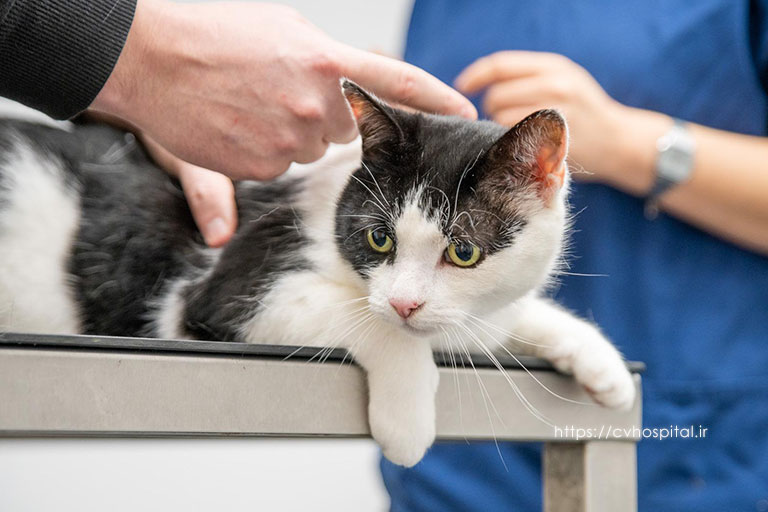
Dogs and cats are the most common pets for which microchipping is undertaken worldwide. To implant a microchip in a pet, such as a dog or cat, their owners must visit a veterinarian for this procedure. After obtaining a microchip with a specified frequency, the necessary information about the animal and the means of communication with the owner must be registered in a dedicated database, and that number must be recorded in the microchip. Before transferring the microchip to the pet’s body, the information on the microchip must be scanned and verified for accuracy. The veterinarian can place this chip under the skin at the back of the neck or along the spine. The installation is done via injection. Microchips for pets are contained in a syringe-like device and are injected under the skin in the specified area using a relatively thick needle. This process causes pain similar to that of an injection, which is tolerable. However, dogs and cats that undergo medical procedures such as spaying or dental cleaning, which are performed under anesthesia, can receive the microchip at that time so that the chip is injected under their skin without feeling any pain. The manner of injecting this product under the skin is very important, and if not executed properly, it can cause significant harm to the pet’s health. Therefore, it is essential that it is administered by a specialized veterinarian. 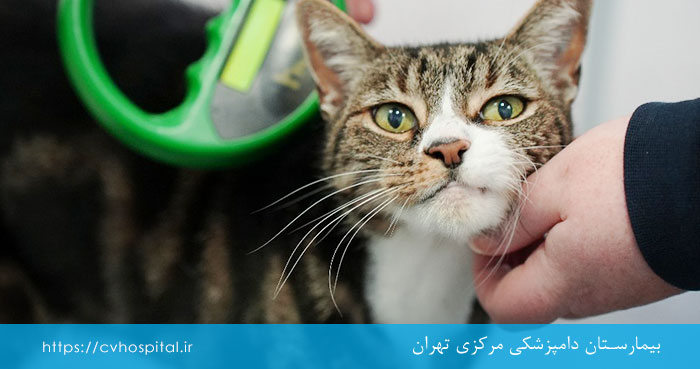
Benefits of Using Microchips for Pets
The use of microchips for pets is primarily for their early identification if they go missing. However, a dog or cat with a microchip can be scanned by a recovery team when found and returned to its owner. It is important to note that this product does not allow for tracking of the animal; it can only be returned to its owner if the animal is found and the microchip under its skin is scanned. This procedure not only reduces the costs associated with locating a lost animal but also minimizes the psychological and physical damage to the pet, making it a crucial step that pet owners must implement.
It should be noted that the information contained in the microchip and the functioning of the chip should be checked annually. For this, you can get help from a veterinarian for scanning your pet’s microchip during its annual check-up.
Side Effects of Microchips for Dogs and Cats
So far, there have been no serious adverse effects reported from implanting microchips in dogs and cats. Typically, swelling and redness at the injection site may occur for up to three days, which resolves on its own without causing significant pain or negative consequences for the animal’s health. 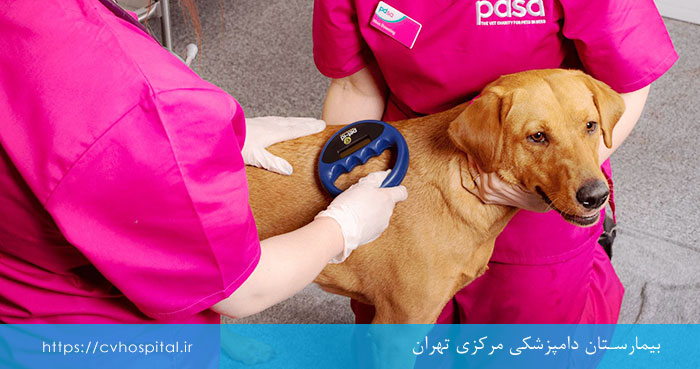
How to Track a Microchip
If a microchipped animal goes missing in a location, the recovery team can take the animal to a veterinary center or a lost animals database to use the special scanner to scan the microchip’s number to access information such as the owner’s contact number and address to facilitate its return. It is important for pet owners to update the information in the microchip whenever they change their contact number or residence address. The new information can be stored in the integrated pet database and retrieved through scanning.
How to Disable a Microchip
To have the microchip in the targeted animal removed, it is necessary to erase the registered information about the animal and its owner from the integrated pet database. In this case, when the microchip is scanned, no information will be displayed on the scanner. Additionally, removing it from the animal’s body is possible through a small surgery with anesthesia, by locating the microchip within the body and making an incision in the skin. 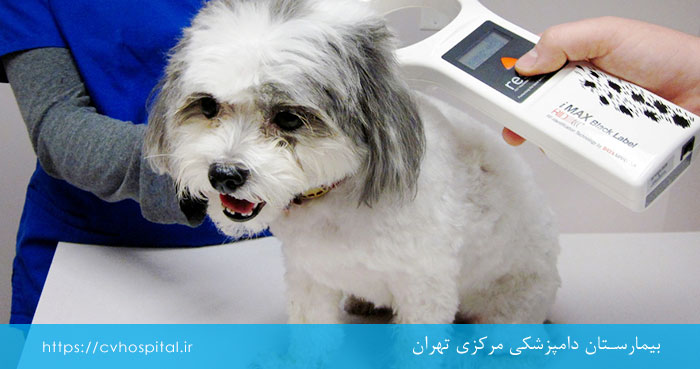
Final Thoughts
A microchip is a small chip that can be scanned by a special scanner and can be implanted under the skin of animals. The microchip for pets contains a number that is registered in the integrated pet database, which includes general information such as the name of the pet and the address and phone number of its owner. Therefore, using this product increases the speed at which the animal can be found and returned to its owner. The placement of this device under the skin of the animal is performed by a specialized veterinarian in certified veterinary centers. For information about the cost and pricing of dog microchips and also cat microchips, please contact the Central Veterinary Hospital.
Frequently Asked Questions
What is the purpose of a dog microchip? This product, when placed under the skin of the animal, is scannable and can display the owner’s contact information on the scanner, facilitating a faster recovery of the animal. Does the microchip for pets require charging and replacement? No, this product is a microchip that operates via a radio frequency, which only activates when in proximity to the scanner. Is the microchip temporary or permanent? This product is a permanent microchip that will never decompose or be lost, and remains with the animal for its entire life. How can a microchip be removed? By tracking the microchip using a scanner and radiographic images, the skin over that area can be incised and the microchip removed, which is done under anesthesia for the animal. What size is a microchip? This microchip is about the size of a grain of rice, has a very small volume, and is not visible from the skin after injection. Are dog and cat microchips different? No, the size and functionality of the microchip is the same for all animals.