


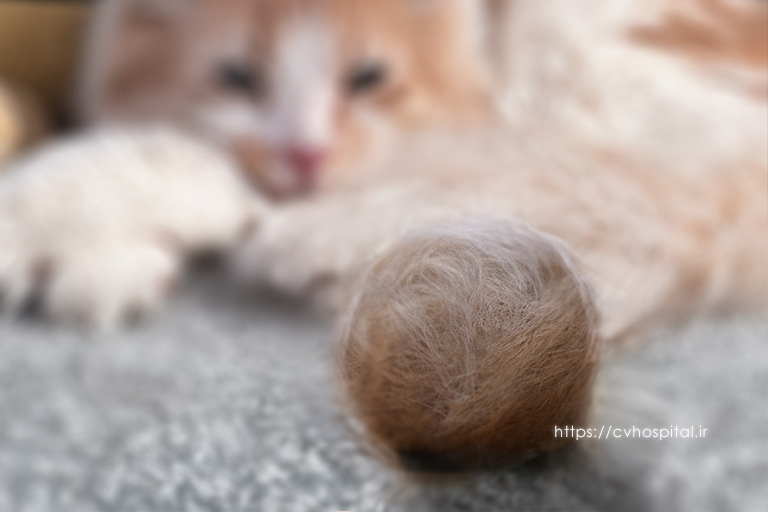


The medical or scientific term for “hairball” in cats is Trichobezoar. The word “trich” means hair, and “bezoar” refers to any foreign material that causes obstruction in the stomach or intestines. Therefore, a hairball means a blockage of the digestive system due to the accumulation of hair. In this article, you will find everything you need to know about the treatment and prevention of the hair accumulation problem in cats.
What causes hairballs in cats?
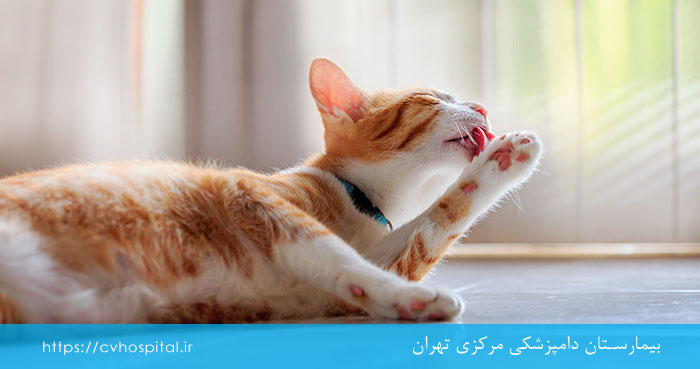
Cats frequently swallow small amounts of hair while grooming themselves. This hair, due to its keratin content (a type of structural fibrous protein), is indigestible and usually passes through the digestive system and is expelled with feces. However, in some cases, hair can clump together in the stomach or intestines and form a mass that is unable to pass through the intestines. This mass is the hairball.
Hairballs are more commonly seen in cats that have underlying gastrointestinal diseases. In such cats, the movements of the gastrointestinal tract may be impaired, slowing the passage of hair. Additionally, cats with allergies or skin problems that excessively lick their skin and hair are at greater risk. For more information on this topic, click on the article link Why do cats lick themselves?.
Symptoms of hairballs in the stomach and intestines of cats
How can you tell if a cat has a hairball problem? In many cases, the only sign of a hairball in a cat’s stomach or other parts of its digestive system is the expulsion of a hairball through vomiting. These wet, tubular hair masses are identifiable to most cat owners. Their tubular shape results from the pressure exerted on them as they pass through the esophagus. However, when the hairball causes an obstruction, hair may not be seen in the cat’s vomit. In such cases, there are some alarming signs such as:
- Frequent vomiting
- Abdominal pain
- Inability to pass feces
- Withdrawal
- Coughing
Note: If a cat cannot keep food or water in its stomach, it should be taken to a veterinarian immediately.
How is the condition diagnosed?
If a cat is clearly bringing up hairballs, diagnosis is straightforward. The veterinarian may recommend a full skin examination, blood tests, and gastrointestinal evaluations to investigate possible underlying causes. However, if the gastrointestinal obstruction is due to hairballs, further tests will be necessary. The veterinarian will first examine the cat physically to check the overall health and abdomen. Typically, radiographic imaging (X-rays) is performed to identify obstructions. If needed, ultrasound of the animal may also be performed. Blood tests will be ordered to evaluate the function of internal organs.
What is the treatment for hairballs if they cause gastrointestinal obstruction?
If a hairball has caused an obstruction in a cat’s gastrointestinal tract, it must be removed. In rare cases, it may be possible to remove it through the esophagus using endoscopy in cats. However, in most cases, surgery is required. Surgery allows the veterinarian to examine the entire gastrointestinal tract and remove all masses if multiple obstructions are found. In most cases, surgery is the primary method of treatment.
As long as surgery is performed in a timely manner and no severe damage is caused to the intestines, most cats respond well to surgery. The veterinarian will discuss prognosis and postoperative care with you before the operation. Typically, cats stay in the hospital for 1 to 3 days after the surgery and are then sent home with specific instructions regarding diet, medication, and activity restrictions.
Oral medications for hair accumulation in a cat’s digestive system
Medications such as Laxatone, which are petroleum jelly-based, help move hair through the digestive system by lubricating it. Some prefer to use non-petroleum-based medications. Before using these products, consult your veterinarian, as adding insoluble fats to a cat’s diet can interfere with the absorption of certain vitamins.
Can hairball formation in the stomach and intestines of cats be prevented?
Yes. There are various strategies to prevent hairballs in cats. The most important step is to treat underlying gastrointestinal or skin diseases in cooperation with a veterinarian. Any factor that disrupts the functioning of the digestive system increases the likelihood of this problem. One of the easiest and most natural ways to reduce hairballs is to regularly brush your cat. The more dead hair you remove, the less hair your cat will swallow. After brushing, using a damp cloth on the cat’s body can help remove loose hair.
You can also discuss using special hairball-reducing diets with your veterinarian. These diets typically have high fiber content that helps hair pass through the digestive system and prevents accumulation. In some cases, supplements or medications may be prescribed to reduce the risk of hairball formation. Hairball treats also contain fiber and lubricants. These treats should be given according to the instructions and, like other foods, should not constitute more than 10% of a cat’s diet.
Hairball or vomiting?
When a cat brings up hair, it is essentially vomiting. However, vomiting in cats is not always caused by hair. Many cats that regularly vomit hair are suffering from…
In intestinal movements, such as feline inflammatory bowel disease (IBD). Even if hair is found in a cat’s vomit, it may not necessarily be the cause of the vomiting. On average, cats groom themselves for about 3.5 hours a day, so having some hair in their stomach is normal. However, if your cat vomits and simultaneously becomes lethargic, stops eating, or has diarrhea, the issue may go beyond a simple hairball. Moreover, a cat that truly has a hairball in its stomach may vomit without any hair present, so the absence of hair in the vomit alone is not a sufficient reason. In case of frequent vomiting, a visit to the veterinarian is essential.
Hairball or Cat Asthma?
Cats that experience asthma attacks wheeze; this sound and condition are very similar to coughing or nausea that is seen when bringing up a hairball. Many cat owners mistakenly think that the cough caused by cat asthma is solely due to hair, which delays the diagnosis of asthma. Distinguishing between a cat that is coughing and a cat that is bringing up a hairball can be difficult. During an asthma attack, a cat usually lowers its body toward the ground and extends its head and neck to breathe easier. If your cat frequently coughs or shows signs of nausea, the best course of action is to visit the veterinarian. Determining the underlying cause of these symptoms (often done through X-rays of the chest or abdomen) helps the veterinarian devise the best treatment method for your cat’s comfort.
Cat Hairballs at a Glance
The table below summarizes important points about this gastrointestinal condition in cats:
| Topic | Description |
|---|---|
| Common Symptoms | Vomiting long, tubular clumps of wet hair. Occasionally, bile may also be vomited along with hairballs. |
| Diagnosis | Hairballs are usually visible in the house. However, to investigate the cause of vomiting or coughing, tests such as X-rays, abdominal ultrasound, or blood tests may be performed. |
| Need for Ongoing Medication | Sometimes |
| Treatment Options | Regular brushing or combing, using petroleum-based oral gels for easier passage of hair, therapeutic diets; if associated with inflammatory bowel disease, other medications may be prescribed. |
| Home Remedies | Regular home grooming, especially with brushes that remove dead undercoat, can reduce the amount of hair ingested. |
Do Not Ignore Hairball Disease in Cats
Remember: Hairballs in cats are not “normal.” In healthy cats, ingested hair should be passed through feces. If a cat vomits hairballs more than once or twice a year, it should be examined by a veterinarian. Cats that frequently vomit hairballs need lifestyle adjustments or further medical investigations to identify and treat the underlying cause. For more information on how to treat hairballs in cats, please contact the Central Veterinary Hospital using the numbers listed on the website for further guidance from our internal medicine team.
Frequently Asked Questions
Do only cats get hairballs? Although hairballs are most often associated with cats, dogs can also experience them. Any animal, whether cat or dog, that grooms itself or ingests the fur of other animals is at risk of developing hairballs. What are the signs of hair in a cat’s stomach? Signs of hairballs in cats include frequent vomiting, abdominal pain, and absence of bowel movements.
What should we do if a cat swallows string? If a cat swallows string or a fibrous object (such as dental floss, yarn, ribbon, or thread), immediately consult a veterinarian. Such objects can get stuck in the digestive tract and cause intestinal blockage, which is dangerous. For more information, refer to the veterinarian’s explanations about removing string from a cat’s digestive system.
Does a hairball require surgery? Yes, if medical treatments do not yield results, surgery may be necessary. Source: cats, vcahospitals