





In this article, we intend to talk about diarrhea in dogs. It is important to understand that we will not examine the diseases in which diarrhea is one of the symptoms, but the main topic of this article is solely diarrhea in dogs, treatment methods, examining its causes, and diagnostic ways. At the end of the article, we will also discuss the diagnosis and treatment process of a dog suffering from diarrhea.
Treatment for Diarrhea in Dogs
To stop diarrhea in healthy adult dogs, a veterinarian may recommend withholding food for up to 24 hours or introducing a special diet for gastrointestinal issues in small amounts. These diets are specifically formulated with a balance of fibers (which nourish the good bacteria present in your dog’s intestines) and specific antioxidants that support your dog’s immune system during recovery.
Anti-diarrheal medications, anti-parasitic drugs, and/or probiotics (bacteria that support gut health) may be prescribed. There are several probiotic products that are beneficial for dogs with diarrhea. Since the quality and effectiveness of these products are not always clear, consult your veterinarian before administering any medication or supplement for treating your dog’s diarrhea.
In many cases, acute diarrhea responds well to this conservative treatment, and the body’s defense mechanisms resolve the issue without the underlying cause being identified. Typically, within seven to ten days after the prescribed diet, with a return of stool to normal, your dog’s regular diet can usually be resumed.
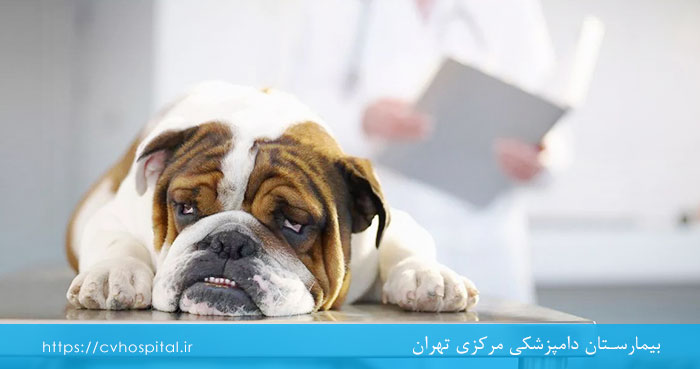
If your dog does not improve within two to four days, further tests or more aggressive treatments may be necessary. Severe or prolonged diarrhea can lead to dehydration and significant metabolic disturbances due to the loss of body fluids. Therefore, in such cases, it may be necessary for the dog to be hospitalized for treatment with intravenous fluids or other more intensive treatments.
What Causes Diarrhea in Dogs?
Diarrhea results from the rapid movement of waste through the intestines, accompanied by reduced absorption of water, nutrients, and electrolytes. If diarrhea is the main symptom of illness in your dog, the cause may be a relatively simple issue such as a bacterial intestinal infection, coccidia, or intestinal worms (hookworms, roundworms, whipworms). In dogs, dietary indiscretion (eating garbage or unpleasant or irritating substances) or changes in diet are common causes of acute (sudden) diarrhea. Stress, especially travel, boarding, or other environmental changes, can trigger acute diarrhea. Diarrhea can also be a sign of a more serious underlying disorder, such as allergies, bacterial or viral infections (like parvovirus in dogs), inflammatory bowel disease, organ failure, or other systemic diseases.
How Serious is the Risk of Diarrhea?
The seriousness of diarrhea depends on its duration and the number of accompanying clinical symptoms. If your dog has severe bloody diarrhea or shows general signs of illness such as weakness, fever, vomiting, abdominal pain, loss of appetite, or dehydration, the cause may be more serious and you should consult a veterinarian as soon as possible.
How is the Cause of Diarrhea in Pet Dogs Determined?
To diagnose the cause of your dog’s diarrhea, the nature of the diarrhea, such as color, consistency, odor, and volume, is important. The veterinarian will usually ask you to collect a sample of fresh stool material. You may also be asked to answer a series of questions. Generally, there are 4 types of diagnostic methods for the cause of diarrhea in dogs: 1. Abdominal ultrasound for diagnosing diarrhea 2. Blood tests for diagnosing diarrhea in dogs 3. Fecal float test to check for parasites in dogs: can identify any parasitic and bacterial agents. 4. Intestinal biopsy: in cases of chronic diarrhea that 3 to 4 weeks have not responded to treatment, intestinal biopsy (removal of a portion of the intestine with a scalpel for microscopic examination) is used, which is an invasive procedure. In mild cases of diarrhea, further diagnostic tests may not be necessary, unless initial treatment fails or the condition worsens. Additional tests may include: radiography (X-ray) and examination by endoscopy in animals.
Types of Dog Diarrhea
Dogs can have diarrhea for various reasons, which can be divided into four main categories: dietary problems, infectious agents, parasitic factors, and inflammatory factors. These types of diarrhea are usually categorized into acute and chronic.
1. Acute Diarrhea
Acute diarrhea in dogs generally lasts less than 7 to 14 days and improves with treatment. This type of diarrhea can manifest as either mild or severe. If diarrhea is mild, it is usually seen as mushy stools and can be treated with supportive treatments (such as dietary changes or probiotics). In such cases, heavy medications are usually not necessary.
However, if the diarrhea is severe, the dog’s stool may be watery and it can lose a significant amount of fluids. In these situations, we need to closely monitor the dog’s condition and perform blood tests to examine blood factors and its biochemical status. If necessary, treatments such as therapeutic fluids and antibiotics may be prescribed to regulate the bacterial flora of the digestive tract, followed by a course of probiotics to resolve the issue.
2. Chronic Diarrhea
Chronic diarrhea in dogs raises more concerns because this type of diarrhea does not respond to standard treatments and may recur. In this type of diarrhea, the primary complaint of the dog owner is persistent diarrhea and lack of recovery. Under such circumstances, further evaluations are necessary.
It is necessary.
Possible Causes of Chronic Diarrhea
One common cause of chronic diarrhea in dogs is a deficiency in pancreatic enzymes. These enzymes are essential for food digestion, and without them, food is not properly digested. This deficiency can lead to gastrointestinal problems and ultimately diarrhea. Usually, a test is performed to measure pancreatic enzymes, but this test is not available in Iran. Therefore, we will understand the issue this way: if the pancreas cannot produce these enzymes, we face a problem of poor digestion. In other words, this means indigestion. In fact, some enzymes that the pancreas should secrete are not available. In the absence of these enzymes, food is not well digested, and this digestive problem leads to an overgrowth of bacteria, resulting in diarrhea. In such cases, pancreatic enzymes can be added to the dog’s diet, and if the condition improves, it is likely that the issue was due to the deficiency of these enzymes.
Diagnosing the cause of diarrhea for essential care of the dog If the addition of enzymes to the food is not effective, further investigations such as stool tests or ultrasound must be conducted to check for the presence of parasites or food allergies. If none of these factors are present, the dog’s intestines may be facing a problem known as protein-losing enteropathy or protein loss from the intestines. This condition occurs when the intestines are damaged for various reasons, such as food sensitivities, infectious agents, or autoimmune reactions, leading to protein loss from the intestines.
Diagnosis and Treatment of Protein-Losing Enteropathy (PLE)
To diagnose this issue, blood tests must be conducted to assess blood proteins (such as albumin). If the albumin level is low, there is a possibility of PLE. In this case, long-term anti-inflammatory treatments should be initiated. It is worth mentioning that prior to diagnosing PLE, other factors such as the presence of lesions in the intestines, tumors, or other parasitic and inflammatory issues should be ruled out. For this purpose, blood tests, ultrasound, colonoscopy, and even radiography are utilized.
Case Study of a Dog with Diarrhea
In this section, we analyze the condition of a dog. The dog’s history includes frequent diarrhea episodes that improve, but then he experiences severe vomiting again after a few months. This situation continues, and oral and injectable medications are prescribed, but no major changes are made to the diet, and the dog maintains his regular diet. When the dog’s owner visits the Central Veterinary Hospital, blood tests, ultrasounds, and radiography were recommended for this dog. In the ultrasound and radiology, only intestinal inflammation was observed, and no specific mass or foreign body was seen. The strange thing was that the dog’s blood albumin was low. Albumin, one of the most important blood proteins, should typically be in the range of 2.5 to 4.4. However, this dog’s albumin was only 1.1, which is almost half of the normal range. For this reason, we suspected “protein-losing enteropathy” (PLE). Anti-inflammatory treatments and a special diet containing hydrolyzed proteins were prescribed for this dog. These proteins did not put pressure on the digestive system, and the dog’s immune system did not recognize them as foreign agents. Additionally, based on blood test results, white and red blood cells were within normal limits, and the liver and kidneys were healthy.
Ultimately, the diagnosis of protein-losing enteropathy (PLE) for this dog was confirmed. This condition can be due to autoimmune reactions or sensitivity to certain food materials. The mentioned dog was about seven to eight years old and had been struggling with these issues for a long time, but upon visiting the Central Veterinary Hospital, his illness was quickly diagnosed. The treatments considered for this case led to an improvement in his condition. As a result, the severe weight loss of the dog due to diarrhea was gradually compensated, and he returned to a normal state. Anti-inflammatory treatments and hypoallergenic diets will continue to improve the dog’s condition, and these treatments may last for the dog’s entire life.
Dog Diarrhea at a Glance
In this section, you will see a summary of the important points of this article in tabular form. Note: If you notice any changes in your dog’s gastrointestinal status, please consult our colleagues at the Central Veterinary Hospital.
| Section | Description |
|---|---|
| Main Objective of the Article | The article focuses solely on diarrhea in dogs, and it concludes by examining the diagnosis and treatment process of a dog with diarrhea. |
| Causes of Diarrhea | Diarrhea results from the rapid movement of materials in the intestine with reduced absorption of water and electrolytes; it may be caused by bacterial infections (coccidia) or intestinal worms (hookworms, roundworms, whipworms). |
| Acute Factors | Carelessness in feeding (eating garbage or irritants), dietary changes, stress (travel, boarding, environmental changes). |
| Underlying Factors | Allergies, bacterial or viral infections (like parvovirus), inflammatory bowel disease, organ failure. |
| Severity and Risk | Dependent on the duration and number of symptoms; if diarrhea is severe and bloody, accompanied by weakness, fever, vomiting, and dehydration, immediate veterinary attention is required. |
| Diagnostic Methods | Collecting stool samples, abdominal ultrasound, blood tests, fecal float tests, and in chronic cases, intestinal biopsy (in some cases… |
Initial TreatmentAdvice to stop feeding for 24 hours or a special digestive diet; use of anti-diarrheal, anti-parasitic medications, and probiotics along with consultation with a veterinarian.Advanced TreatmentsIf no improvement occurs within 2-4 days, further tests, intravenous fluids, and more invasive treatments are needed to regulate gut flora and correct metabolic disorders.Types of DiarrheaAcute diarrhea (less than 7-14 days; mushy or watery) and chronic diarrhea (more than 3 weeks; unresponsive to standard treatments).Causes of Chronic DiarrheaDeficiency of pancreatic enzymes (malabsorption) and issues such as protein-losing enteropathy (protein loss from the intestine) that require long-term anti-inflammatory treatment.
Frequently Asked Questions
What is the cause of diarrhea in nursing puppies? The most common cause of diarrhea in nursing puppies is primarily the type of formula used and then its concentration. A puppy may be allergic to a certain formula, and changing it may lead to recovery. If diarrhea persists even after changing the formula, try making it a little thicker than the instructions on the box.
Is yogurt beneficial for dog diarrhea? Occasionally, probiotic yogurt is used for diarrhea, but this prescription is not recommended for two reasons: 1) The gut flora bacteria in humans differ from those in dogs, and 2) Dairy and cow proteins can cause gastrointestinal allergies in dogs and worsen diarrhea.
What is the name of the diarrhea medication for dogs? Regarding medications for dog diarrhea, it should be noted that the appropriate medication is prescribed based on the cause of diarrhea, and there is no specific pill.
Is metronidazole suitable for dog diarrhea? Sometimes metronidazole can be used due to gut flora changes caused by food intolerances or poisoning from a single-celled organism called Giardia.
What is a home remedy for dog diarrhea? Diarrhea is a serious condition, and the animal should be under veterinary supervision.
What foods cause diarrhea in dogs? In general, any sudden change in diet can cause dogs to have diarrhea. Therefore, introduce new foods in small amounts initially to allow the dog’s digestion to gradually adjust. Overall, raw foods (raw vegetables, raw eggs, and raw meat) can cause diarrhea because raw food carries diseases that are eliminated through cooking, and digestion and absorption of raw food is more difficult than cooked food.