


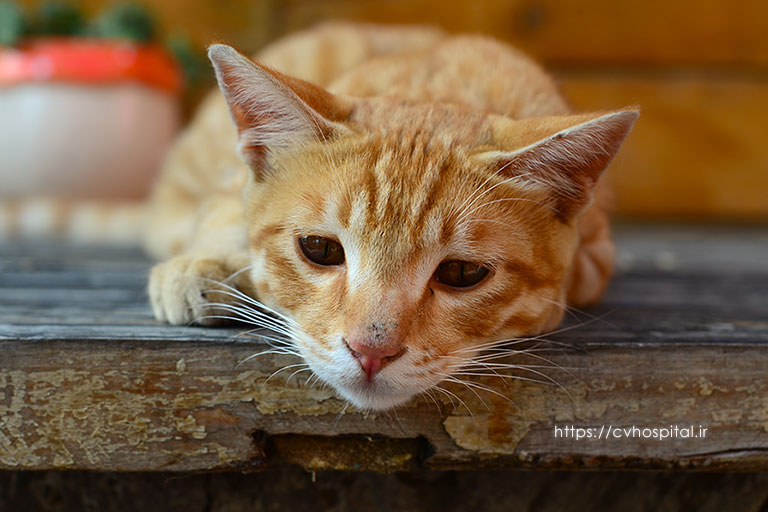

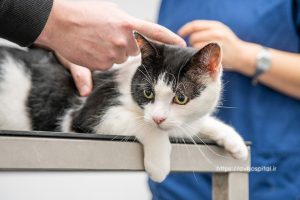


Cat vomiting is not in itself a disease or specific diagnosis. Cats sometimes vomit, and in a generally healthy cat, occasional vomiting (less than once a month) is usually not concerning. This is especially true when the material vomited is primarily hair. Ingesting hair while grooming is a natural process for cats, and expelling hairballs occurs periodically. In the following article, we will examine the causes of cat vomiting and its treatment.
Is cat vomiting dangerous?
This depends on the cause of the cat’s vomiting . Most cases of acute vomiting, that is, cases that last less than two or three days, resolve quickly with simple treatment without the need for diagnosing an underlying cause. However, severe or chronic vomiting (long-term) is more serious and can lead to secondary problems such as dehydration or disruption of electrolyte levels like sodium.
Causes of cat vomiting
The reasons for a cat vomiting may include the following:
- Mild gastrointestinal discomfort
- Eating plants
- Eating spoiled food or bad-tasting things (like certain insects)
However, vomiting can also be a sign of more serious diseases such as bacterial or viral infections, intestinal blockage due to foreign bodies, urinary blockage in cats, liver diseases, thyroid problems, inflammatory bowel disease in cats, or animal cancer. If left untreated, these diseases can lead to severe complications, including death.
What to do after a cat vomits?
If the cat does not vomit again after 12 hours, you can give it some electrolyte-containing water to prepare its stomach for accepting food. After that, feeding should be done in small amounts, multiple times, and with simple food to prevent further regurgitation. If the cat’s condition does not improve despite these steps, it is necessary to consult a veterinarian for a more detailed examination and treatment.
How to predict cat vomiting?
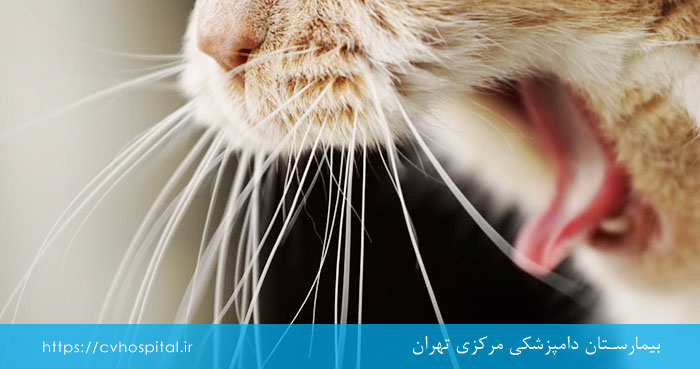
Vomiting in cats usually begins with a stage of nausea in which the cat appears restless and anxious. It may lick its lips, drool, and swallow repeatedly. The actual vomiting is accompanied by strong contractions of the abdominal muscles, resulting in the expulsion of fluid, foam, or food. This process can be uncomfortable for the cat.
Distinguishing vomiting from coughing is essential, as both may be accompanied by abdominal contractions. Cats sometimes expel foam or frothy material during coughing, which they then swallow again. During coughing, cats usually sit on their four legs and extend their necks. If you can capture a video of your cat’s behavior and show it to your veterinarian, it will help distinguish vomiting from coughing better. It is also necessary to distinguish vomiting from regurgitation, which is typically associated with esophageal problems and is considered a more passive process:
- Cat vomiting is accompanied by abdominal contractions and effort.
- Regurgitation occurs suddenly and without abdominal contractions.
- Regurgitation often occurs immediately after eating or drinking.
Types of color and shape of cat vomit
The color and shape of vomit can indicate specific problems in the cat’s body:
- Yellow: Presence of bile, usually due to an empty stomach or gastrointestinal problems.
- White and foamy: Accumulation of gas or mucus, usually harmless, but if recurrent, needs investigation.
- Green: Bile and prolonged nausea, may require veterinarian visit.
- Brown or dark: Possible internal bleeding or stomach ulcers, requiring immediate attention.
- Red or pink: Active bleeding, very serious and requires immediate action.
- Clear: Water or mucus, usually due to anxiety or drinking water rapidly.
- Containing food particles: Sign of overeating or rapid swallowing; controllable with dietary changes.
- Massive: Semi-digested or freshly eaten food.
- Liquid: Clear and fluid.
- Hairball: Caused by hair ingestion; the use of malt paste for prevention is recommended.
What is acute and chronic cat vomiting?
If a cat vomits over extended periods, such as once a month or more, this is considered chronic. However, if a cat that usually does not vomit suddenly vomits more than three times in a day, its vomiting is acute. Acute vomiting usually indicates a serious illness, and if not addressed timely, it can endanger the cat’s life.
Treatment of cat vomiting
In mild cases, veterinarians usually recommend nonspecific supportive care for cat vomiting, which includes feeding a mild and easily digestible diet in small amounts and at frequent intervals. Often, a veterinary prescription diet is recommended that is designed for easy digestion. In some cases, a specific homemade diet may be advised. During this time, it is crucial that your cat consumes only the food recommended by the veterinarian and nothing else. Fresh water must be available freely to prevent dehydration. If improvement is observed, the amount of food should be gradually increased, and the cat’s regular diet should be slowly resumed over a few days.
In some cases, veterinarians may prescribe anti-nausea medications for cats to control vomiting or reduce inflammation, such as maropitant citrate (Cerenia®), famotidine (Pepcid®), or metronidazole (Flagyl®). These medications help the body to
Using its natural mechanisms, it can resolve the issue.
- Warning: The anti-emetic medication for cats should be used under veterinary supervision. If the cat does not improve with supportive treatment, it may need a change in medication or further tests for a more accurate diagnosis.
Diagnosis of the Type of Treatment or Tests
The features you can identify to assist the veterinarian in decision-making include:
- Is your cat depressed, lethargic, or feverish?
- Is the cat eating?
- Has there been weight loss?
- Is there blood seen in the vomit? (Some fresh blood may be normal, but continuous or excessive bleeding is important)
- Is there pain or discomfort, particularly in the abdominal area?
- Is the stool normal or has there been diarrhea or constipation?
- How often is the vomiting and what is the volume?
- Does the vomit have an unusual odor or color?
- What food has your cat eaten and has there been any changes in its diet?
- Has it had access to other foods or substances?
- Has any medication or supplement been given recently?
- Do other cats in the house show any symptoms?
What Other Tests or Treatments Might Be Needed?
If the cat’s vomiting is severe or if the veterinarian suspects a serious issue such as liver or kidney disease, more aggressive treatment may be necessary. Hospitalization may be required for intravenous fluids to combat dehydration and correct electrolyte levels. Sometimes injections of anti-emetic medications are also essential. In milder cases, home treatment of cat vomiting with veterinary guidance and monitoring may be sufficient. If the cat becomes uncomfortable with home treatment, contact the veterinarian immediately. 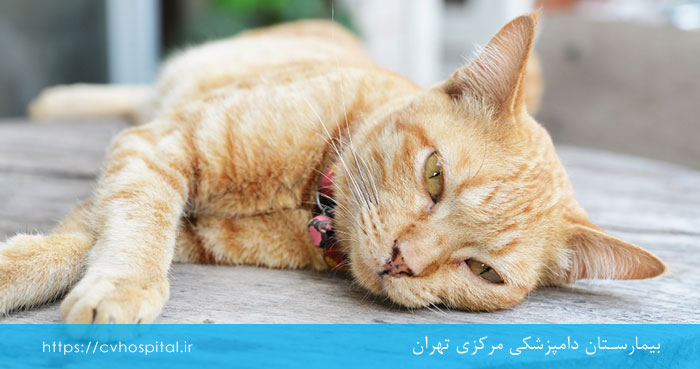 Lethargy in a cat due to vomiting In cases of chronic vomiting in cats (lasting more than two to three weeks, even if intermittent), the underlying cause must be identified to provide effective treatment. Common tests include:
- Blood test for the cat: To check for infections, kidney or liver problems, thyroid disease, or diabetes.
- X-ray: To examine the esophagus or stomach, identify blockages, tumors, or foreign bodies (if necessary, with barium).
- Ultrasound for cats: To check for inflammation, masses, or obstructions in the stomach and intestines.
- Endoscopy for cats: To directly visualize the inside of the stomach and perform biopsies, requiring general anesthesia.
- Laparotomy (exploratory surgery): If there is suspicion of obstruction or a need for biopsies. This method is both diagnostic and therapeutic.
Conclusion
In this article from the Central Veterinary Hospital of Tehran, we discussed cat vomiting, its causes, and treatments. Once the cause of vomiting is identified, treatment may involve special diets, medications, or surgery. If your cat is vomiting and you are unsure what to do, please contact the numbers listed on the website for guidance from our staff.
Frequently Asked Questions
Is occasional vomiting in cats normal? Yes, in some cases, occasional vomiting can be normal, especially if the cat has expelled hair or if a specific food has upset its stomach. However, if this occurs repeatedly or is accompanied by other symptoms such as lethargy, lack of appetite, or weight loss, it should be examined by a veterinarian.
When is cat vomiting dangerous? If a cat vomits more than three times a day, if there is blood or an abnormal color in the vomit, or if it is accompanied by symptoms like lethargy, diarrhea, or fever, there is a risk of a serious problem such as poisoning, gastrointestinal obstruction, or viral diseases, and the veterinarian should be consulted immediately.
Should I feed my cat after it vomits? No, you should not feed your cat immediately after vomiting. If 12 hours pass without vomiting, start by giving a little water with electrolytes, and then offer small amounts of simple food more frequently. If the cat vomits again, it definitely needs veterinary examination.