


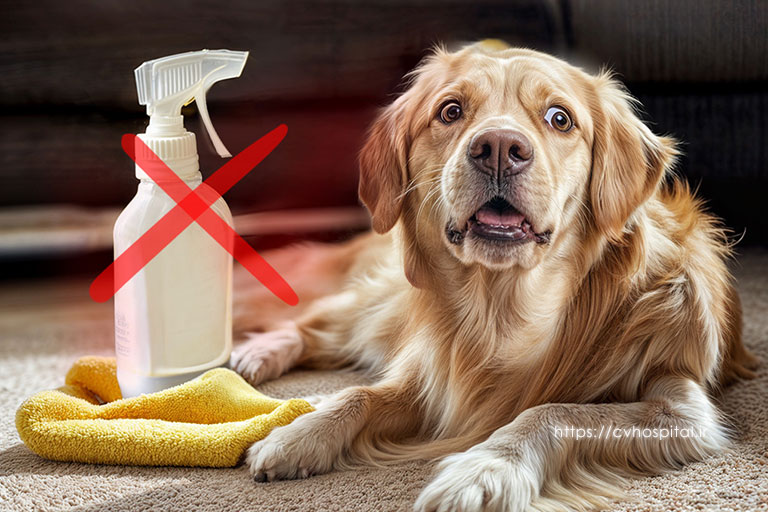




What smells do dogs dislike? If you have ever taken care of dogs, you might have noticed that certain smells cause them discomfort or even make them run away. But did you know that many smells that seem pleasant or harmless to humans can be annoying and even toxic to dogs? From citrus scents to spicy spices and chemicals, each of these odors can have serious negative effects on dogs’ behavior and health. In this article, we will explore 11 smells that dogs hate.
1. Onions and Garlic
You may not know that garlic and onions are toxic foods for dogs. Fortunately, dogs hate the smell of these two substances (this helps keep them away from eating them). However, due to the toxicity of these materials, you cannot use them as deterrents. This is not safe at all. If dogs consume or inhale onions and garlic, they may experience anemia, weakness, lethargy, and even organ failure. Therefore, when you are cooking, be careful to keep your dog away from this smell and avoid giving them foods that contain onions or garlic. Also, never share your food with dogs unless you are sure it is safe for them. .
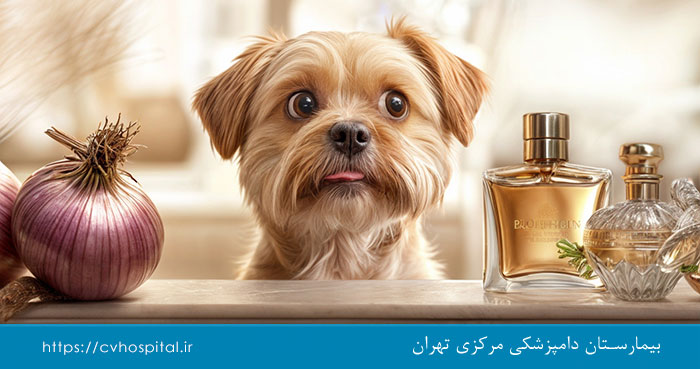
3. Ground Spices
Ground spices include substances such as cinnamon, nutmeg, black pepper, ginger, cardamom, mustard, and cayenne pepper. While we humans love to add these fragrant spices to our food, dogs do not particularly like them. These spices are toxic to dogs. Symptoms of poisoning in dogs may vary depending on the type of spice. These spices have a very strong aroma that affects dogs’ noses and drives them away. Be especially cautious with nutmeg as consuming it in large quantities can cause hallucinations and seizures. Nutmeg is one of the most toxic spices for dogs, so we recommend avoiding its use around dogs.
2. Pepper Family
Spicy peppers such as jalapeños, chili peppers, and habaneros contain capsaicin (the substance that gives them their spiciness). For dogs, this compound causes sneezing, coughing, and watery eyes. Dogs are smaller than humans, so the effects of capsaicin on them are much greater. What may seem somewhat spicy to you may be very spicy for your dog. Some people use peppers as a natural way to keep dogs away, but care must be taken to avoid causing them any discomfort. Just a small amount is enough to keep dogs away. Dogs are more sensitive to the smell of these substances than their taste. Therefore, even a small amount of these peppers is enough to repel them.

4. Vinegar
Vinegar should be a staple in every home, especially if you own a dog. Vinegar is a very effective cleaning agent and is very useful in reducing unpleasant smells and urine stains from dogs. However, you should avoid giving vinegar to your dog or using it on their body. The pungent and acidic smell of vinegar is not pleasant for dogs. Spraying or inhaling vinegar can irritate dogs’ skin and respiratory tract. When using vinegar for cleaning, make sure the area is thoroughly cleaned, and the dog should not enter that environment for a while after cleaning. Also, ensure that anything your dog uses (such as their bowl or bed) is thoroughly washed. Otherwise, your dog may avoid them due to the smell of vinegar.
5. Fresh Herbs
While we consume herbs without issues, some of them have unpleasant odors for dogs. Fresh herbs like basil, mint, and rosemary contain oils that create a very strong smell. For dogs, this overwhelming smell can be somewhat intolerable. In addition, some fresh herbs can be toxic to dogs in large quantities. Therefore, you should be cautious when using any herbs in dog food (especially avoid giving them leftover plant-based foods), although the oils from these herbs dissipate over time, so when dried, they no longer have such strong odors.
6. Alcohol
Dogs do not like the strong and unpleasant smell of alcohol at all. Alcohol can be very dangerous for dogs if they consume or inhale it; therefore, fortunately, dogs have no interest in it. Alcohol does to dogs what it does to humans. However, since dogs are usually smaller, the effects are greater. This means that dogs are more prone to alcohol poisoning and related issues. Alcohol can cause many problems, including poisoning, vomiting, diarrhea, and even coma or death. So, keep alcohol out of reach of curious dogs and avoid using alcohol as a cleaning agent. Also, avoid using alcohol pads on your dog’s body, as dogs lick their bodies clean and may accidentally ingest some of it.
7. Household Cleaners
The chemicals in cleaners, such as chlorine and ammonia, have a strong odor similar to bleach that dogs cannot tolerate. However, this is not necessarily a bad thing. Just like humans, strong chemicals in cleaners typically produce gases that are harmful to dogs. Humans can prevent this problem by using ventilation or wearing masks, but dogs naturally flee from this smell. This helps them avoid health issues related to bleach and similar cleaners.
From skin problems to eye injuries, respiratory issues, and even organ failure caused by these cleaners, they pose a danger to dogs. It is better to keep your dog away from the room when using these substances.
8. Mothballs
Mothballs, which are commonly used to prevent insect infestations in clothing and furniture, can still be found in some homes, although they are no longer very common. These balls are full of chemicals. Fortunately, dogs dislike the smell of these chemicals, which causes them to avoid eating them. These balls can create many health issues for dogs, including vomiting, diarrhea, seizures, liver damage, and even death.
9. Perfumes
Many people enjoy the scent of perfumes, but our furry friends do not agree. The strong smell of perfumes can be bothersome to many dogs. Remember that dogs have a very sensitive nose, so the scent of perfumes can be irritating to them. Perfumes are made up of various compounds, some of which are toxic to dogs. If dogs lick or inhale perfumes, they may experience skin irritation, allergic reactions, respiratory issues, and even poisoning. Therefore, keep your perfumes out of reach of dogs. 
10. Citrus Fruits
Humans may enjoy the smell of citrus, but dogs generally hate it. The scents of oranges, lemons, and grapefruits are all unpleasant to dogs. These fragrant fruits contain oils that are very aromatic and irritating to a dog’s nose. Additionally, these fruits are toxic to dogs (like many of the scents that dogs dislike). Avoid giving citrus fruits to your dog or using citrus oils around them. Even inhaling citrus oil can be very toxic to dogs and cause minor damage over time. Therefore, you should completely avoid using citrus oils indoors.
11. Nail Polish
Nail polish has little smell after use and drying on hands. However, a bottle of nail polish can have a very strong odor for dogs. Most dogs instinctively avoid the smell of these chemicals. Nail polish can create many problems for dogs. Vomiting, diarrhea, and stomach discomfort are issues that can occur quickly if a dog ingests nail polish.
A Quick Recap
What smells do dogs hate, or in other words, what scents repel dogs? Fortunately, dogs instinctively hate the smell of toxic substances. That’s why the smell of spicy foods, various plants, and onions is unpleasant to them. Additionally, most dogs dislike the smell of chemicals as well. For example, cleaners and vinegar often repel dogs. Dogs naturally use their sense of smell to stay away from toxic foods. However, this strong sense doesn’t always keep dogs safe from danger. They may eat onion-laced food and suffer from anemia or accidentally ingest nail polish. Sometimes, the smell of something else tempts a dog (like the smell of onion-flavored steak). This is why you should keep toxic substances out of their reach.
If your dog accidentally encounters an unpleasant smell and shows symptoms, be sure to immediately take them outside and away from the odor. If they do not quickly recover, take them to the central veterinary hospital. Our staff is available 24/7 to provide services to animals.
Source: Dogster