






Urinary problems in cats are one of the common reasons for cats visiting veterinary clinics. Among the symptoms that pet owners usually notice is the increased frequency of the cat going to the litter box. This behavior may indicate polyuria; however, it is essential to differentiate between various concepts, including polyuria, increased urination, and painful or difficult urination (dysuria). In this guide, you will become familiar with different types of urinary diseases in cats, ranging from infections and blockages to stress-related disorders, as well as symptoms, treatment methods, and prevention tips.
What is Feline Lower Urinary Tract Disease (FLUTD)?
Feline lower urinary tract disease (FLUTD) refers to a collection of common conditions affecting the lower urinary system of cats, involving the bladder and the urethra (the narrow tube that carries urine from the bladder to outside the body). You will get to know the symptoms and causes of this disease below.
Underlying Causes of Urinary Diseases in Cats
Cats of any age can suffer from urinary problems, but these disorders are more commonly seen in middle-aged and overweight cats. Possible causes of FLUTD include:
- Feline idiopathic cystitis (FIC): inflammation of the bladder and urethra without a specific cause
- Bacterial or viral infections: cause of urinary tract infection (UTI)
- Urinary crystals or bladder stones
- Bladder obstruction due to plaque buildup in the urethra
- Stress and behavioral problems
- Neurological injuries (often after trauma)
- Bladder or urethral cancer
In many cases, FLUTD is multifactorial, and factors such as the concentration and composition of urine, the cat’s stress tolerance, lifestyle, diet, and other underlying diseases play a role in its development.
Symptoms of Urinary Problems in Cats
One of the first and most common signs you may observe is the cat urinating in inappropriate places outside the litter box or an increased frequency of urination. You should always pay attention to changes in the cat’s behavior regarding using the litter box. If you notice any of the following symptoms, be sure to consult a veterinarian:
- Difficulty, pain, or making noise while urinating
- Straining before, during, or after urination
- Passing small amounts of urine
- Inability to urinate (veterinary emergency)
- Presence of blood in the urine
- Behavioral changes or aggression
Diagnosis of Urinary Problems in Cats
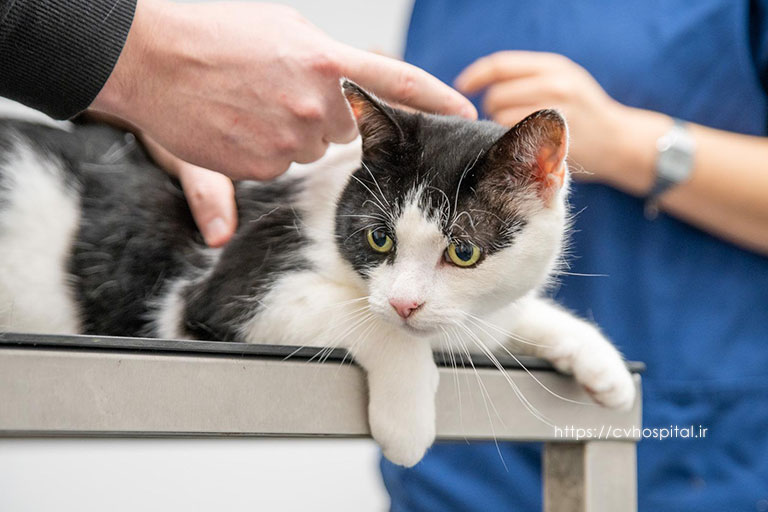
If you observe symptoms of urinary disease in your cat or suspect an issue, you should consult a veterinarian as soon as possible. The veterinarian may take a complete medical history and conduct a thorough physical examination, and may collect a urine sample to begin treatment based on the results. If there is no improvement, further tests will be conducted.
Urinary Obstruction in Cats
Urinary obstruction is a painful and life-threatening condition in which the cat cannot empty its bladder. This condition can occur in both genders but is more common in male cats. Possible symptoms include:
- Straining during urination
- Passing very little urine or not passing any at all
- Discomfort, pain, and whining while attempting to urinate
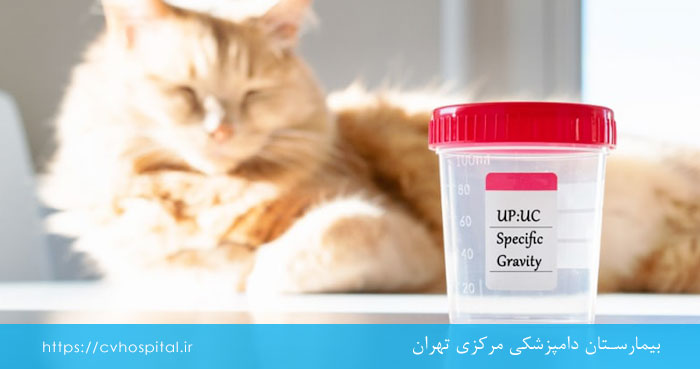
If you suspect a bladder obstruction, consult a veterinarian immediately. If left untreated, it may lead to bladder rupture, kidney failure, and death. For further reading click on the article link Urinary obstruction in cats.
Urinary Tract Infection (UTI) in Cats
One of the most common types of bacterial infections in cats is bladder infection. This issue can occur at any age, but it is more common in older cats (over 10 years), especially those with diseases like diabetes or hyperthyroidism. Treatment usually involves antibiotics prescribed by a veterinarian. If infections occur repeatedly, urine culture and sensitivity testing are necessary to identify the exact cause and to choose the most appropriate antibiotic.
Feline Idiopathic Cystitis (FIC)
The most common diagnosis in cats showing urinary disturbance symptoms is idiopathic cystitis, meaning inflammation for which no specific cause can be found. Usually, this problem is managed effectively with appropriate treatment over a few weeks but may require long-term care to prevent recurrence.
Stress in cats is a key factor for FIC. Changes in the environment, the arrival of a new pet, relocating homes, or even changing meal times can be triggers. Creating a rich environment and providing mental and physical entertainment for the cat can help reduce stress and prevent this disease.
Urinary Stones (Uroliths)
Urinary stones are formed from the accumulation of crystals in urine. These stones can cause inflammation, pain, or even complete blockage of the urinary tract. Male cats are more prone to this type of obstruction. The two common types of urinary stones in cats are struvite and calcium oxalate. Identifying the type of stone is essential for effective treatment. Some stones (such as struvite crystals in cats) can be dissolved with a special diet, but in resistant cases, surgery may be necessary. 
Cat’s problem with toilet use If the stones are recurring, the veterinarian may recommend dietary changes or medications to prevent their formation again. Many specialized cat foods are formulated to prevent stone formation by reducing magnesium and adjusting urine pH.
Differential Diagnosis of 3 Urinary Problems in Cats
Below we review 3 urinary problems that may be mistaken for each other:
Increased Urination Due to Inflammation or Partial Obstruction in the Urinary Tract
In some cases, the animal frequently approaches the litter box, but the amount of urine is low or no urine is observed at all. In such situations, this behavior may mistakenly be interpreted as polyuria, while frequent urination may be due to inflammation or partial obstruction in the urinary tract.
Polyuria (Increased Urination)
Actual polyuria is often accompanied by increased water intake (polydipsia). This condition can indicate diseases such as Chronic Kidney Disease in Cats (CKD), diabetes mellitus, liver failure, or endocrine disorders such as hyperthyroidism or pituitary problems. Additionally, the use of certain medications such as corticosteroids or the injection of diuretic substances like mannitol can also cause such symptoms.
Difficulties in Urination (Dysuria)
On the other hand, in male cats especially, dysuria or difficulty urinating is quite common. Owners of these animals often report that the cat is frequently going to the litter box, straining, and may even have blood in the urine. These symptoms can be caused by bladder inflammation, urinary stones, or complete or partial obstruction of the urinary tract. In such cases, the cat appears to be urinating a lot but no urine is actually observed in the box.
Treatment of Urinary Problems in Cats
The type of treatment depends on the cause of the disease and may include the following:
- Pain relief medications
- Increased water consumption
- Special dietary management (such as therapeutic food for urinary tract)
- Antibiotics
- Bladder health supplements
- Opening the urinary tract (in cases of obstruction)
Prevention Strategies for Urinary Problems in Cats
Whether your cat has a history of urinary disease or you want to prevent its occurrence, consider the following tips:
- Increase Water Consumption: Always provide free access to fresh water. Using a cat water fountain or placing several water bowls in different areas of the house can be helpful. Ceramic or glass dishes are better than plastic or metal ones.
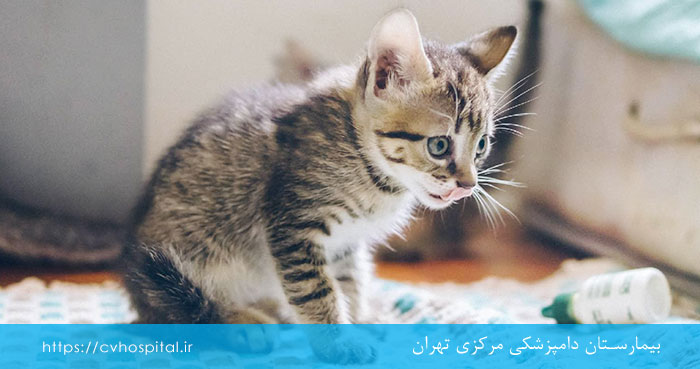
- Reduce Stress: Cat stress can arise from environmental changes, cohabiting with other cats, exposure to street cats, or unsuitable resource locations (for example, litter box). Using a pheromone diffuser like Feliway can be beneficial.
- Feeding with Wet Food: If you are feeding only dry food, consider adding canned or pouch food to the diet. You can also add a bit of water to dry food if the cat accepts it.
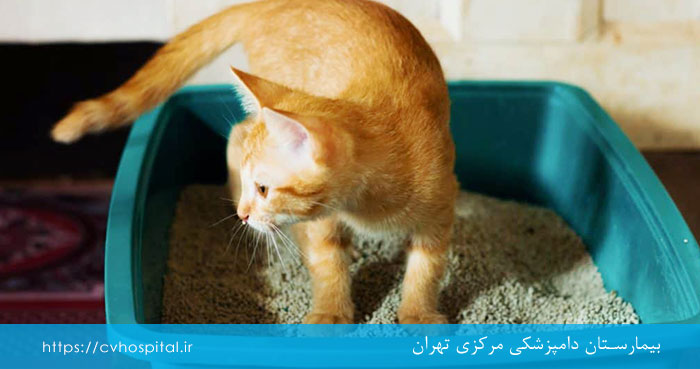
- Keep the Litter Box Clean: Empty it twice a day and clean it thoroughly at least once a week. The box should be large, located in a quiet place, and away from food and water.
- Maintain a Healthy Weight: Obesity increases the risk of cystitis and urinary infections. Daily exercise and environmental enrichment for cats are recommended.
Why is There Blood in My Cat’s Urine?
Seeing blood in your cat’s urine can be very concerning. The presence of blood (hematuria) should be promptly evaluated by a vet; however, it is often treatable. This condition is relatively common, and for female cats, some underlying causes are more prevalent. Possible causes of blood in the urine include:
- Feline Idiopathic Cystitis (FIC)
- Urinary Tract Infections (UTIs)
- Urinary Crystals and Stones
- Bladder Tumors
- Kidney Disease in Cats (less common)
Note: Sometimes, blood in the urine may not be visible to the naked eye, and the urine color can vary from brown to orange or red.
Why Does My Cat Urinate Outside the Litter Box?
If your cat’s urination pattern has changed and it is frequently urinating outside the litter box, there may be several reasons at play. For an accurate assessment, be sure to consult with a vet. Common reasons include:
- Medical issues such as FIC or urinary infections
- Stress (environmental change, lack of good interaction with other pets)
- Litter box issues (shallow depth, inappropriate material, odor or cleanliness, inappropriate location)
When changing the litter box, first introduce the new box and allow the cat to get used to it, then remove the previous one.
Conclusion and Final Tips
The issues mentioned in the article about urinary problems in cats are considered veterinary emergencies, and if such symptoms are observed, an immediate visit to the veterinarian is necessary. In general, any cat that shows significant changes in its urination pattern, whether it’s increased urination or signs of straining or difficulty, should be examined by a veterinarian promptly to prevent serious complications. For consultation and appointment booking, contact our team at the Central Veterinary Hospital at the phone numbers listed on the website.
Frequently Asked Questions
What type of food is suitable for preventing urinary problems in cats? Cats that are prone to urinary problems should be fed special diets such as Hill’s C/D or Royal Canin Urinary SO. Increasing water consumption is also very important, which can be done by using canned food, cat water fountains, or adding water to dry food.
Why does my cat urinate outside the litter box? This issue can have various reasons, including urinary infection, bladder inflammation, stress, or even dissatisfaction with the type or location of the litter box. In such cases, the first step should be to see a veterinarian to check for physical issues. If no medical factors are found, the problem might be resolved by changing the location of the litter box, using appropriate textured and scented litter, and keeping it consistently clean.
At what age do kittens start using the litter box? Kittens generally begin using the litter box naturally between 3 to 4 weeks old, imitating their mother or other nearby cats. A kitten without a mother should also be encouraged similarly.
Why don’t kittens use the litter box? Kittens typically start learning to use the litter box at a few weeks old, but they may need guidance. Using a low-sided litter box, placing the kitten in the litter after eating or sleeping, and avoiding punishment usually helps the kitten gradually get used to it.