






Toxoplasmosis in cats is one of the most common parasitic diseases caused by the Toxoplasma gondii parasite. Its prevalence in domestic and wild cats occurs through contact with contaminated feces and the consumption of raw meat contaminated with the Toxoplasma parasite. This parasitic disease can be transmitted to humans, but with a specific treatment plan, it can be easily treated. Identifying preventive measures can help reduce its significant spread among humans and cats. The following details the symptoms, treatment methods, and prevention of the disease comprehensively.
What is Toxoplasmosis?
Toxoplasmosis is spread by a single-celled parasite called Toxoplasma gondii, which resides in raw animal meat and can easily settle in the lungs, liver, and target the body’s immune system upon consumption. This parasitic disease is transmitted from cats to humans and can quickly establish itself in the human body. Contact with cats infected with this parasite is recognized as one of the primary reasons for contracting this disease, but consuming raw meat can also be a significant cause of human infection with toxoplasmosis. In the case of a cat being infected with this disease, its body becomes resistant to the Toxoplasma parasite, and in subsequent infections, it does not show clinical symptoms. The parasite produces oocysts in the digestive system, which can be found in large numbers in the cat’s feces three to ten days after infection. The shedding of oocysts, which is the main factor for infection, continues 10 to 14 days after the first shedding. The oocysts cannot be infectious in the first 24 hours, but after sporulation, they can enter the bodies of animals and humans. Oocysts can survive in soil and water for about one year.
Symptoms of Toxoplasmosis in Cats
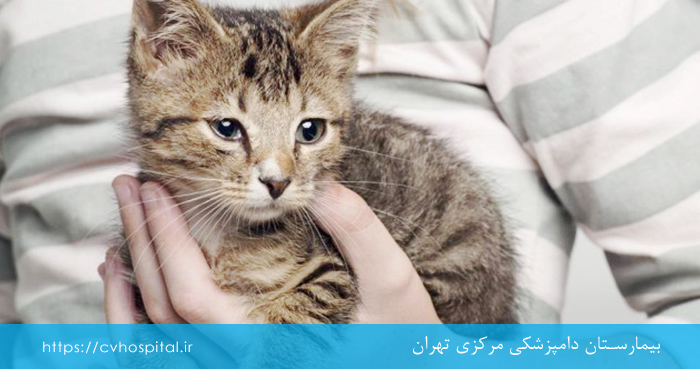
Toxoplasmosis in cats does not present specific clinical symptoms, and generally, the symptoms it causes in infected cats are similar to other parasitic diseases. However, the most common symptoms include lethargy, loss of appetite, and fever. It is worth noting that the location of the cat parasite can affect the emergence of specific symptoms. The presence of the parasite in the lungs leads to difficulty breathing and pneumonia. Its settlement in the liver causes jaundice in the skin and eyes of the cat. Additionally, if the parasite affects the eye, ocular toxoplasmosis occurs, with acute symptoms including sensitivity to light, enlarged pupils, and even blindness. If toxoplasmosis affects the central nervous system of cats, it can cause the cat to spin around, shake its ears, be sensitive to touch, have seizures, and experience difficulty swallowing, among other symptoms.
Symptoms of Cat Parasite in Humans
Upon transmission of the Toxoplasma parasite to the human body, the immune system suffers significant damage. Symptoms of cat parasite in humans include fever, headache, swollen lymph nodes, sore throat, muscle pain, shortness of breath, and inflammation of the brain. Ocular toxoplasmosis can also occur in humans, leading to blurred vision, eye inflammation, pain, and light sensitivity. Pregnant women or those who are about to get pregnant should avoid contact with cats as a preventive measure against specific diseases like toxoplasmosis. If pregnant women contract this disease, it can be transmitted to the fetus, causing mental retardation in children and severe eye damage after birth. Additionally, individuals with weakened immune systems are highly vulnerable to this parasite and may experience a difficult and prolonged treatment process.
Treatment Options for Toxoplasmosis
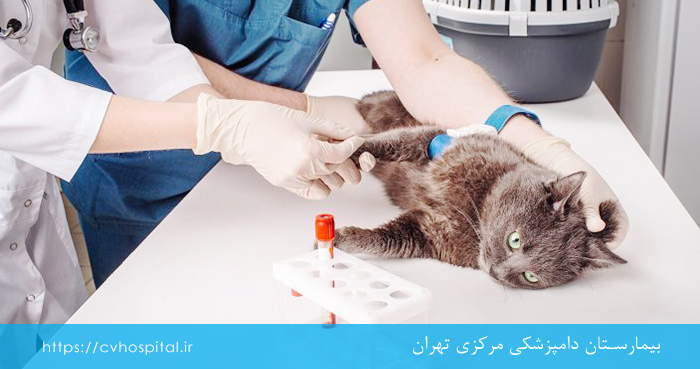
Specific medications are used to treat toxoplasmosis in cats, with clindamycin and corticosteroids being among the most important. Treatment for this illness begins upon the observation of the first clinical symptoms. The duration of treatment for toxoplasmosis in cats depends on the severity of the infection, lasting at best for 14 days. However, treatment should continue for a few days after the disappearance of clinical symptoms.
Toxoplasmosis and lymph nodes in humans are interdependent and should be considered in treatment. Treatment of toxoplasmosis in humans is carried out using antiparasitic medications and corticosteroids, with the doctors evaluating the site of the parasite’s accumulation in the body and assessing the patient’s clinical symptoms to establish a specific treatment plan.
How Toxoplasmosis is Diagnosed in Cats
This disease cannot be accurately diagnosed based on clinical symptoms alone and requires laboratory tests for precise diagnosis. Testing for two important antibodies in the cat’s body can identify infections caused by toxoplasmosis. If a test shows a high level of IgG antibody, it indicates that the cat was previously infected with the Toxoplasma parasite and will not shed oocysts in case of a reinfection. However, if the IgM antibody level is high in the cat’s blood, it indicates a current infection, which is generally accompanied by clinical symptoms, and oocyst shedding occurs following the infection. The presence of oocysts in the cat’s feces does not necessarily indicate a toxoplasmosis infection, as other parasites can also initially be present in feces in the form of oocysts. If Toxoplasma oocysts begin to sporulate, it becomes possible to identify them through laboratory tests.

Methods of Transmission for Toxoplasmosis
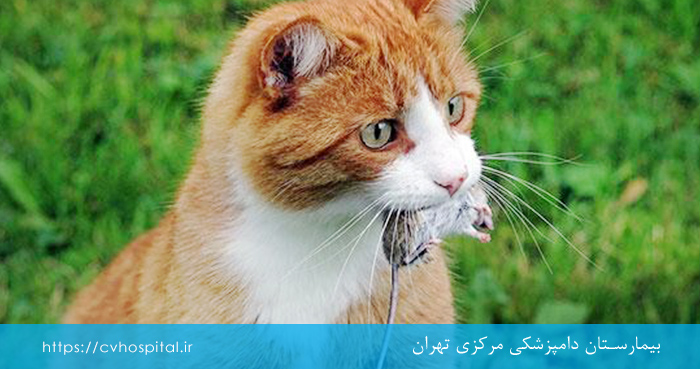
The consumption of raw meat contaminated with this parasite (such as lamb, beef, fish, etc.) is recognized as one of the main methods of transmission of toxoplasmosis in cats. However, contact with and even consumption of feces contaminated with sporulated Toxoplasma oocysts can lead to infection in both humans and cats.
Prevention of Cat Toxoplasmosis
To prevent the spread of toxoplasmosis in cats and humans, it is essential to seriously consider the following measures:
- Prevent feeding raw meat to cats.
- Avoid consuming undercooked meat by humans.
- Avoid jumping…
- Prevent cats from being in human and livestock food production facilities.
- Collect cat litter after defecation (within a maximum of 24 hours) to avoid the spread of oocyst spores.
- Avoid handling cat feces without gloves.
- After cutting raw meat, thoroughly wash hands and cutting boards with warm water and detergent.
- Avoid consuming washed vegetables and fruits.
- Prevent pet cats from roaming outside unsupervised.
- As a precaution, avoid contact between children and pregnant women with stray cats.
- Pregnant women should refrain from cleaning the cat litter box.
Final Words
Toxoplasmosis in cats is caused by the consumption of raw meat and exposure to feces contaminated with Toxoplasma oocysts. Symptoms include eye sensitivity, fever, loss of appetite, and shortness of breath, which should be tested. Human infection occurs through the care of cats or contact with contaminated litter and cat items. Treatment options for this disease in cats and humans involve specific medications prescribed by a doctor.
Frequently Asked Questions
What is cat toxoplasmosis? It is a parasitic disease that is common between humans and cats, caused by the Toxoplasma gondii parasite, leading to respiratory, ocular, and central nervous system infections.
What are the symptoms of toxoplasmosis in humans? Humans infected may experience symptoms such as headaches, eye and brain inflammation, lung infections, shortness of breath, eye pain, muscle pain, and more.
Is there a vaccine for cat toxoplasmosis? No, there has been no discovered vaccine for prevention and resistance to this disease.
What are the symptoms of ocular toxoplasmosis? In this condition, the sick cat or human becomes sensitive to light, loses eye pigmentation, and may experience blurred vision and eye pain, which in severe cases can lead to blindness.
Is there a treatment for toxoplasmosis? Yes, medical treatment for this disease is used for both humans and cats.
What is the new treatment for toxoplasmosis? In modern methods, efforts are being made to find and utilize advanced medical treatments by specifically examining the genetics of the Toxoplasma parasite; this is still in the preliminary stages.
Source: Vet.cornell.edu