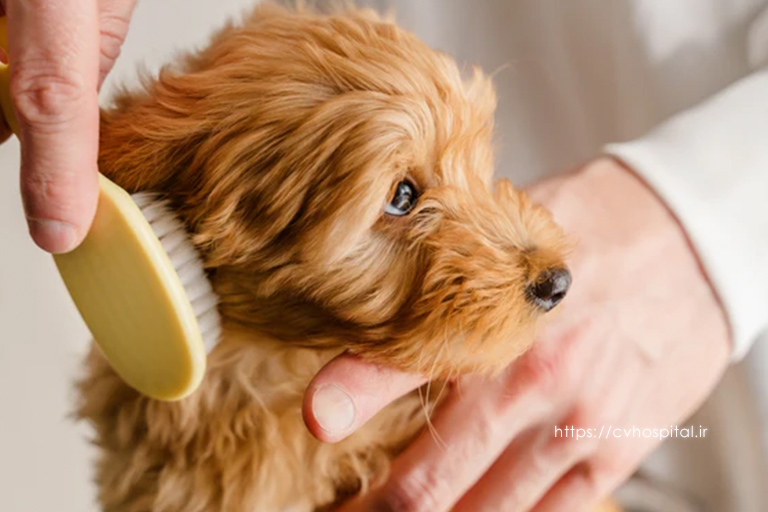






In recent decades, pet ownership, especially of apartment dogs or small breeds (Toy dogs), has seen a significant increase. These dogs have gained immense popularity due to their small size and lovable behavior. However, the rise in these dogs has also brought along some health and genetic issues that require special attention. In this article, we will examine knee and joint problems in small breed dogs and the importance of regular check-ups. 
Dog Breeds Prone to Knee Problems
Knee problems exist in all animals, but some small breeds are more susceptible to these issues due to their genetic traits. Breeds such as Pomeranians, Yorkshire Terriers, Chihuahuas, and Shih Tzus are among these breeds. These dogs can suffer from issues such as patellar luxation, cruciate ligament issues, and hip dysplasia.
Effects of Knee Problems on Quality of Life
Knee problems in small breed dogs can lead to serious damage to the cartilage and ligaments of the knee. This damage causes pain and discomfort in the animal and affects their quality of life. Without proper care and timely treatment, these issues can worsen over time and render the animal disabled.
The Importance of Regular Check-ups
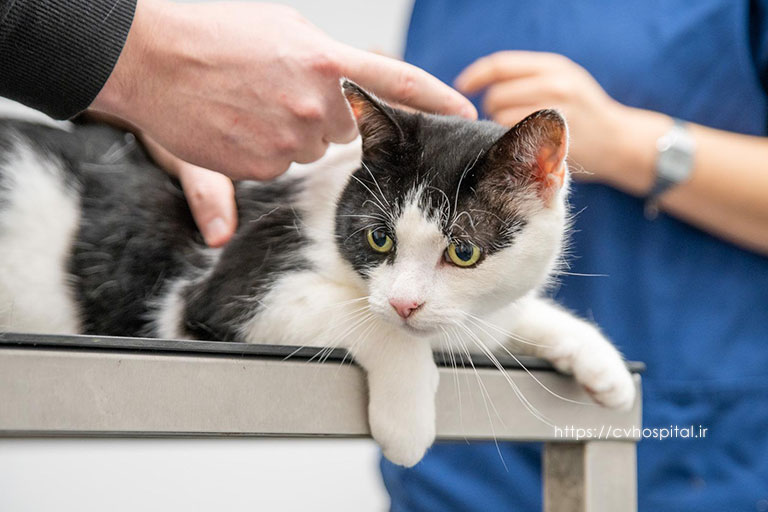
Given the high prevalence of knee problems in small breed dogs and the lack of adequate attention to this issue, promoting the importance of monthly and yearly check-ups is crucial. Guardians of these breeds should ask veterinarians to carefully examine for complications such as patellar luxation, cruciate ligament issues, and hip dysplasia.
Early Diagnosis and Prevention
Early diagnosis of knee problems can prevent the worsening of these complications. In many cases, symptoms of knee issues do not appear until later ages, but challenges increase with age. Prevention of these problems at a younger age is possible and can be achieved through surgery, non-invasive methods, and physical therapy.
Preventive and Therapeutic Measures for Knee Problems in Dogs
One of the most important preventive measures is to pay attention to the early signs of knee problems. Symptoms such as limping should not be ignored, and if observed, guardians should visit a veterinarian within 24 to 48 hours. Although it is recommended to take the animal to the veterinarian within the first 24 hours, as there may be a more serious issue such as a fracture that requires immediate surgery.  Timely treatment of knee problems can prevent more serious complications such as undue pressure on the spine and disc problems. These complications can even lead to paralysis in the animal. Therefore, regular and thorough healthcare is of utmost importance.
Conclusion
Healthcare and attention to knee problems in small breed dogs is essential and requires education and awareness. Guardians of these breeds should cooperate with veterinarians and take regular check-ups seriously to prevent the emergence of more serious problems in the future. Our veterinarians at the Central Veterinary Hospital can help save lives and alleviate the suffering of these animals with timely diagnosis and treatment.