




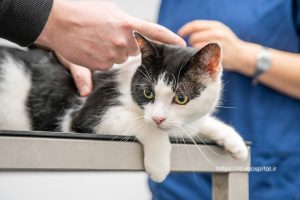


Post-operative care for pets is one of the important aspects that caregivers should pay special attention to. This care can make a significant difference in the pet’s recovery and quality of life. However, the question arises: Is there a need for post-operative care at the same treatment center or not? The answer to this question depends on the type of surgery, the health status of the pet, and the concerns of the treatment team. In this article, we will discuss the conditions and considerations that influence the decision for hospitalization or early discharge of the pet.

The Need for Hospitalization Post-surgery
- Heavy surgeries and the concerns of the treatment team: In cases where heavy and complex surgeries are performed on the pet, the treatment team may be concerned about the post-operative condition of the pet and may consider special care to reduce the risk of anesthesia for the pet. These concerns may arise for various reasons including potential risks, the need for close monitoring, and the use of specific medical equipment. In such cases, hospitalization of the pet in the hospital is essential until the treatment team is confident that the rest of the treatment process can be done at home.
- Outpatient surgeries and exceptions: Some surgeries or treatments are performed on an outpatient basis, and there is no need for the pet to be hospitalized. However, there may be exceptions where hospitalization of the pet is necessary even after outpatient surgeries. These decisions are made based on the conditions and health status of the patient. Therefore, caregivers should refrain from insisting on early discharge of their pets and allow the treatment team to make decisions based on their professional assessments.

Factors Influencing the Decision for Hospitalization
The health status of the patient: One of the main factors in the decision for hospitalization or early discharge of the pet is the health status of the patient. If the pet’s health is good and there are no problems, there may be a possibility of early discharge even after a heavy surgery. On the other hand, if the pet faces sudden issues or specific concerns, the treatment team may insist on keeping the pet hospitalized until they are completely sure of its condition.
The importance of hospitalization for the pet: Hospitalization of the pet in the hospital after surgery is not only important due to precise medical monitoring but also helps create peace of mind for caregivers and the treatment team. This hospitalization allows the treatment team to respond quickly to any issues that arise and prevent serious complications. Therefore, hospitalization costs should not be seen as an extra expense but as an investment in the health and recovery of the pet. 
Home Care After Discharge
Training and guidance for caregivers: If the treatment team decides to discharge the pet, training and guiding caregivers for home care after surgery is very important. Caregivers need to become familiar with proper care methods, how to administer medications, suitable nutrition, and monitoring vital signs to provide the best care for their pets. Follow-up and consultations after surgery: After the discharge of the pet, follow-up and regular visits to the treatment center for evaluating the pet’s recovery status are essential. These visits enable the treatment team to identify any changes in the pet’s condition and take necessary actions. Additionally, these follow-ups give caregivers assurance that their pet is on the right recovery path. 
Summary
Post-operative care for pets is of special importance, and decisions regarding hospitalization or early discharge should be made with careful consideration of each pet’s specific circumstances. Hospitalization after surgery allows the treatment team to have closer monitoring of the pet’s condition and prevent serious complications. It also gives caregivers the peace of mind that their pet is in the best possible condition.
On the other hand, in cases where surgeries are outpatient and the pet’s health status is favorable, there are options for home care after surgery. In these cases, training and guidance for caregivers on proper care at home are very important. Ultimately, the main goal of post-operative care is to ensure the health and complete recovery of pets. Caregivers should listen to the recommendations and guidance of the treatment team and work closely with them to achieve the best possible outcome for their pets. If you have any questions regarding the surgery and hospitalization of your pet, please contact the numbers listed on the website to get guidance from our colleagues at the Central Veterinary Hospital.