Sterilizing household pets is one of the most important care requirements for pets, affecting various aspects of their lives, not just their reproductive abilities. Ignorance and also misconceptions surrounding this topic have led many guardians to consider spaying or neutering household animals as an intervention in nature and to refrain from taking action for this reason. If you are responsible for a pet, we suggest you continue reading this article to learn about the benefits of this procedure.
What does sterilization mean?
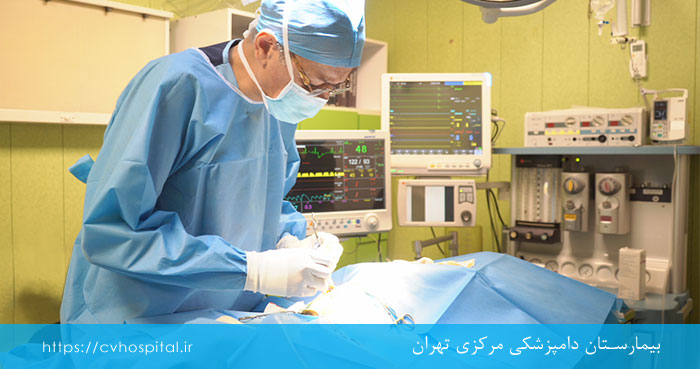
Sterilization of household animals is a method to stop their reproduction and sexual desire. This procedure is performed under general anesthesia during a surgical operation. During the sterilization of a female animal, the uterus and ovaries are removed, while in the process of sterilizing a male animal, the testicles are removed. This article discusses sterilization of animals in general, but if your pet is a cat or a dog, please refer to the specific articles on cat sterilization and dog sterilization at the Central Veterinary Hospital for more detailed and specialized information.
Is sterilizing household animals an intervention in their nature?
Intervention in the nature of household animals is one of the most controversial topics regarding this decision. It should be noted that we have domesticated these animals and removed them from nature, and they now live under different conditions. Despite modern care, household pets generally have a longer lifespan than wild animals but are more susceptible to various diseases. In these circumstances, sterilization is considered the most effective way to prevent infections and cancers resulting from the activity of sexual glands.
Benefits of sterilizing household animals
The benefits of sterilizing animals are numerous, but the main advantage of rendering them infertile is preventing pregnancy. This occurrence not only involves the risks associated with pregnancy and childbirth but also entails financial costs for the pet owner. However, this advantage is just one of the many benefits of sterilizing animals. In this section, we will explain other positive effects of this decision.
Reducing maintenance costs
Sterilization reduces maintenance costs for pets, such as unwanted pregnancies and the care of female animals and their litters. Generally, the health conditions of sterilized animals are better, and thus medical expenses are significantly reduced.
Preventing the transmission of genetic defects
Genetic defects can manifest in various forms in animals. Some of these defects include joint problems such as pelvic deformities or hip dysplasia. This issue is usually common in specific breeds and can lead to limping and severe pain in the animal. These disorders are often hereditary, and sterilization prevents their transmission.
Increasing lifespan
Numerous studies have shown that sterilizing a pet reduces various risks, which allows them to live longer. Considering the emotional dependency on pets and how guardians love them like family members, one reason for sterilizing household animals is to increase their lifespan.
Reducing the risk of sexually transmitted diseases, tumors, and cancers
Many diseases are transmitted through mating between animals; therefore, sterilization is recommended to eliminate the risk of such diseases. Additionally, if the activity of glands and sexual organs continues, the likelihood of developing various cancers increases.
Helping to improve animal behavior and calming aggressive behavior
According to observations, aggressive behavior in sterilized animals tends to decrease. Behaviors such as marking territory with urine or running away to mate are common in animals that have not been sterilized. It’s important to note that if there is a delay in sterilizing household animals and they age, these bad behaviors can become habitual and continue even after surgery. Therefore, by sterilizing animals, especially males, aggression problems can be effectively managed.
Preventing estrus
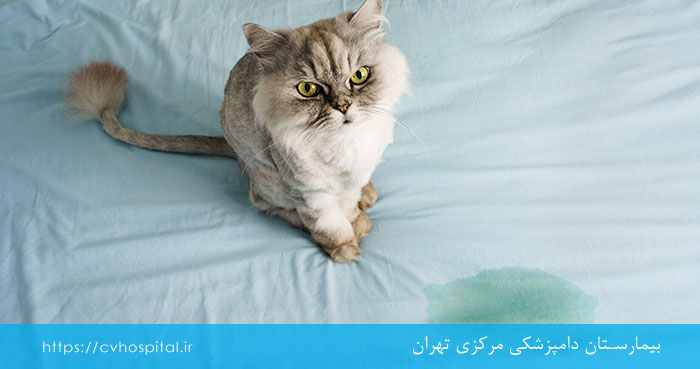
Just as sterilization helps control male aggression, it also has numerous benefits for females, such as managing estrus. Estrus is a period during which the female is physically ready to become pregnant. This condition alters her behavior and is one of the main reasons for sterilization. During this period, the animal makes disturbing noises; it may also urinate outside of its litter box. One hazardous behavior of females during this time is the attempt to escape and mate.
Controlling the population of stray animals
Controlling an animal with increased sexual desire is very challenging, especially during walks; it may lead to mating with stray animals. With this occurrence, not only is your pet exposed to various diseases, but the population of stray animals may also increase. Therefore, sterilization prevents this problem.
Sterilizing females to eliminate the menstrual cycle
Female animals experience bleeding during a phase of their reproductive cycle, requiring more care and attention during this time. The menstrual cycle also affects the behavior and temperament of female animals, leading to increased urination, distraction, and irritability. Sterilization can resolve this issue.
Controlling the sensation of pseudopregnancy
One common condition that some female animals experience during the breeding season is pseudopregnancy or the sensation of being pregnant. This condition can lead to a decline in the pet’s energy and mood; however, fortunately, it does not occur after sterilization.
Side effects of sterilization
In addition to the numerous benefits of sterilizing household animals, this surgical procedure has some minor negative consequences that awareness of them can help you make the right decision or manage these side effects to some extent. Some of the side effects include…
Weight Gain
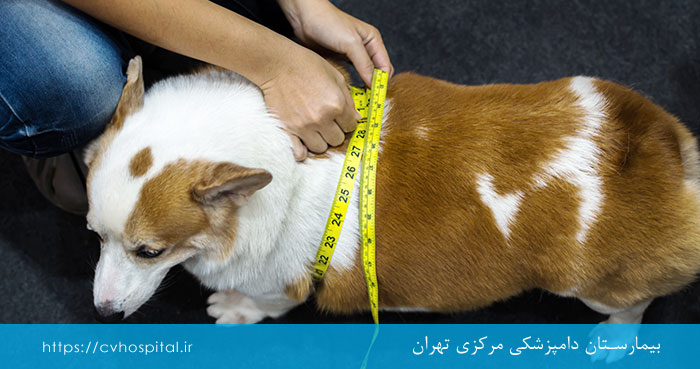
After neutering and removing the sexual organs, changes occur in the metabolism of the animal’s body. In the new situation, your pet requires fewer calories and if you do not change its diet, it may become overweight. To prevent or treat obesity after neutering, consult with our veterinarians at the Central Veterinary Hospital.
Weight gain after neutering the animal
Irreversibility
As a result of the neutering procedure, once the organs related to reproduction are removed from your pet’s body, it will become permanently infertile; therefore, if you wish for your pet to reproduce, postpone this surgery.
Urinary Incontinence
The condition of urinary incontinence occurs in less than 3% of female animals. According to research in this area, animals that were under 6 months of age during surgery were more likely to develop this condition. It is advisable to consider the veterinarian’s recommendations before proceeding with this procedure.
Optimal age for neutering the animal
Best Age for Neutering Pets
The appropriate age for this surgery varies in each animal depending on its type and breed, and it should be determined by consulting a veterinarian. Generally, ages between 6 months to 2 years are suitable for neutering pets. Another recommendation in this regard is to neuter the pet before its first heat to minimize hormone exposure and reduce the risk of cancer.
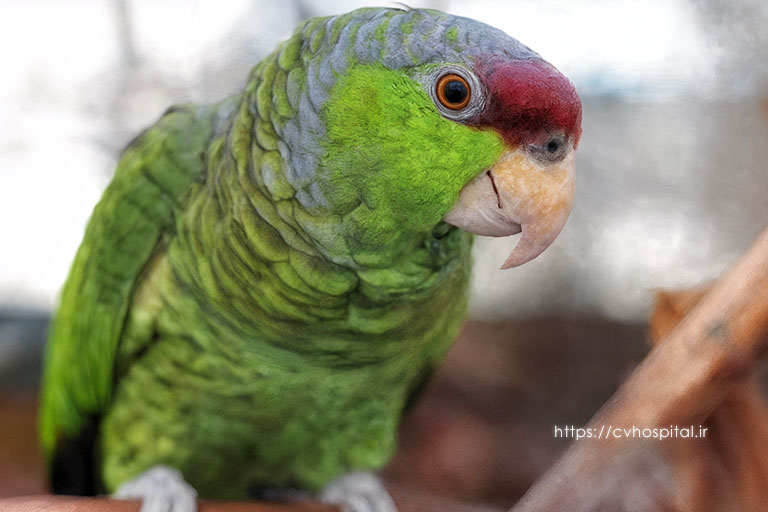
Do Birds Need to be Neutered?
Neutering is not just for mammals; bird owners may also decide to make their birds infertile. Below are some reasons for neutering birds.
Excessive Egg-Laying:This behavior in birds has many complications and can lead to issues such as infection, calcium deficiency, and even death of the bird. By neutering the female bird, it will be protected from these complications.
Overpopulation: Continuing to breed birds can quickly lead to an unmanageable increase in their numbers, making care and management difficult.
Aggressive Behavior:Female birds can become aggressive during egg-laying and harm other birds.
Neutering a bird
Methods of Neutering Birds
Two methods are used to make birds infertile: surgical and hormonal, which are described below.
Surgical: In the surgical neutering method for birds, the ovaries and uterus are removed to stop egg-laying. This method requires full anesthesia, and the recovery period after neutering will be one week.
Hormonal: In this method, oral or injectable medications are used to make birds infertile. This option has fewer complications compared to surgery, and more clients prefer this method.
Post-neutering care for the animal
How is Animal Neutering Done?
To ensure that your pet achieves the best results, experiences the least complications, and has an easier recovery, you should pay attention to important points in the stages of neutering your pet.
Pre-Neutering Preparations
When you decide to neuter your pet, you should visit the veterinarian for the necessary tests before the surgical procedure of the animal like blood tests. In this test, the animal’s readiness and the appropriate anesthesia medication will be determined. Additionally, it is better not to feed your pet for about 8 to 10 hours before surgery because anesthesia can cause nausea.
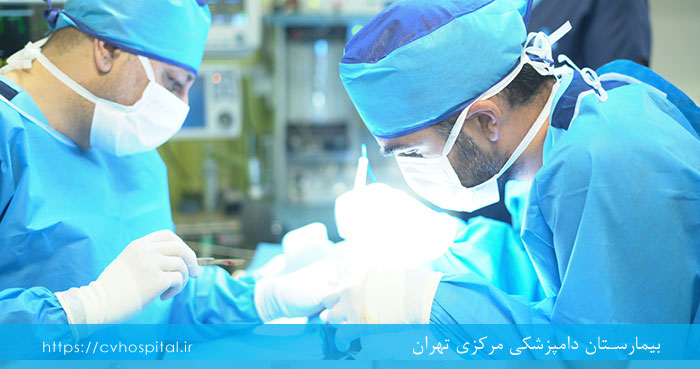
Surgical Procedure
During this surgery, depending on the veterinarian’s recommendation and the owner’s decision, either all or part of the reproductive system may be removed. If only part of the sexual organs is removed, the pet may develop hormonal imbalances in the future. However, complete removal of the reproductive system eliminates the risk of many diseases.
How is the neutering surgical procedure done? Post-Neutering Care After the neutering surgery, post-surgery care for the animal is of special importance:
It is better not to feed or offer water for 2 to 3 hours. Then, for one day, prepare only light and soup-like food for the animal.
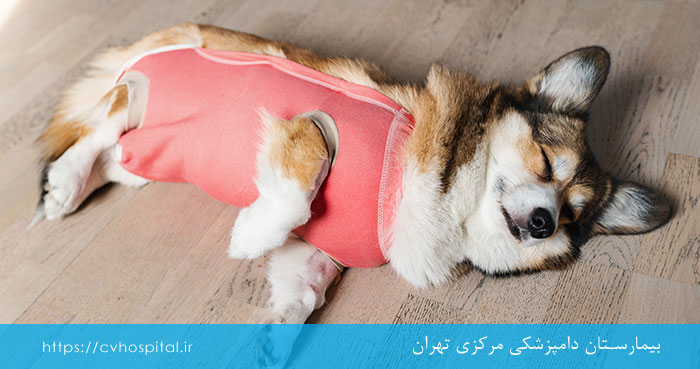
Rest after surgery and limit the area where it is kept; for example, placing the pet in a box to prevent excessive movement.
Check the surgery site daily.
Record urination and defecation until the wound heals and the pet returns to normal.
If you notice any unusual difficulties in urination or defecation, inform the veterinarian.
To prevent the animal from licking the surgery site, use an Elizabethan collar (Elizabeth collar).
In the first days after surgery, the animal will experience significant pain; therefore, regularly administer the pain relief and sedative medications prescribed by the veterinarian.
Emergency Situations That Require Quick Veterinary Attention
Within 24 hours after surgery, a small amount of blood discharge and redness at the site is normal. However, if you observe any abnormal situations such as the following, inform your veterinarian:
Bad odor
Unusual swelling
Abnormal redness
Bruising
Discharge of pus
Opening of stitches and incision site
Complete healing of the wound takes 10 to 14 days. After this period, you can return for suture removal. Of course, the exact durations on the veterinarian’s opinion. It is better to coordinate the time for stitch removal with the veterinarian after the surgery and before discharge from the hospital. Suitable food for neutered animals
Neutering Price List
One of the most important factors to consider before adopting a pet is the costs of maintenance and veterinary care, including neutering costs. The most important point to know in this regard is that the cost of neutering pet animals does not have a uniform tariff and varies depending on the type, gender, and size of the animal (for example, this cost is higher for female animals). Various neutering surgical services for each animal are discussed in the articles linked at the beginning of this post, which you can refer to, or you can call the numbers listed on the site to find out the exact rates.
Comparison of Neutering Male and Female Animals
Neutering is necessary for both male and female animals. While neutering female animals prevents unwanted pregnancies and complications such as pyometra (uterine infection) or mammary tumors, neutering male animals also prevents testicular cancer, prostate diseases, and reduces risky behaviors such as running away, aggression, and urine marking.
Final Thoughts
Neutering pet animals has more benefits for your pet and the community than you might think, in addition to preventing many physical problems. The risk of neutering animals is very low, but to ensure that the surgery goes well and your pet experiences minimal or no complications from neutering, pay attention to the veterinarian’s recommendations before and after neutering your pets. For consultation and to schedule a neutering surgery for your pets, call the numbers listed on the site.
Frequently Asked Questions
What are the benefits of neutering animals? Neutering has many advantages, including reducing the likelihood of reproductive diseases, decreasing undesirable behaviors such as aggression and running away from home, preventing overpopulation of animals, and increasing the lifespan of the animal.
Does neutering surgery hurt pets? Neutering is a surgical procedure performed under general anesthesia, so the animal does not feel any pain during the operation. After the surgery, there may be some pain or discomfort for the animal, which is managed with prescribed pain medications. In most cases, the animal quickly returns to its normal state.
What is the appropriate age for neutering animals? The best time to neuter pet animals is between 6 months and 2 years of age. At this age, the risks of surgery are lower. However, neutering can also be performed at older ages. It is better to carry out this procedure before sexual maturity.
Does neutering affect the animal’s behavior? Neutering can have an impact on some behaviors of animals. For example, neutered animals typically show less inclination to run away, exhibit aggression, and display sexual behaviors. This procedure can help improve social behavior and reduce tensions related to reproduction. However, behavioral changes vary from one animal to another and depend on various factors.








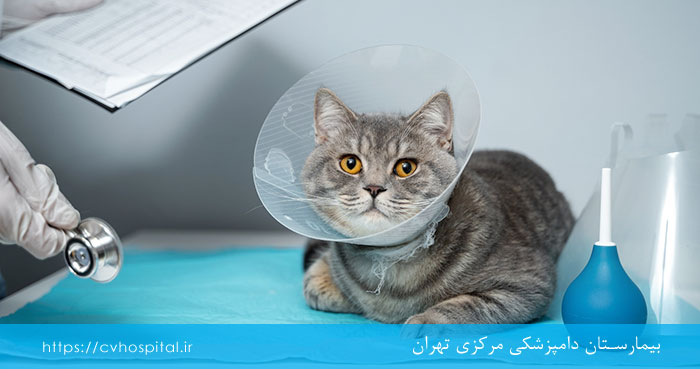 Optimal age for neutering the animal
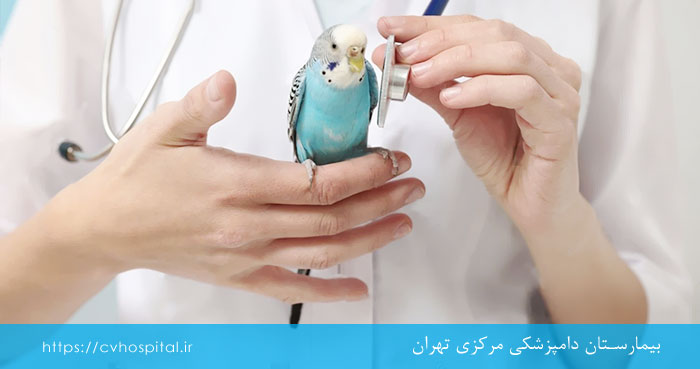 Neutering a bird
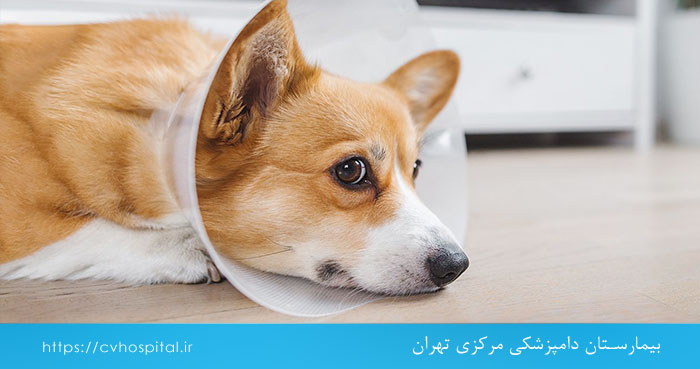 Post-neutering care for the animal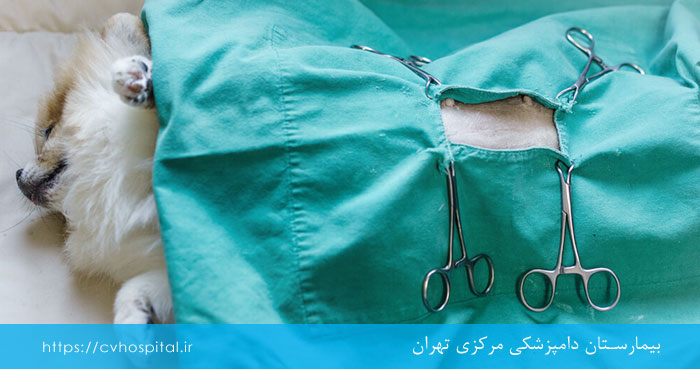
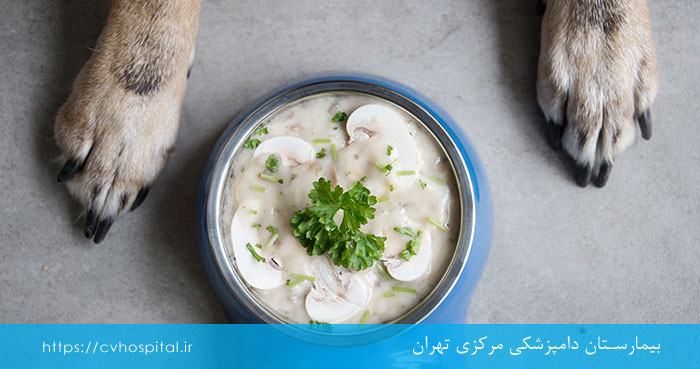 Suitable food for neutered animals