




Feline panleukopenia virus (FPV), also known as “feline infectious enteritis,” is a serious and highly contagious disease in cats that can affect them at any age. In this article, we will guide you through everything you need to know about its symptoms, transmission methods, and treatment options. Whether you are looking to protect your cat or are caring for a cat that may have been exposed to the virus, understanding FPV is vital for maintaining your cat’s health.
What is feline panleukopenia in cats?
Feline panleukopenia, also known as feline distemper, is a dangerous disease caused by a parvovirus that severely affects a cat’s immune system. This disease is particularly harmful to kittens, as it destroys blood cells (especially white blood cells) and weakens their ability to fight infections. The virus is still present in households with unvaccinated cats or in environments with multiple cats, such as shelters. The virus can cause severe illness, and if a pregnant cat becomes infected, her kittens may be born with brain damage. Intravenous fluids and nursing care are often required for infected cats, along with supportive treatment with fluids. Vaccines are available to protect both adult cats and kittens, and vaccination is crucial for every cat.  What is feline panleukopenia in cats?
Cause of feline panleukopenia
Feline panleukopenia (FPL) is caused by a virus from the parvovirus family called feline panleukopenia virus (FPLV). A similar but distinct virus causes parvovirus disease in dogs. Parvoviruses are very hardy viruses and are only eliminated by strong disinfectants including household bleach 2 percent. Panleukopenia can survive in some environments for a year or more.
Which cats are at risk for feline panleukopenia?
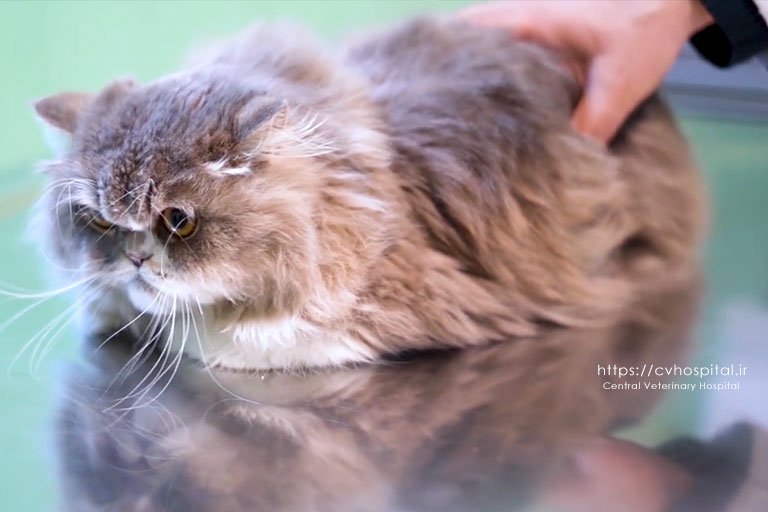
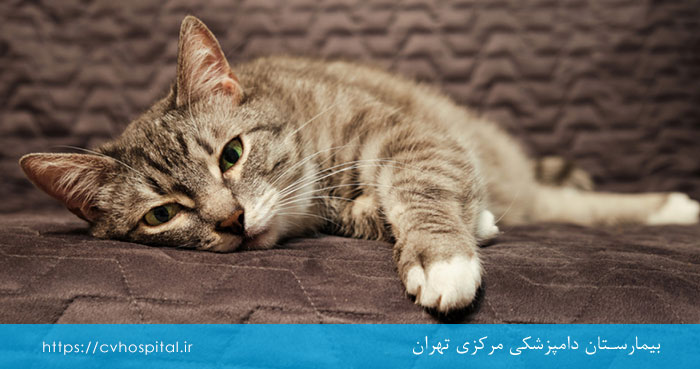
Feline panleukopenia (FPV) or feline parvovirus attacks the immune system by destroying white blood cells. This virus is spread in the surrounding environment, meaning that nearly all cats and kittens are exposed to it at some point. Cats of any age can contract panleukopenia, but the disease is more dangerous for young kittens, sick cats, and unvaccinated cats. Cats that are only a few days old are at high risk, and affected cats usually require treatment with intravenous fluids and intensive nursing care. Breeds such as Siamese, Persian, and Bengal may be at higher risk due to genetic factors. This virus can cause severe illness, but vaccines are available to protect kittens and adult cats. Vaccination is essential to build immunity and prevent the severe consequences of this dangerous virus.  Cat infected with panleukopenia
How is panleukopenia transmitted?
Infected cats can transmit feline parvovirus (FPV) through feces, urine, and nasal secretions. Susceptible cats may become infected by contact with these bodily fluids, the infected cat itself, or even flea bites from an infected cat. Additionally, pregnant cats can transmit the virus to their fetuses. Other sources of contamination include items that have become contaminated with the virus, such as:
- Cat blankets
- Litter boxes
- Cat beds
- Cat toys
- Hands or clothes of people who have touched the infected cat
- Food bowls
- Cat collars
- Grooming brushes and combs for cats
The virus spreads rapidly, especially among kittens, and vaccination is very important to protect against this dangerous disease. The incubation period from infection to the appearance of clinical symptoms is usually three to five days and rarely exceeds one week.
Clinical symptoms of panleukopenia
Cats infected with feline parvovirus (panleukopenia or feline distemper) may not show visible symptoms. However, you should watch for the following symptoms in the infected cat:
- Cat vomiting
- Cat diarrhea that is watery, possibly with blood
 Symptoms of panleukopenia in cats
- High fever in the early stages
- Loss of appetite
- Lethargy and signs of anxiety
- Abdominal pain
- Dehydration
- Rapid weight loss and emaciation
- Difficulty breathing
- Weakness or drooping
Kittens that are only a few days old are particularly at risk, and this virus can severely affect their health. If you see any of the above symptoms in your cat or kitten (especially in newborns), contact your veterinarian immediately. The veterinarian may ask you to wait in your car to prevent the disease from spreading to other cats. Since feline parvovirus is highly contagious, it is essential to ensure your cat is fully vaccinated to protect against this deadly disease. Vaccines are available to protect cats. Cats typically experience depression or lethargy that may worsen. Often, cats infected with panleukopenia become infected with other illnesses due to their weakened immune systems. They may have purulent (green/yellow) discharge from their eyes and nose. Sometimes, the only clinical sign in severely infected young kittens is sudden death.  Treatment for cats infected with panleukopenia
Is panleukopenia treatable?
While there is no definitive cure for feline parvovirus (panleukopenia or feline distemper), your veterinarian can manage your cat’s symptoms during the recovery period. Treatment may include the following:
- Fluid therapy to treat dehydration due to lost fluids from vomiting and diarrhea
- Antibiotics to treat secondary bacterial infections
- Intensive nursing care
“`html
- If the illness is severe
Since this virus is highly contagious, if you have more than one unvaccinated cat at home, you should notify your veterinarian as the risk of transmission is high. If your cat has contracted a milder form of the disease, the vet will instruct you on how to care for them at home. During this time, isolating the infected cat from other cats (especially kittens) is crucial, and you should wash your hands thoroughly after handling the cat and clean surfaces. Vaccination is key to preventing the spread of this highly contagious virus.
- The duration of treatment for panleukopenia in cats depends on the severity of the illness, the age of the cat, and the response to treatment. With timely and successful treatment, recovery usually takes several days to a few weeks.
How can I prevent my cat from contracting parvovirus?
To protect your cat against feline parvovirus, follow these steps: Vaccination: The most effective way to prevent feline parvovirus is to vaccinate your cat. Kittens should begin their vaccinations at 6 to 8 weeks of age and receive booster doses according to the veterinarian’s schedule. Adult cats also require regular booster shots. Kitten vaccines are administered every three to four weeks until they reach 16-20 weeks of age and are given at least once a year after that. Cats and kittens over 16 weeks also need an initial series of two vaccinations spaced three to four weeks apart. For more information, click on the article link 3-in-1 Cat Vaccine. Limiting contact: Keep your cat indoors or limit their contact with other cats, especially unvaccinated ones. This is particularly important in places where the virus may be present, such as shelters, boarding facilities, or areas with stray cats. Hygiene: Regularly clean and disinfect your cat’s living area, including the litter box, food and water stations, and bedding. The virus can survive in the environment for a long time, so cleanliness is key. Quarantine new cats: If you are bringing a new cat into your home, make sure it is vaccinated and healthy before it has contact with other cats. Keep it separated until its vaccination status is confirmed. Regular veterinary check-ups: Take your cat for regular check-ups with the veterinarian to ensure their overall health and up-to-date vaccinations.
- By following these steps, you can significantly reduce your cat’s risk of contracting feline parvovirus.
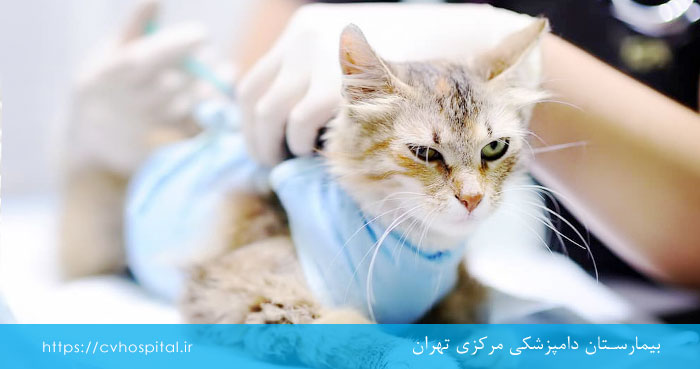
Vaccine to prevent panleukopenia The immunity produced by the panleukopenia vaccine is generally strong, but may diminish over time and more rapidly in some cats than others. Therefore, booster vaccinations every one to three years are highly recommended. The veterinarian will discuss the appropriate frequency of booster vaccinations based on your cat’s lifestyle.
Does the panleukopenia vaccine have side effects?
Modern panleukopenia vaccines are safe, and side effects are very rare. However, like all vaccines, some cats may be lethargic for one or two days after receiving the injection. A more severe allergic reaction, known as anaphylactic shock, may occur due to an individual’s specific sensitivity to one or more components of the vaccine (rarely). Such severe reactions, if they occur, usually happen within minutes after vaccination but can be delayed for hours in some cats. If you observe signs such as difficulty breathing, facial swelling, or any other signs of distress, contact your veterinarian immediately.
How is panleukopenia in cats diagnosed?
Feline panleukopenia (feline parvovirus or distemper) is diagnosed using a combination of the following methods: Clinical signs and medical history: The veterinarian assesses the cat’s symptoms such as vomiting, diarrhea, lethargy, fever, and anorexia, and reviews its vaccination history. These symptoms can particularly suggest panleukopenia in unvaccinated kittens. 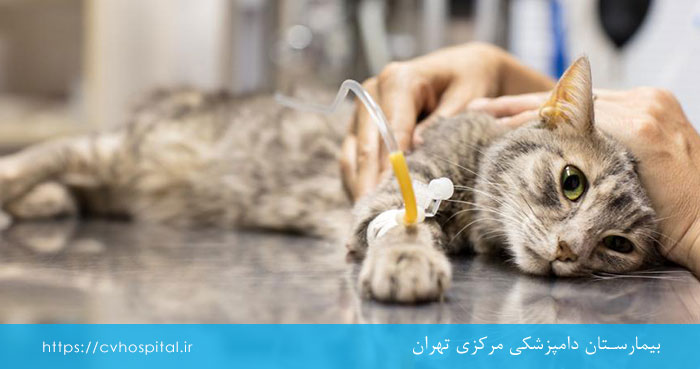 Diagnosis of parvovirus in cats Blood test: A reduction in white blood cells (leukopenia) is a common indicator of feline panleukopenia, which weakens the cat’s immune system. Animal blood tests are useful for diagnosing a decrease in white blood cells. Stool test: The veterinarian may perform a stool test to check for the presence of the panleukopenia virus in the cat’s feces. PCR test: Sometimes polymerase chain reaction (PCR) testing is used to identify the virus’s genetic material. This method is more sensitive and can detect the virus even in the early stages. Imaging: In severe cases, the veterinarian may use methods such as radiography to check for intestinal damage caused by the virus, as panleukopenia can destroy the inner lining of the intestines.
- Early diagnosis is essential for treatment, so if you suspect your cat may have panleukopenia, contact your veterinarian immediately.
Key points
- Panleukopenia in cats, caused by the feline parvovirus, is a highly contagious and often deadly viral disease.
- Most infections are asymptomatic, but when symptoms occur, they usually include high fever, severe lethargy, and loss of appetite. Vomiting is common, and some cats may experience diarrhea, though bloody diarrhea is less frequent.
- Diagnosis is based on clinical signs such as reduced white blood cells (leukopenia), especially in kittens that are not properly vaccinated. Fecal antigen detection kits used for the parvovirus in dogs can also be used for feline parvovirus detection, showing moderate sensitivity and high specificity.
- Treatment consists of supportive care with fluids, electrolytes, glucose, anti-
“`
Vomiting, antibiotics, and anti-parasitic medications. Vaccines are very effective in preventing both types of parvovirus (canine and feline).
- In this article, we discussed feline panleukopenia and examined its causes, symptoms, and treatment; if you still have any ambiguities about this disease or if a question has been on your mind, you can contact the numbers provided on the site and discuss it with the veterinarians in the internal department of the central veterinary hospital.
Frequently Asked Questions
Is feline parvovirus treatable?
No, the virus is not treatable, but supportive care can help improve the cat’s condition. This treatment includes fluids. Medication for panleukopenia is also useful to manage symptoms and antibiotics to prevent secondary infections. Early care increases the chances of survival, but the best prevention is vaccination.
How long can a cat infected with parvovirus survive?
The lifespan of a cat depends on the severity of the infection and the speed of treatment initiation. Without treatment, the virus can be fatal within 24 to 48 hours of severe symptoms appearing. However, with prompt and intensive care, some cats recover within a week. Kittens and unvaccinated cats are at greatest risk, and early intervention is vital for survival.
What are the early symptoms of panleukopenia in cats? Early symptoms include high fever, lethargy and depression, loss of appetite, vomiting, and diarrhea (sometimes watery or bloody).
Can boiling water kill the feline panleukopenia virus?
Yes, boiling water can help eliminate the virus. This virus is very resilient and can remain in the environment for a long time, but heat, such as boiling water, destroys it. To disinfect surfaces, a diluted bleach solution (at a ratio of 1 to 32) is also very effective.
Does keeping a cat indoors prevent it from contracting parvovirus or other diseases?
Yes, keeping a cat indoors significantly reduces the risk of contracting feline parvovirus and other serious diseases. Indoor cats are less exposed to contact with infected animals, contaminated environments, or parasites. However, they may still be at risk if they come into contact with a new cat or contaminated items.
How long does feline parvovirus survive in the environment?
Parvovirus is very resilient and can survive on surfaces like bedding, food dishes, litter boxes, and even floors for months to a year. It remains viable under various environmental conditions, making it highly contagious. If a cat becomes infected with this virus, the illness typically lasts 5 to 7 days after symptoms begin. However, the critical time for survival is usually within the first 48 to 72 hours after symptoms appear. To prevent the virus from persisting in the environment, thorough disinfection with bleach solution is essential.
Can kittens become infected with parvovirus?
Yes, unfortunately, kittens have less resistance to infection with parvovirus. Their immune system is not fully developed at a young age, making them more vulnerable to feline parvovirus. If the mother cat has been vaccinated, she may transfer temporary immunity to her kittens during pregnancy. However, this immunity wanes quickly; therefore, it is crucial for kittens to be vaccinated as soon as they reach the appropriate age, usually around 8 to 9 weeks old.
Can humans and dogs contract feline parvovirus?
No, panleukopenia does not cause disease in humans because humans and dogs do not contract feline parvovirus. This virus is specific to the feline species and only affects cats. Although humans and dogs are not susceptible to this virus, occasionally, the canine parvovirus may infect cats, although this is very rare.
Source: vcahospitals and felinefancy