



The liver is a large organ located in the abdomen and below the diaphragm. This organ has important roles in the body, such as digestion, regulating metabolism, excreting waste, producing proteins and hormones, and regulating certain immune system functions. The liver, due to its size and connection to other large organs, can be affected by various disorders and diseases. In all animals, the liver and intestines are connected by a large network of blood vessels. This means that the liver is vulnerable to toxic damage that reaches it directly. Cats are even more at risk because they lack some metabolic pathways that help break down these toxins, similar to other animals. Some cats lack specific enzymatic pathways required to detoxify certain toxic compounds. 
Cats suffer from specific conditions such as hepatic lipidosis (also known as fatty liver disease). This disease can arise from rapid weight loss and is due to the cat’s dependence on fat metabolism. The liver is unique in this regard because it has a very high storage capacity and can regenerate itself after illness or injury. Often, cats can completely recover even after the most severe illness or liver damage. Biliary and liver disorders such as cholangiohepatitis are more common in cats compared to other animals. The exact reason for this is still undiscovered.
Symptoms of Liver Disease in Cats
The clinical symptoms of liver disease in cats can start with subtle changes. Often, many symptoms are general and non-specific, making their initial diagnosis difficult. Below, we review general symptoms to observe for liver disease in cats: Commonly observed symptoms include:
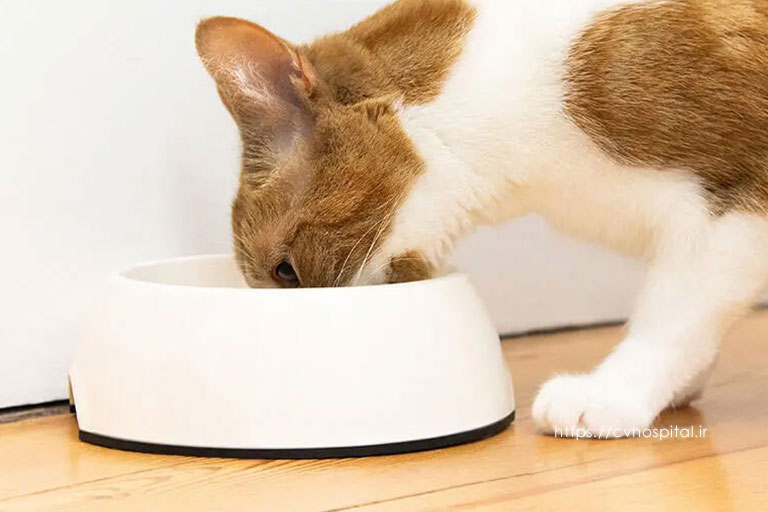
- Decreased appetite or complete loss of appetite
- Lethargy
- Vomiting
- Diarrhea
- Abdominal pain
- Fever
- Jaundice
- Abdominal swelling
- Excessive thirst
- Frequent urination
- Petechial hemorrhage (bleeding from blood vessels under the skin and mucous membranes)
- Weight loss
- Presence of blood in feces
 Clinical symptoms such as petechial bleeding, abdominal swelling (which can be a sign of fluid accumulation or liver enlargement), and jaundice are all symptoms observed in more advanced cases of the disease. Fever, vomiting, and diarrhea are usually associated with acute and sudden illnesses. Now the question arises: What should we do if our cat has these symptoms? We recommend contacting the Central Veterinary Hospital in Tehran, which is one of the most reputable centers. If you have questions about liver disease in cats, call the numbers listed on the website to get guidance from our colleagues at the Central Veterinary Hospital. At this establishment, you will receive answers as quickly as possible and with the highest quality.
Diagnosis of Liver Disease in Cats
Diagnosing liver disease in cats, especially in the early stages, is not a simple task, as the symptoms of this disease are usually very mild or may resemble other diseases. Therefore, many early symptoms are overlooked or misinterpreted as more common problems. For an accurate diagnosis, the veterinarian will first gather detailed information about the cat’s condition and health history from you. Then, a thorough physical examination is performed. Following this, blood and urine tests are usually taken from the cat to assess liver function and other organs and to determine the underlying cause of the symptoms. In some cases, the veterinarian may decide to perform blood tests and urine tests to examine the liver’s functionality and detect any issues. They will look for specific changes in the blood tests including the following:
- Liver enzymes such as ALT, ALP, AST, GGT
- Bile acids
- Bilrubin
- Red and white blood cells
- Blood proteins
Depending on what is found in the blood and urine tests, these results help the veterinarian to either diagnose or rule out liver disease. In fact, when there are concerns about the liver’s proper functioning, other diagnostic tests should also be conducted to assess the extent and severity of the disease. Ultrasound scans and X-rays can be used to evaluate the size and structure of the liver. Your veterinarian can determine whether there are tumors or obstructions in the blood or bile flow. Often, a liver biopsy is necessary for cells to be analyzed by a pathologist to exactly determine what is happening in the liver. Cultures may also be taken to investigate bacterial infections.
A liver biopsy can be performed using a needle guided by ultrasound. If under general anesthesia, larger biopsies can be taken. The veterinarian ensures that the cat meets all general conditions for anesthesia before performing this procedure. Advanced imaging like MRI and CT or nuclear scans can sometimes be used to identify problems such as liver shunts.
What are the Causes of Liver Disease in Cats?
There are many causes of liver disease in cats. The most common ones are:
Infectious Causes
Various factors can lead to liver diseases. One such category includes infectious causes, which are detailed below: 
- Feline Infectious Peritonitis (FIP): This viral disease affects the liver in addition to other organs. The virus leads to inflammation and gradual destruction of liver cells.
- Toxoplasmosis: This disease is caused by a type of parasite. In most cases, infected cats show no specific clinical signs, but if the cat’s immune system is weak or if it is pregnant, this disease can manifest dangerously.
- Feline Herpesvirus 1 (FHV-1): This virus typically causes symptoms in the upper respiratory tract, but in some cases, especially if the cat has a weakened immune system, it can also cause liver problems.
- Bacterial hepatitis/cholangiohepatitis: Hepatitis and cholangiohepatitis can occur due to both infectious and non-infectious reasons.
Non-infectious causes:
There are other non-infectious reasons that can lead to major problems for cats. Below, we will examine the reasons and non-infectious causes of liver disease in cats:
- Hepatic lipidosis: This disease is also known as fatty liver syndrome, which is specific to cats. This disease often occurs after a prolonged period without eating. It occurs due to the accumulation of fat in the liver and can be fatal if not treated.
- Cholangitis/Cholangiohepatitis: This is an inflammatory disease that affects the liver and bile ducts. It can be caused by autoimmune diseases, dietary negligence, or bacterial infections.
- Exposure to toxins: Exposure to certain toxic or poisonous substances, including medications, plants, and household products, can cause liver damage and affect its function.
- Cancer: The liver can be affected by primary tumors or secondary cancers that have spread from other parts of the body.
- Congenital abnormalities: Some cats are born with abnormalities that affect their liver. These cases are relatively rare. One of the most common conditions observed is portosystemic shunt, an abnormal blood vessel that allows blood from the stomach, intestines, spleen, and pancreas to drain into the systemic circulation without first being detoxified by the liver.
Other factors that may play a role in liver disease in cats include:
- Age: Generally, liver function tends to decline with age. Older cats are more prone to health issues.
- Breed: Certain breeds of cats, such as “Abyssinian” and “Persian cat,” are more susceptible to specific liver diseases.
- Body condition: Overweight cats inadvertently put more pressure on their liver, which can increase the risk of fatty liver.
Types of liver disease in cats
As previously mentioned, the liver is one of the most vital organs in a cat’s body and plays important roles in processes like detoxification, metabolism, bile production, and nutrient storage. When the liver encounters problems, various symptoms appear in the cat. Here are the most significant types of liver diseases in cats:
· Hepatitis – Liver Inflammation
Hepatitis refers to inflammation of the liver tissue and can occur for various reasons such as infection, toxins, or autoimmune diseases. Symptoms include lethargy, loss of appetite, and jaundice of the skin and gums.
· Fatty Liver – The most common liver disease in cats
Fatty liver occurs when excess fat accumulates in the liver cells. This problem typically arises after a period of severe loss of appetite. Overweight cats are more at risk. Quick treatment for this disease is essential, as late diagnosis may lead to liver failure.
· Cholangitis and Cholangiohepatitis
This inflammatory disease affects the bile ducts and liver tissue. The cause may be due to bacterial, viral infections, or immune system disorders. Symptoms of cholangitis include fever, vomiting, jaundice, and weight loss.
· Liver Failure
Liver failure in cats is one of the most dangerous problems, and in severe and advanced cases, the liver can no longer perform its function. This condition is dangerous and life-threatening for the cat and requires immediate treatment.
How to care for a cat with liver disease?
Treatment of liver disease in cats depends on its underlying cause; therefore, conducting tests and accurate diagnosis before starting any treatment is very important. Various management methods can support your cat’s health. Intravenous fluid therapy is usually performed to compensate for dehydration and correct electrolyte imbalance. Nutritional support also plays an important role, and some medications can help improve liver function. Dietary changes are made to reduce the liver’s workload. In some cases, a low-protein diet can be beneficial. The fat content in the diet may also be reduced, but this is less effective in cats because they require a lot of fat in their diet.
- If necessary, pain medications are used to relieve pain, and medications to control vomiting or nausea are prescribed.
- If a bacterial infection is present, antibiotics are administered. Some diseases, such as portosystemic shunt or the presence of liver masses, may require surgery.
- Regular veterinary visits are essential to monitor the recovery process, follow up on treatments, and make necessary adjustments.
- Remember that your cat’s treatment depends on factors such as overall health status, underlying diseases, and the age of the cat.
Conclusion
Liver disease in cats is very common. The liver is a large organ with various functions in the body. This means it is vulnerable to damage from various sources. If liver disease is diagnosed early and treated swiftly, the treatment can be effective, and cats can fully recover. If you think you notice any clinical signs of liver disease, no matter how minor or intermittent, it is important to take your cat for examination by a veterinarian.
Frequently Asked Questions
Can cats recover from liver disease? Depending on the underlying cause of liver disease, cats can achieve full recovery. The liver can partially regenerate, so early diagnosis and prompt administration of appropriate treatment increase your cat’s chances of recovery. Can feline liver disease cause changes in behavior? Yes, a cat may become withdrawn, play less, or exhibit changes in reactivity. These changes usually occur due to physical discomfort and weakness caused by impaired liver function. How can we prevent liver disease in cats? There are many different causes of liver disease and, unfortunately, some of them are not preventable. The good news is that you can make lifestyle changes that reduce the likelihood of your cat developing liver disease or mean that if they do develop it, the severity is less likely.
Is there a home remedy for liver disease in cats? There is no home remedy for liver disease in cats. As mentioned, there are specific things you can do to help your cat at home, but you should never use home treatments without consulting a veterinary professional. If you suspect your cat may have any type of liver disease, the best course of action is to take them to the vet as soon as possible.
How is fatty liver disease in cats treated? Treating fatty liver in cats requires early diagnosis and careful management. The first step is proper nutrition and increasing the calorie intake of the cat, especially if sudden weight loss is the cause of the disease. The veterinarian may prescribe medications to support liver function and recommend feeding through a tube if necessary.
Can hepatitis be transmitted from cats to humans? In most cases, the hepatitis that cats suffer from is species-specific and not transmitted to humans. However, it is always essential to maintain hygiene when handling sick animals, such as washing hands. If in doubt, always consult with a veterinarian.
What causes hepatitis in cats? Hepatitis in cats can occur for various reasons, including bacterial or viral infections, food poisoning, metabolic diseases, or reactions to certain medications. Sometimes the exact cause is not identified and is referred to as idiopathic hepatitis.
What are the symptoms of kidney disease in cats? Common symptoms include increased thirst and urination, weight loss, loss of appetite, vomiting, bad breath, and general weakness. If you observe these symptoms, you should see a veterinarian immediately, as kidney disease in cats can start gradually and without clear symptoms.
What does elevated liver enzymes in cats mean? Elevated liver enzymes indicate the presence of inflammation, damage, or dysfunction in the liver. This condition may be due to liver diseases, infections, toxins, or even certain medications.
How can you support a cat’s liver? Proper nutrition with high-quality, digestible protein foods, taking liver-supportive supplements, and avoiding toxic substances like human medications can positively impact your cat’s liver health.
Is Livergel tablet suitable for cats? The Livergel tablet contains silymarin, which is used to support the liver in humans. Its use for cats must be under the supervision of a veterinarian as the appropriate dosage, administration method, and potential side effects must be thoroughly reviewed.
What are the symptoms of gallbladder problems in cats? Gallbladder issues, such as inflammation or obstruction, can cause loss of appetite, vomiting, jaundice of the skin and gums, and lethargy. Diagnosis is made with the help of ultrasound and blood tests, and treatment depending on the severity of the problem may include medication or even surgery.
Source: catster