





One of the most common complications observed due to gastrointestinal problems in dogs and cats is a condition known as colitis. Colitis in dogs and cats refers to inflammation of the large intestine and is recognized as a common complication resulting from genetic predispositions and changes in diet or the introduction of a new food item. A new food item does not necessarily mean a different diet, but it can also refer to a treat or a non-food item that the animal mistakenly consumed. If the animal is allergic to this new item, symptoms of colitis in dogs and cats will be observed. In the following sections, while enumerating the symptoms of this condition, we will also refer to treatment and prevention methods.
Causes of Colitis in Dogs and Cats
Some of the most important causes of acute colitis in dogs and cats include:
- Excessive stress such as travel, relocation, or environmental changes
- Consumption of allergenic, contaminated, or toxic foods
- Lack of caution in dietary regimen such as ingestion of non-food items and foreign materials
- Sudden changes in the consumption of new foods
- Use of antibiotics
- Prolonged exposure to a humid environment
- Genetic predisposition
Genetic Predisposition to Colitis in Dogs and Cats
As mentioned, one of the most important factors in the occurrence of colitis in pets such as dogs and cats is the genetic background related to colitis. In fact, some animals and breeds are predisposed to this condition. For example, the Golden Retriever breed is one of the breeds prone to colitis and IBD (inflammatory bowel disease). The condition IBD is actually a more complex and severe type of colitis, affecting various parts of the digestive system. Additionally, in the French Bulldog and young Boxers, the likelihood of developing a rare type of colitis known as granulomatous colitis is higher than in other breeds.
Symptoms of Colitis in Cats and Dogs
Symptoms of colitis in dogs and cats can vary, but recognizing the most common symptoms can help you quickly determine whether your pet’s discomfort is related to colitis. If the symptoms of colitis in cats and other animals intensify, it is advisable to consult a veterinarian immediately. Some of the most important symptoms of colitis in pets include:
- Increased frequency of bowel movements
- Difficult and painful bowel movements
- Small volume and watery, unformed stools
- Possible presence of blood or jelly-like substances in the stool
- Presence of mucus in the stool of dogs or cats
- Possible incontinence during bowel movements
- Good appetite and absence of vomiting in animals with initial colitis
- Severe abdominal pain and vomiting in animals with acute colitis
Upon observing symptoms of chronic colitis in your pets, consider scheduling routine tests for dogs and cats and take action for treatment. To this end, you can seek assistance from experienced veterinarians at the Central Veterinary Hospital in Tehran.
Prevention of Colitis in Dogs and Cats
Generally, the mentioned conditions including colitis and IBD, despite being potentially distressing for the animal, are completely controllable and preventable. The most important action that can be taken to prevent colitis in dogs and cats is to gradually introduce any food items and ingredients into the pet’s diet. However, it is important to note that simultaneously adding several food items is not recommended. If one ingredient causes dietary incompatibility, it will be difficult for the veterinarian to diagnose it. However, if you gradually add new foods to the animal’s diet, in the event of any problems, the veterinarian will find it easier to diagnose and treat accordingly. Furthermore, if you determine that the symptoms of colitis in your dog or cat are due to a specific food item, discontinuing that item will cause the symptoms to subside within two to three days, and your pet will gradually improve; so there would be no need for a veterinary visit. However, if the symptoms are severe and your dog or cat experiences vomiting, severe abdominal pain, and loss of appetite, it is better to consult a veterinarian as soon as possible.
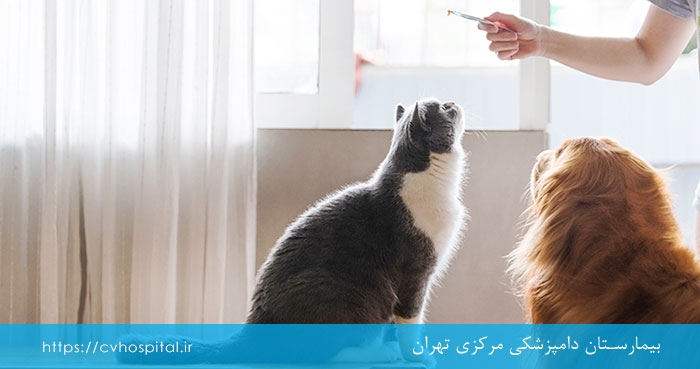
Treatment of Colitis in Pets
Colitis or inflammation of the large intestine in pets is a treatable condition that, despite the emergence of unpleasant symptoms, can be easily treated if action is taken promptly. It is recommended to provide a complete history and a suitable account to the veterinarians at the Central Veterinary Hospital in Tehran for the best diagnosis and treatment for your pet.
The positive aspect of visiting the Central Veterinary Hospital in Tehran is that the hospital is equipped with complete therapeutic facilities, and you do not need to refer to separate centers for surgeries and imaging for animals; your pet will be treated at the hospital under the supervision of skilled veterinarians.
Final Thoughts
It is recommended to complete the vaccination of your pets to prevent colitis in dogs and cats and adhere to their anti-parasitic program. Provide fresh, clean water for your pet every day to meet their body’s water needs and ideally maintain a calm environment at home to minimize stress for your dog and cat, which will speed up the treatment of colitis in your pet. Finally, avoid sudden changes in the animal’s diet and refrain from giving human food to them.
If you have any questions regarding colitis in pets, please contact the numbers listed on the website.