



Microscopic Veterinary Surgery is one of the most advanced therapeutic methods that, using precise and specialized equipment, allows for highly sensitive and complex surgeries on animals. Considering the importance of maintaining health and ensuring quicker recovery for animals, these advanced techniques enable veterinarians to effectively address various issues in sensitive organs like the eyes, ears, nerves, and even the internal organs of animals with minimal damage to vital tissues. In this article, we will examine and introduce this type of surgery for pets to familiarize you with the vital role of microscopic veterinary procedures in improving the quality of life for animals.
What is Microscopic Veterinary Surgery?
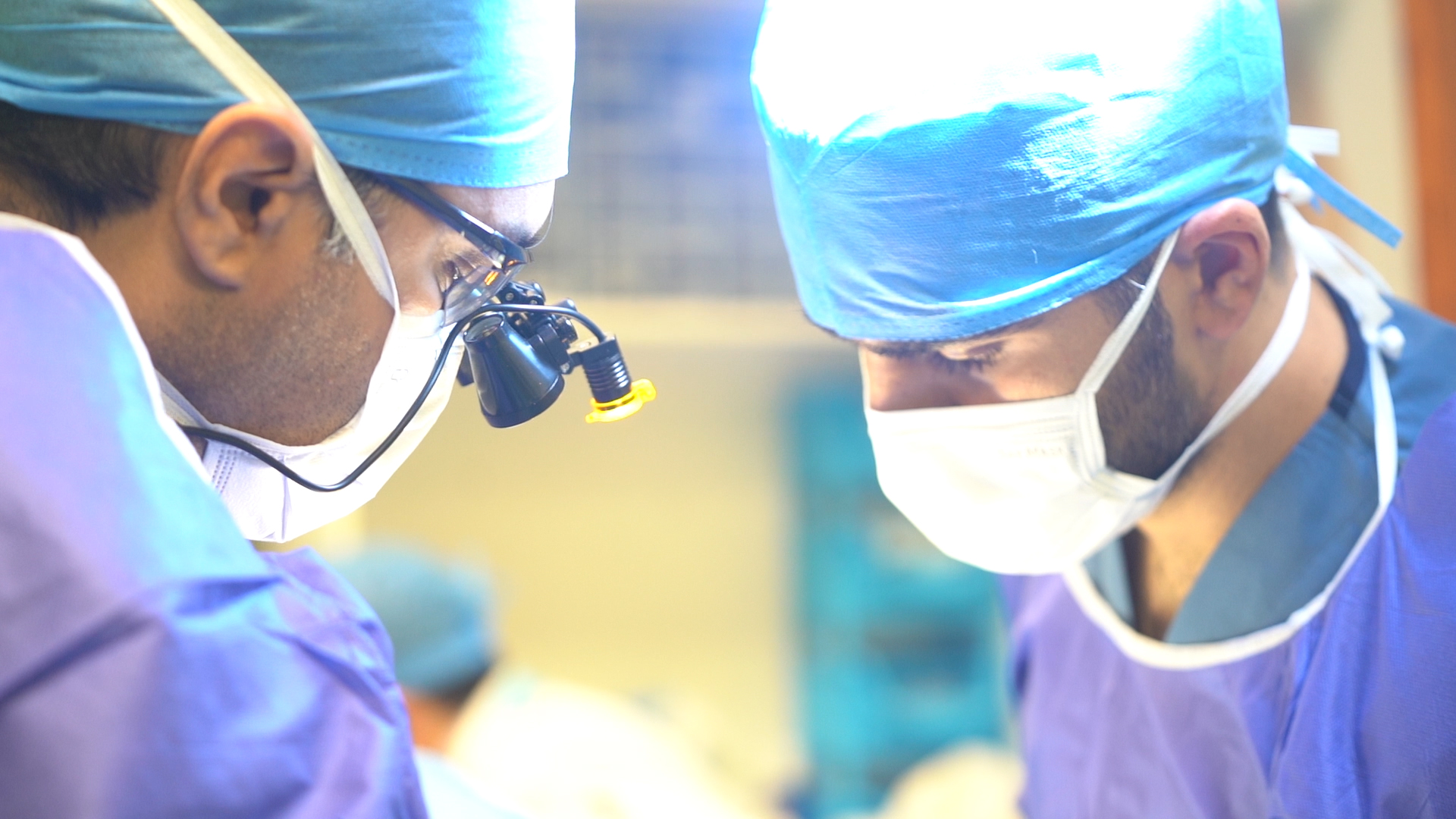
Microscopic veterinary surgery is an advanced method for performing veterinary surgeries with high precision on animals. These types of surgeries are conducted using special, specialized microscopes that allow the veterinarian to observe and operate on the small, sensitive structures of animals’ bodies with greater accuracy. The use of veterinary laboratory equipment and precise microscopes as magnification tools helps veterinarians see the surgical area under several times magnification.
Which Surgeries Require Magnification?
As mentioned, for certain sensitive surgeries, magnification of up to 20 times may be necessary. Microscopic surgeries with magnification in veterinary medicine are applicable for specific diseases. Below, we will discuss some of the most important types of microscopic veterinary surgeries.
Eye Surgeries
In eye surgeries for cats and dogs, due to the high sensitivity of this organ, it is often necessary to use a microscope. For example, cataracts are a common disease in animals, especially in dogs and cats, that cause clouding of the lens. During cataract surgery in dogs’ eyes, the veterinarian carefully removes the cloudy lens and replaces it with an artificial lens.
Corneal Ulcer
Corneal ulcers in the eye may arise from various causes, such as external injuries, infections, or dry eyes. After performing ultrasound of the eye in dogs and cats, microscopic surgery is employed to repair damaged tissue to prevent further complications such as infections or corneal cloudiness. Microscopic veterinary surgery is also applicable for cherry eye surgery in dogs and lens displacement in cats.
Urinary Tract Surgery
Due to the small and delicate nature of the urinary tracts in most animals, one of the important applications of microscopic surgery is the removal of stones in their bladders or urinary tracts. Using a microscope, veterinarians can precisely remove these stones without damaging healthy tissue, especially in cases of urinary tract obstruction in animals. Additionally, in urinary tract diseases in dogs and cats, such as tears or injuries in the urinary tract or bladder, microscopic surgery allows for precise repair and reduces the risk of urine leakage or infection.
Nerve Surgery in Animals
Given the delicacy of the nervous system, veterinarians utilize microscopes for surgeries involving peripheral nerve tissues in animals. Generally, repairing severed peripheral nerves in pets would not be feasible without microscopes and magnification. For observing brain diseases in animals, various surgeries involving the brain, spinal cord, and peripheral nerves that require very high precision are performed with the assistance of microscopic surgery. One of the sensitive surgeries performed at the Central Veterinary Hospital is the microscopic surgery for disc problems in dogs, expertly conducted by the hospital’s skilled doctors.

Transplant Surgeries
Microscopic surgical techniques are also utilized in organ transplantation. Kidney transplant surgery in pets is one of the most common types of surgeries that can be performed with a microscope and high precision. Additionally, kidney diseases in dogs create various problems for these animals; however, with the assistance of microscopic surgery and veterinary laboratory equipment, the veterinarian can end the animal’s pain through kidney transplantation.
Cardiovascular Surgeries
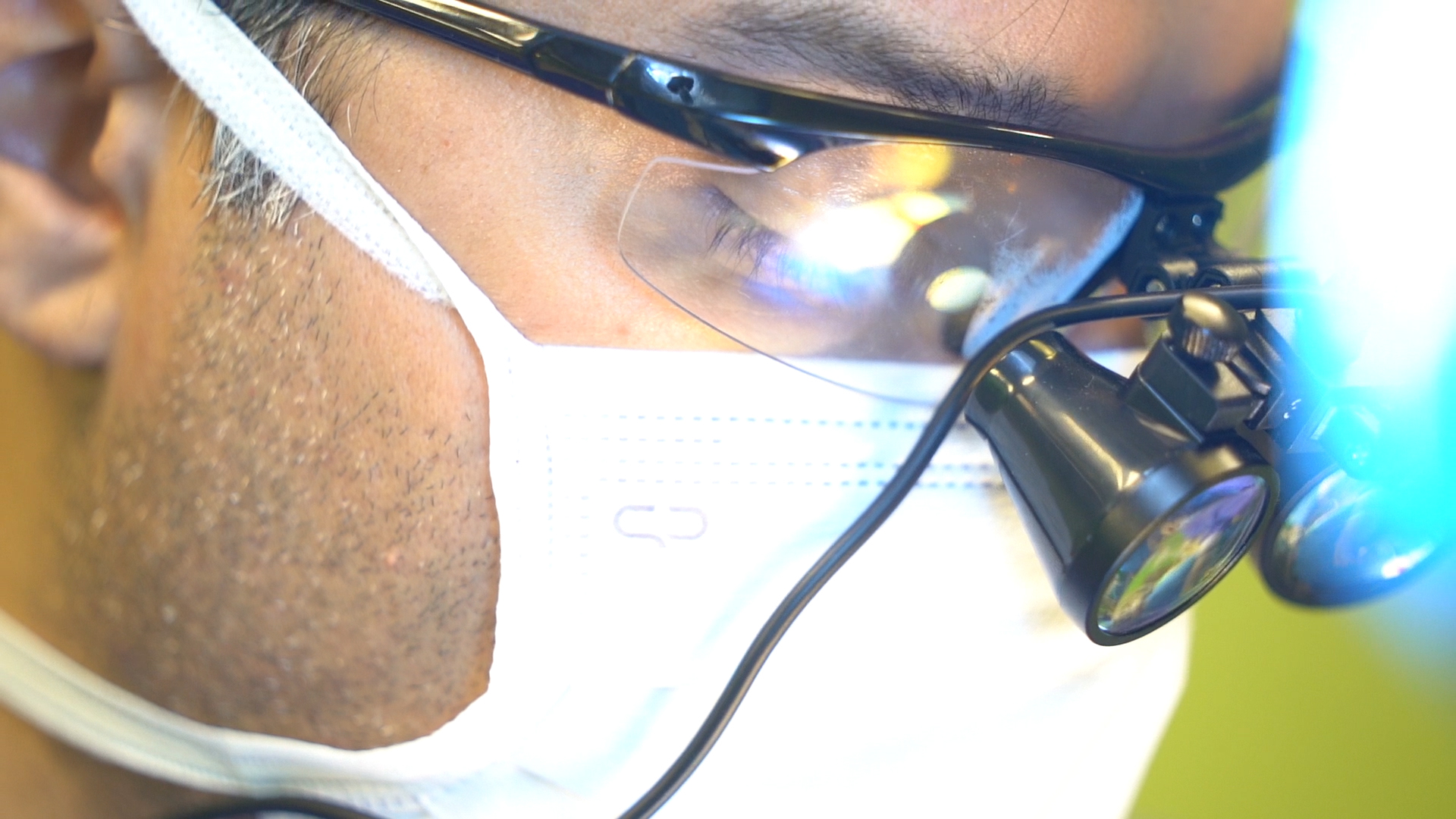
In many heart diseases in animals, veterinarians use microscopic surgeries to remove arterial blockages and improve blood flow to the heart, as well as to correct valve problems that require high precision. Utilizing microscopic veterinary surgery in these cases enables veterinarians to operate with greater accuracy and provides better results for animals, especially in surgeries that require meticulousness and sensitivity.
Advantages of Microscopic Surgeries
Veterinary surgeries, especially microscopic veterinary procedures, are operations that require high expertise and experience and can yield significantly better results in the treatment of complex and sensitive diseases in animals. These types of surgeries are particularly beneficial for animals with small limbs or very sensitive body parts. The use of microscopes allows veterinarians to accurately observe and operate on very small and complex structures. This level of precision reduces the risk of damage to surrounding healthy tissues, facilitating faster recovery for animals. Higher precision and reduced tissue damage lead to less pain and inflammation post-surgery. All these advantages combined ensure that after surgeries, pets undergo a quicker healing process and return to their normal lives. Given the ongoing advancements in medical technologies and the increasing demand for these types of microscopic veterinary surgeries, we can expect that microscopic veterinary surgery will become one of the standards of treatment in modern veterinary medicine. These methods not only contribute to the health and longevity of animals but also allow veterinarians to treat complex diseases with more confidence.
The Use of Magnification in Sensitive Procedures
Microscopic veterinary surgery, as one of the most advanced therapeutic methods, allows for the precision and effectiveness of complex and sensitive surgeries.
High efficiency has been provided. The use of specialized microscopes and precise tools in veterinary surgeries allows veterinarians to perform surgeries on delicate and vital structures of animals’ bodies, such as the eyes, ears, nerves, and internal organs. With the help of microscopes, veterinarians can easily and effortlessly perform transplant surgeries on various animals. If you encounter diseases like these in your pets, seek assistance from expert surgeons at the Central Veterinary Hospital in Tehran and the advanced facilities of this center. The experienced veterinarians at this center can perform complex surgeries on animals with advanced equipment and take significant steps toward improving their illnesses. As mentioned, the benefits of this method include reduced damage to healthy tissues, faster recovery for animals, and reduced pain and inflammation after surgery. Veterinary microsurgery not only improves the quality of life for animals but also makes it possible to treat problems that were previously considered inoperable or high-risk.