





Often when a pet is referred to a vet for surgery and neutering, the veterinarian may encounter the situation where one or both testicles are not located in the scrotum. In such cases, a precise ultrasound is necessary to determine the status of the animal. The development process of pets is such that the testicles form in the abdomen during embryonic development and, after the animal is born, they descend from the abdominal cavity into the scrotum. The condition of cryptorchidism in dogs and cats can occur here and manifests in such a way that one of the testicles or both testicles do not descend from the abdominal cavity.
If you as a pet owner do not notice this issue, there is a possibility that the retained testicle inside the body may shrink, lose its function, or even lead to cancer; because the testicle must be in a temperature lower than that of the body in order to function properly. Cryptorchidism in animals can also exhibit several symptoms and characteristics. These characteristics differ significantly between dogs and cats, and you must consult a veterinarian to understand the precise signs.
Location of the Testes in Cryptorchidism in Dogs and Cats
As mentioned, cryptorchidism in animals can be one of the common and dangerous conditions that require careful attention. One of the most important questions that arises in this context is that if the testicles are not in the scrotum, where can we find them? Typically, the testicles are in the abdominal cavity initially and after birth, they exit this cavity and move down into the scrotum. If cryptorchidism occurs, the testicles may remain within the abdominal cavity. Another possibility is that the testicles remain within the inguinal canal. This canal, located between the abdominal cavity and the scrotum, can be one of the places where the testicles are retained.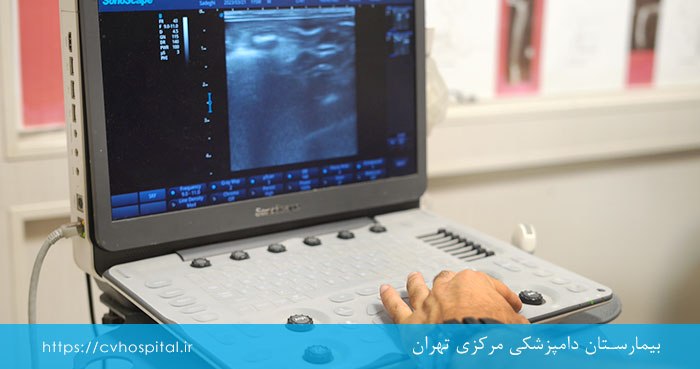 Ultrasound for the treatment of cryptorchidism in dogs and cats
Treatment for Cryptorchidism in Dogs and Cats
To treat cryptorchidism in dogs and cats, several essential and critical steps must be taken. Please note that treating this condition can be one of the most important and fundamental actions you can take for your pet.
Initially, the veterinarian should examine the animal. This examination uses basic tools and equipment to assess the status of the testicles and scrotum. If one of the testicles or both testicles are not located in the scrotum, an abdominal ultrasound should be prescribed for the animal. This ultrasound will examine both the abdominal cavity and the inguinal canal, allowing us to determine the exact location of the testicles. Once the precise location of the testicles is determined, we must proceed to the primary treatment method for cryptorchidism, which is surgery. The surgeon uses the ultrasound image that shows the exact location of the testicles to perform the procedure and remove the testicles. This way, the case is not only neutered, but we can also prevent the case from developing cancerous tumors.
Benefits of Treating Cryptorchidism in Animals
Treating a condition always comes with advantages. Therefore, it is recommended to carry out the treatment in the best possible way.
· Neutering the Animal
Neutering dogs and cats is one of the important measures to take. Male animals must be neutered, especially since they live in domestic environments under specific conditions. Treating cryptorchidism in animals allows for easier neutering.
· Preventing Poor Testicular Function
The next issue is that testicles located in the abdominal cavity or within the canal may exhibit poor functions. By surgically removing these testicles, we can prevent their impaired function within the animal’s body.
· Preventing Cancer
Testicles that remain within the abdominal cavity can eventually lead to cancerous tumors. Necessary precautions in pet cancer surgery can assist in effectively dealing with these tumors when needed and extending the animal’s lifespan.
· Alleviating Potential Pain
Sometimes, cryptorchidism in dogs or cats can cause pain in the animal, leading to restlessness. Treating this condition can alleviate these pains as well.
A Quick Overview
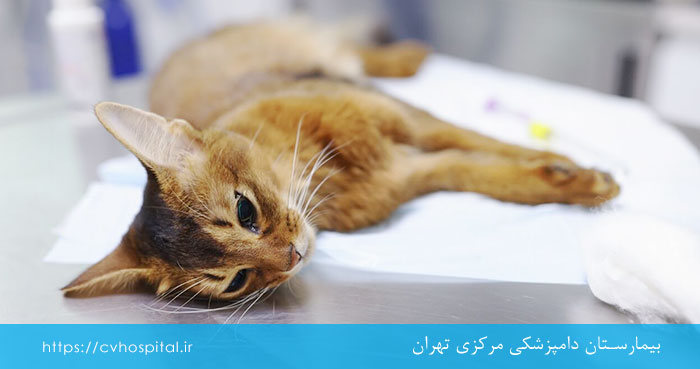
Cryptorchidism in cats and dogs is a condition where one or both testicles of the animal do not descend into the scrotum and remain in the abdomen or inguinal canal, which can lead to cancer and serious problems. Diagnosing cryptorchidism through examination and ultrasound is important, and its main treatment is surgery which not only sterilizes but also reduces risks associated with impaired testicular function and pain or cancerous masses.
Specialists and veterinarians in central Tehran provide you with treatment and consultation services at any hour of the day to ensure you are not worried about the treatment, diagnosis, and ultimately the surgery for cryptorchidism in your dog and cat.