


(Hip Dysplasia) or hip dislocation is one of the orthopedic diseases that primarily affects large breeds. In this condition, one or both of the dog’s hips develop an abnormal shape, resulting in pain and discomfort when the animal is active or changes position. However, fortunately, this condition is treatable. In this article, we will discuss the causes, symptoms, treatment, and also surgery for dogs with hip dysplasia.
What is Hip Dysplasia or Hip Dislocation in Dogs?
Hip dysplasia is a deformity of the hip joint that occurs during growth. The hip joint is a ball and socket joint. During growth, both the head of the femur and the hip socket (acetabulum) must grow proportionally. However, in hip dysplasia, this growth does not occur uniformly, and the acetabulum develops insufficient depth, while the femoral head may grow larger. As a result, there is a shallow socket and a large ball that do not fit together properly, leading to joint instability. Therefore, if your dog (this disease is rarely seen in cats) suffers from hip dysplasia, it means there is an abnormal formation in one or both hips. Since the hip is not shaped correctly, it cannot be expected to function well; as the ball and socket grind against each other, this ultimately leads to further deterioration and loss of hip function.
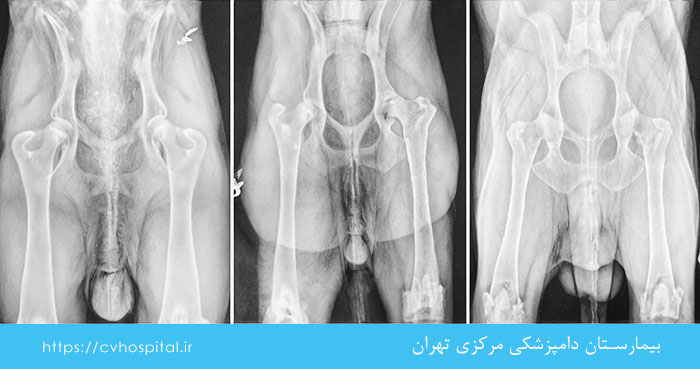
Abdominal – dorsal view of a dog with hip joint dysplasia Failure to treat this condition severely decreases your dog’s quality of life because it is a painful disease that reduces normal movement ability. The above photo shows X-ray images of an abdominal – dorsal view of a dog with hip joint dysplasia.
- If you have questions about the duration of treatment or the cost of hip dysplasia surgery for dogs, please contact the reception of the Central Veterinary Hospital.
Breeds Prone to Hip Dysplasia
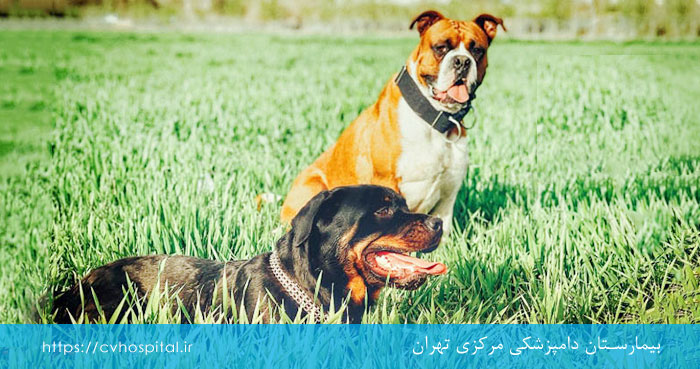
As we mentioned earlier, hip joint dysplasia in dogs is often seen in large and giant breeds. However, several smaller breeds are also at risk, and examples of small dogs have also been treated at the Central Hospital (such as pugs and French bulldogs). Generally, the following dog breeds are among those prone to hip dislocation:
- German Shepherd
- Mastiff
- Saint Bernard
- Rottweiler
- Retriever
- Bulldog
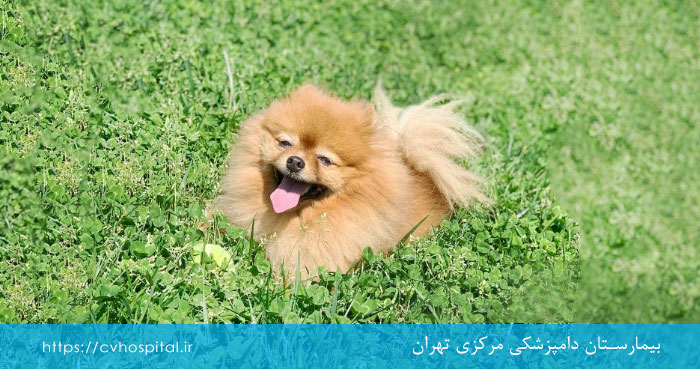 Hip joint dysplasia is also seen in small dogs
Causes of Hip Dysplasia in Dogs
The primary factor contributing to hip dysplasia in dogs is genetics. However, several factors can exacerbate the genetic predisposition for hip dysplasia in dogs:
- Weight and improper nutrition (obesity): If your dog is predisposed to hip dysplasia, excess weight increases the risk of this disease. Essentially, the amount of damage inflicted on the dog’s hip depends on the amount of force the joint must bear. The heavier your dog is, the more force is applied, and naturally, the risk of developing both hip dysplasia and arthritis increases.
- Accelerated growth rate: It is essential that growing puppies are fed a balanced diet suitable for their specific needs. This is particularly important for large and giant breeds that are susceptible to this disease.
- Excessive or insufficient activity: Dogs that are not active enough and those that engage in excessive or inappropriate activities are more at risk. Additionally, puppies that are in stair environments or enjoy chasing thrown balls are at greater vulnerability.
Symptoms of Hip Dislocation in Dogs
Symptoms of hip dysplasia in dogs vary. While this condition usually begins around five months of age, its symptoms may not become apparent until the middle or late years of the dog’s life. Therefore, dog owners should be vigilant for these symptoms to ensure the disease is diagnosed quickly:
- Discomfort or pain during activity
- Stiffness in the hind legs while walking
- Difficulty running
- Loss of muscle tone in the hind legs or thighs
- Reluctance to climb stairs, run, or jump
- Sound of grinding in the joint while moving
- Difficulty rising from a resting position
- Limping in the hip
- Reduced range of motion
- Running with short strides
How is Hip Dysplasia Diagnosed?
Hip dysplasia is one of the conditions that veterinarians check for during examinations. During routine physical exams, veterinarians assess the condition of all joints. They often manipulate the dog’s hind legs to detect any grinding noises, signs of pain, or reduced range of motion. If your dog shows symptoms of this condition, a blood test will also be performed to check for joint inflammation.
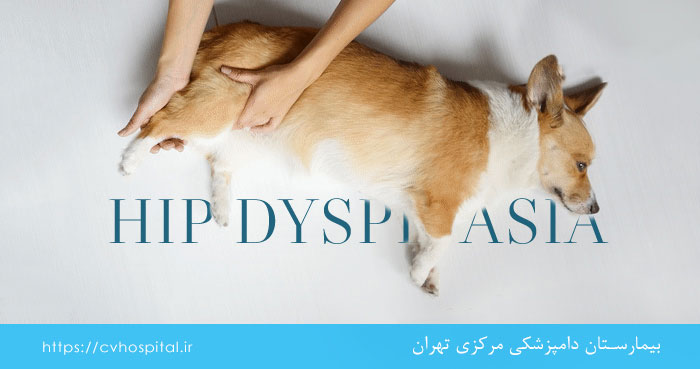
Examination for diagnosing hip dysplasia in dogs A complete health and medical history of the dog (including a summary of specific symptoms and any injuries that may have contributed to it) is also reviewed. While information on the pet’s family history is not essential, it can sometimes provide insights into the risk of hip dysplasia. X-rays are also very useful in diagnosing the severity of the disease and treatment planning.
Treatment for Hip Dysplasia in Dogs
Treatment options for dogs suffering from hip dysplasia vary based on the severity of the condition, ranging from lifestyle changes (such as diet and physical activity) to pain medications and surgery. If the condition is diagnosed at a young age and the extent of the lesion is minimal, dietary changes can help improve it.
Attention: If this disease is not treated in its early stages, the condition of the hips will likely worsen and both hips will be affected. Additionally, over time, this condition may be accompanied by other painful diseases such as arthritis.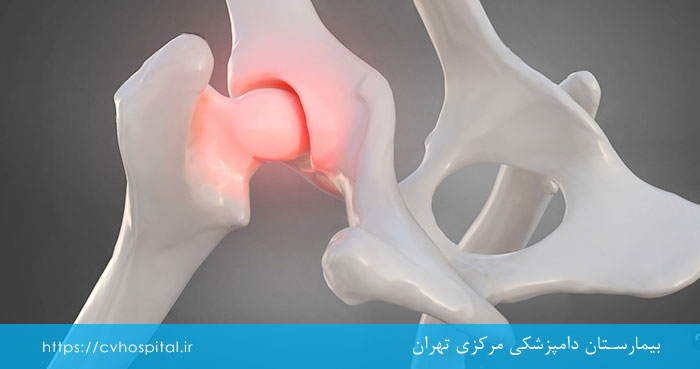 How is hip dislocation in dogs treated?
Hip Dysplasia Surgery in Dogs
When it comes to treating hip dysplasia in dogs, there are various surgical methods and techniques available. The two main surgical options are:
Arthroplasty or Femoral Head and Neck Ostectomy (FHO)
This method is usually recommended for animals with lower weight. This procedure is performed in our country and has very outstanding results. It is particularly beneficial for both young and older dogs. The FHO surgery involves removing and separating the femoral head and neck. Since this operation allows the body to create a false joint, it helps reduce discomfort related to hip dysplasia. This surgery does not restore normal function of the hip joint; however, it is an effective method for managing pain caused by hip dysplasia. After FHO surgery, your dog may need to stay in the hospital for a few hours to a few days. Upon discharge, the veterinarian provides specific instructions for caring for your dog. Generally, all forms of vigorous physical activity should be avoided for at least 30 days. Usually, you can hope that your dog will fully recover within six weeks. After a full recovery, dogs will be able to resume their regular physical activities.
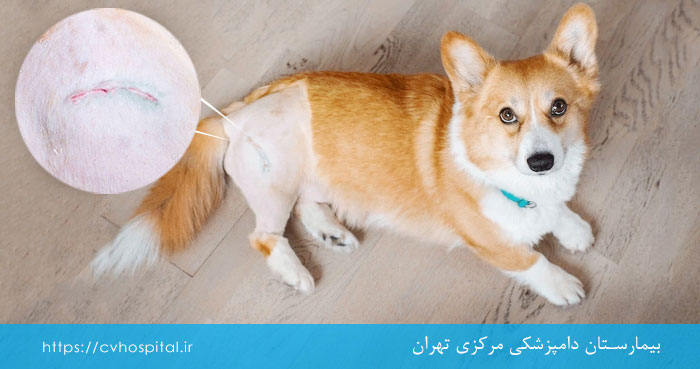 Hip Dysplasia Surgery on Dogs
Total Hip Replacement (THR)
Hip prosthesis or total hip replacement is considered the most effective surgery for treating hip dysplasia, and the Central Veterinary Hospital is one of the few medical centers in the country that performs this surgery. This method, which is used for larger animals, involves using plastic and metal implants to replace the entire hip joint, aiming to restore hip function to a more normal range and thus eliminate discomfort associated with hip dysplasia. This surgery is usually recommended when the dog experiences significant pain or is almost immobile. The artificial components used in THR are custom-made for your dog, and the surgery is performed by qualified veterinary surgeons. Total hip replacement surgery takes about two to three hours and generally, the animal is hospitalized for one to three days after the procedure. Overall, if your dog undergoes total hip replacement surgery, you should expect a recovery period of about 12 weeks. Additionally, for dogs that have issues with both hips, surgery may be performed on only one hip at a time (spaced three to six months apart).
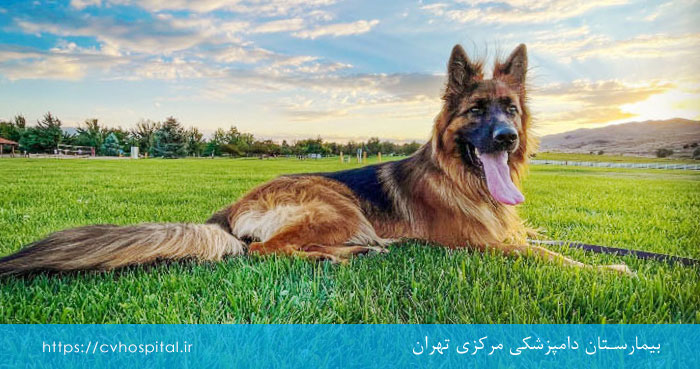
Typically, after surgery, animal physiotherapy is also essential, and animals that undergo surgery benefit significantly by strengthening muscles and assisting in the formation of the false joint, enabling them to overcome this condition with minimal issues. Furthermore, water therapy can also be used to encourage faster recovery and help the animal get back on its feet. For more information, click on the article link Benefits of Water Therapy for Pets.
Preventing Hip Joint Dislocation in Dogs
Hip joint dislocation in dogs is a hereditary condition and thus cannot be entirely prevented. However, regular check-ups and examinations can be effective in delaying its onset. Some joint supplements and pain relievers can also be given to dogs upon the veterinarian’s recommendation to minimize the emergence of symptoms and pain. If the first signs of pain appear in your dog, take him to the veterinarian immediately to address the condition of the joint. If diagnosed early, the condition can be managed for a while with medication and without surgery. However, in any case, the ultimate treatment for hip dysplasia in dogs is surgery.
A Quick Review
Hip dysplasia in dogs is a common condition that typically occurs in large breeds. This disease significantly decreases the quality of life of the animal and ultimately leads to its disability. The condition usually arises due to genetic factors, but environmental factors such as improper nutrition and physical activity also play a role. Treatment for hip dysplasia includes medications, dietary changes, modifications in physical activity, and in more severe cases, surgery. If you need specialized advice regarding hip dysplasia, you can simply call the numbers listed on the Central Veterinary Hospital website and benefit from our experts’ consultations.
Frequently Asked Questions
How long is the recovery after HD surgery in dogs? The recovery duration after surgery for hip joint dysplasia depends on the type of procedure and the dog’s condition. Generally, it takes several weeks to a few months for the dog to reach a stable state.
What is the cost of hip dysplasia surgery in dogs? The cost of surgery varies depending on the patient’s condition. For exact information regarding the costs of this dysplasia surgery, please contact the Central Veterinary Hospital.
Is physiotherapy necessary after surgery? Physiotherapy is a complementary treatment that can be used after this surgery to speed up recovery and help the dog regain its mobility as quickly as possible. Please note that this should definitely be done under the supervision of a specialist.