



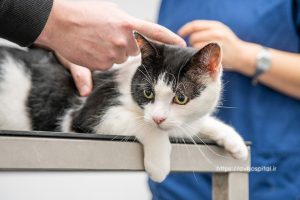


Heatstroke is one of the issues that occurs more frequently during the warm seasons of the year, especially in the summer. Hyperthermia (Heatstroke) occurs in pets when their body temperature rises above 41.5 degrees. If, as a result of hyperthermia, the body temperature reaches 42.7 degrees, there is a risk of death for the animal; therefore, when the body temperature rises, prompt actions must be taken to control and reduce the temperature.
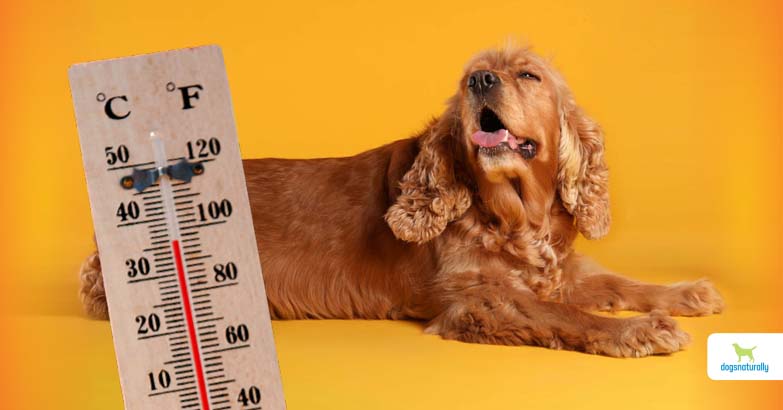
Causes of Heatstroke in Pets
- Exposing the animal to extremely hot air with humidity above 80 percent, such as the southern climates of the country.
- Exercising or training the animal in hot weather.
- Keeping the animal in a closed environment without air circulation (such as leaving the animal in a car with the doors and windows closed for a long time).
- Placing the animal in drying boxes after washing.
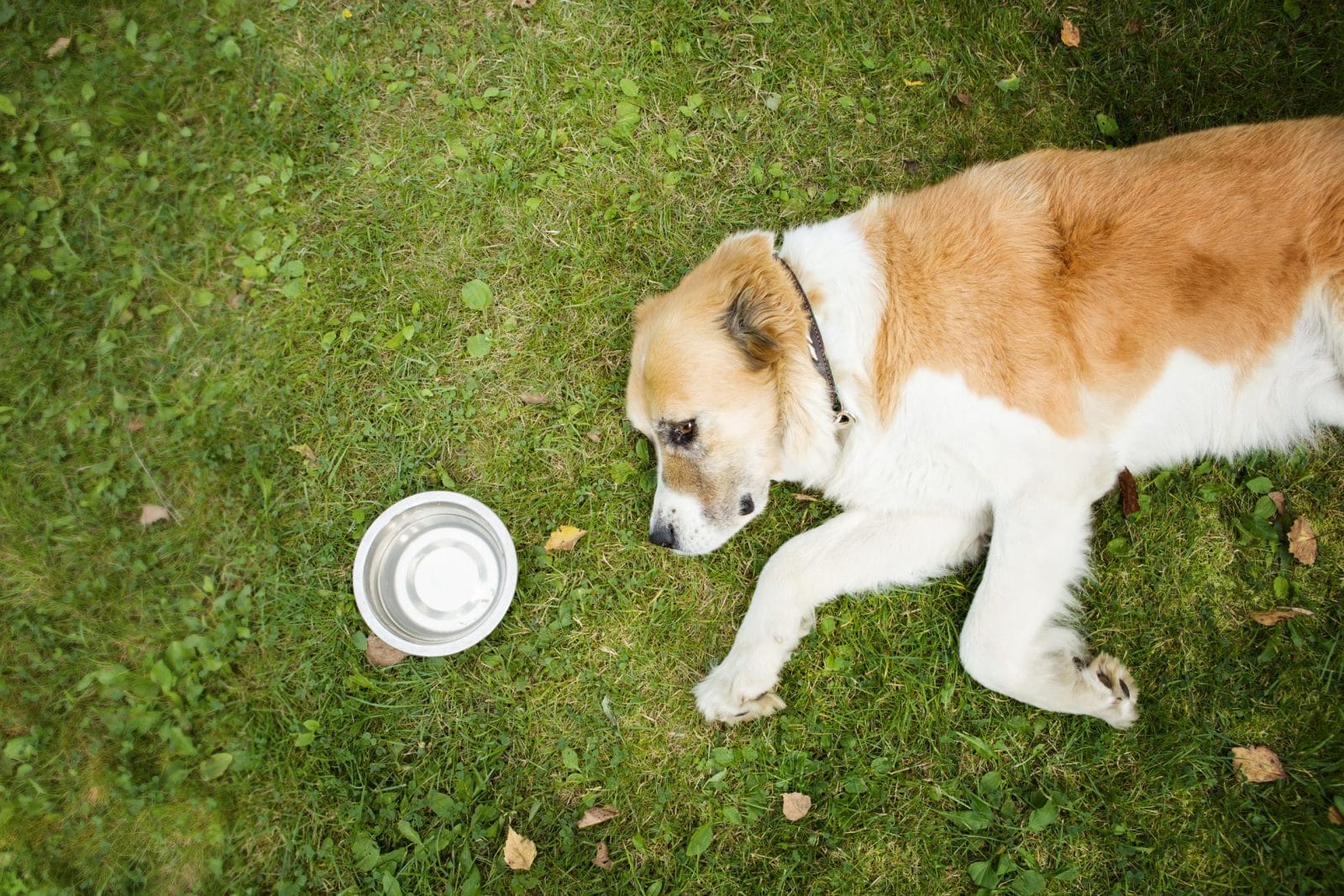
- Lack of access to water and dehydration.
Diagnosing Heatstroke in Pets
Signs of heatstroke in pets can be very extensive and may even confuse their owners. Some symptoms of hyperthermia may overlap with other illnesses, leading to diagnostic mistakes. The most important clinical signs of heatstroke include the following: Mild symptoms:
- The animal starts panting and licking its body.
- Breathing problems in the animal, often referred to as abdominal breathing.
- The animal becomes lethargic and low-energy.
Moderate symptoms:
- Increased salivation that drips from the mouth.
- As heatstroke worsens, neurological signs such as imbalance, mood changes, shivering, and weakness may also develop.
- The animal’s body temperature rises above 41.5 degrees.
- In this condition, the animal’s gums may turn bright red or very pale.
Severe symptoms:
- As blood circulation increases, mucous membranes become severely congested and may sometimes become cyanotic (Cyanosis).
- There is potential for diarrhea and vomiting with blood. However, diarrhea in dogs and cats alone is not a sign of heatstroke and cannot indicate heatstroke symptoms in dogs.
- Feces in the animal appears black or melena (Melena).
- As heatstroke progresses in dogs or cats, blood spots under the skin or petechiae may appear.
- If the temperature rises above 42.7 degrees, the animal may suffer seizures and could potentially enter a coma.
Necessary Actions for Treating Heatstroke in Cats or Dogs
The first and most important action for treating heatstroke in dogs and cats is to lower their body temperature. There are three basic principles for treating heatstroke and hyperthermia in all animals, including:
- Providing shade: Move the animal to an area away from sunlight and heat.
- Using water, alcohol, and airflow: The best way to lower the animal’s body temperature is to spray cool water on it. You can also apply a cloth or tampon soaked in alcohol to the ears and around the animal’s legs. In hospitals, Alcohol Camphor is commonly used because it has a higher cooling capacity. However, in the case of your pet’s heatstroke, you can use any type of alcohol to cool it down.
- Quickly visiting veterinary treatment centers: After taking initial actions, the animal must be quickly taken to a treatment center. Note that during these actions, the animal’s body temperature must be regularly monitored until reaching the treatment center to prevent sudden drops in temperature, known as hypothermia, from turning into cold injuries (Cold Injuries). When the animal’s body temperature reaches the standard range (for cats and dogs, generally 37.8 to 39.2 degrees Celsius), the cooling process should be immediately stopped.
Veterinary Treatments for Heatstroke in Pets
After controlling the body temperature of the dog or cat and administering fluids, specific treatments can begin based on the signs and severity of the heatstroke in the pet. Kidney damage often arises from this condition, requiring special treatments. Seizures in dogs and cats due to hyperthermia can be controlled with the administration of various medications such as Diazepam, Phenobarbital, etc. If the animal exhibits brain symptoms such as brain swelling or cerebral edema, treatments to manage brain swelling should be employed. Blood tests in dogs and cats can also be very helpful in diagnosing and treating heatstroke. Many times, clinical signs can mislead the veterinarian and the pet owner; however, through testing, the veterinarian gains a complete and clear understanding of the issues at hand. 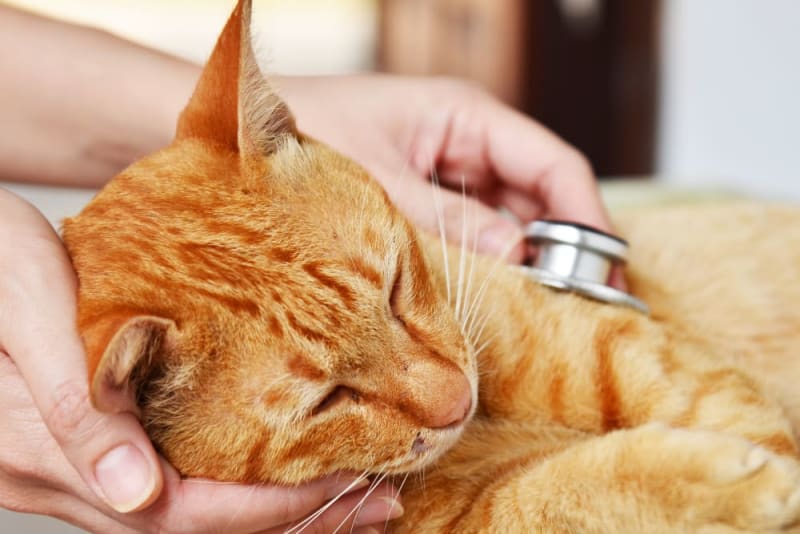
Heatstroke Can Be an Emergency
Heatstroke is considered an emergency and serious condition for pets; if signs of heatstroke occur, the animal should be immediately moved to a cooler environment, and cooling methods such as the use of cold water or alcohol should be employed to reduce body temperature. If you observe symptoms of heatstroke, promptly take your pet to the hospital so that the veterinary staff can carry out necessary and urgent actions to prevent serious problems. The internal medicine doctors at the central veterinary hospital, with access to complete laboratory equipment, perform all necessary tests with extreme accuracy, preventing complications such as anemia and stress leukogram (deformation of white blood cells due to stress).