






Choosing the best food for pets is one of the most important concerns for pet owners. Dogs and cats depend on what you provide for them. Therefore, it is your responsibility to provide suitable food for them. You should know what your pet needs to stay healthy and active. If you want your pets to have a long and healthy life, you must feed them quality foods. In this article, we will familiarize you with the principles of choosing the best food for pets.
What is the Best Food for Pets?
There are various types of pet food. When buying these foods, the most important thing to consider is quality. You need to find a brand that provides all the necessary nutrients for your pet. The best food for your pet is the one that suits it. For example, assess the quality of the coat, energy level, body condition, and the effects that food has on the pet’s digestive system to see if the food has a positive impact on it. (Of course, this is assuming the pet is healthy and does not have any specific medical issues. For sick animals, nutrition should be coordinated with a veterinarian.)

Ingredients in Pet Foods
The most important thing to remember when purchasing pet food is that the brand isn’t everything. You should always read the ingredient list and look at the nutritional facts of the brand you intend to buy. Your goal should be to discover a brand that meets the dietary needs of the pet while being as healthy as possible. The ingredients used in pet food can vary widely depending on the specific product and brand you choose. Some products are made from 100% natural ingredients, while others contain preservatives and chemicals that should not be consumed by pets. Below are some of the most common ingredients found in pet food:
Meat: Meat is one of the most important ingredients in pet food as it provides all the protein, fat, and nutrients needed. Often, meats from animals such as beef and lamb are used because they are rich in essential fatty acids, protein, etc.
Poultry: Poultry meat, such as chicken, is another very common ingredient found in pet foods. Chicken is often used as a nutritious ingredient. Of course, meat from other birds like duck and turkey is also used.
Grains: Interestingly, grains are not bad for dogs! Grains are an essential part of a pet’s diet as they provide the necessary carbohydrates and proteins. Grains are also used to add texture to dry food, so you should choose a brand that uses whole grains instead of refined grains. Deliberately excluding grains from dogs’ diets puts them at risk of heart disease and failure.
Fish: Fish is another popular ingredient in dog and cat food. Frequently, fish such as salmon and tuna are used because they are rich in nutrients such as omega-3 fatty acids, protein, vitamins, minerals, etc. However, it is important to note that fish should only be given to pets in small amounts because excessive consumption can be very toxic.
Food additives: Food additives in pet foods are used to enhance the overall quality and taste of the food as well as keep them fresh for an extended period. These additives include things like preservatives (to prevent bacterial growth) and vitamins (to add nutrients).
Fruits: Fruits are a great source of vitamins and minerals but also contain natural sugars and cellulose, which can cause digestive issues in pets. Fruits are peeled, cut, and pureed and/or chopped before being incorporated into pet food to make them digestible. For this reason, it’s important that the brand you choose follows these practices.
Oils: Oils are an essential part of the diet for cats or dogs as they help maintain the health of your pet’s skin and coat by providing essential fatty acids such as omega-3. Oils also contribute to the health of your pet’s organs by providing omega-6 fatty acids. Certain types of oils, such as tocopherols, act as a more natural method for preserving pet food (instead of using chemicals).

Tips for Choosing the Best Pet Food Brand
Choosing the best pet food brand is a challenging decision. Sometimes, you must choose the best from the acceptable options available. Consider the following tips when selecting the best pet food:
- Where and by whom is the pet food manufactured? Many pet foods are all produced in the same facility and only differ slightly in ingredients and packaging. We recommend sourcing pet food from reputable manufacturers with transparent production processes.
- What ingredients are included in the pet food? If you see 3-4 different types of protein and carbohydrates on the label, put it back on the shelf! It is better to have 1 source of protein and 1 source of carbohydrate. These diets are usually easier to digest, and if your pet has a food reaction, it will be easier to analyze.
- Does the food meet the pet’s needs?
Does it make sense to consider? For example, if your pet is overweight, a low-calorie diet is better for them. Or, for instance, if your pet is very active, they need a higher calorie intake. Additionally, for older pets, it is ideal to use a special diet formulated for them.

Pet Nutrition Guidelines
There are many guidelines for feeding pets. The best way to find instructions suitable for your pet’s needs is to research and consult with a veterinarian. If you want to know how much food your pet should eat, you need to consider several factors. Age, weight, activity level, and health status all play a role in their food requirements. A veterinarian can help you choose the best diet for your pet based on these factors. Points to keep in mind regarding your pet’s feeding include:
- Pay attention to the feeding guidelines on the food package
- Determine the ideal weight of your pet, not just their current weight. This helps prevent overfeeding.
- Divide the recommended feeding amount into 2-3 meals. Usually, the package indicates the daily amount rather than the amount per meal. (However, this can vary by brand, so read the package carefully.)
- Since every food has a different calorie density, different foods have different recommended amounts. If you change the brand of food, you should recalculate the feeding amount.
- Be mindful of the treats you give your pet. The guidelines on pet food labels do not take into account the snacks given as treats. If you wish to give your pet some treats throughout the day, reduce the daily feeding amount by up to 10 percent.
Is Feeding Raw Food to Pets Safe?
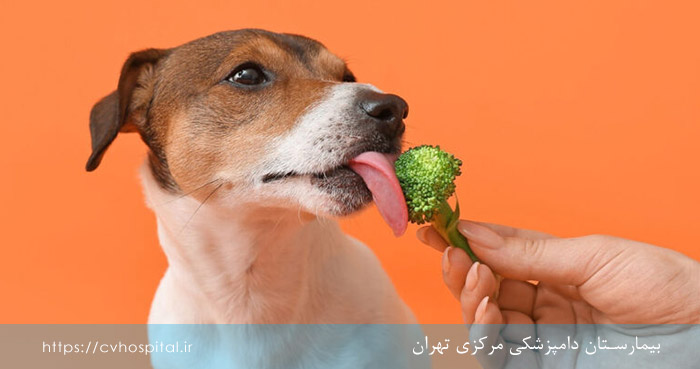
This topic is often debated. The raw food movement promotes eating uncooked foods like fruits and vegetables. Advocates claim that a raw diet contributes to longer life, better oral health, or overall health improvement, and even cures diseases (especially digestive and skin issues). However, veterinarians rely on scientific studies and data for their opinions. There is no objective, peer-reviewed study supporting or opposing feeding pets raw food. The most common claims regarding the advantages of a raw diet are testimonials often seen online.
Final Thoughts
There are many low and high-quality foods available for pets. Therefore, it is difficult to determine which food is best for your pet. To make a good and optimal choice, first consult with a veterinarian about your pet’s nutritional needs. Also consider what the food label says about protein levels, carbohydrates, and similar factors, and try to get your pet’s food from reputable sources like pharmacies and trusted pet shops. The Central Veterinary Hospital is one of these centers, and with its pharmacy and pet shop, it covers all your pet’s nutritional needs.
Source: kingsdale.com