





One of the common questions that many pet owners have is at what age their dog or cat enters old age or seniority. This topic is crucial for determining the diet, care style for aging pets, and veterinary follow-ups. In this article, we will define aging in dogs and cats and examine the common changes that pets experience as they begin to age.
Definition of Senior in Pets
According to the latest guidelines from the American Animal Hospital Association (AAHA), dogs enter seniority when they reach the last quarter of their breed’s average lifespan. For example, if the average breed lifespan is 14 to 16 years, a dog that is 12 years old falls into the senior category.
- In large breeds, seniority typically begins around 6 to 8 years of age, while in small breeds, this threshold is considered to be at 10 to 12 years.
 Aging in Pets In addition to the term “senior,” the term (geriatric) is also common in this context. Geriatric refers to an animal that has lived longer than the average lifespan for its breed. For instance, a dog belonging to a breed with an average lifespan of 14 years enters the geriatric stage after 14 years of age.
Determining Senior Age in Cats
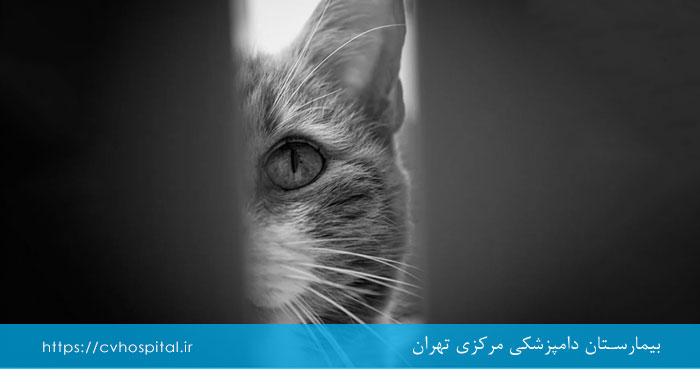
Senior age in cats is different from dogs and is somewhat easier to determine, mainly due to the limited breeds in cats. In fact, given the limited cat breeds and their many similarities, seniority in cats is typically considered to start from around 10 years of age.
Determining Senior Age in Large Breed Dogs and Specific Breeds
Large dogs enter the aging phase sooner than small dogs. In large breed dogs or dogs weighing between 70 to 100 kg, the onset of seniority typically occurs from 6 to 8 years of age. Conversely, smaller breeds are generally considered senior after they turn 10 years old.
Differences in Needs of Aging Dogs and Cats
Aging animals have significant differences in dietary needs, activity levels, types of therapeutic supplements, and medical care compared to younger animals. Recommended veterinary care for seniors includes:
- At least once a year abdominal ultrasound
- X-ray of the chest
- Complete blood test
- And 3 to 4 clinical examinations per year
Common Changes in Aging Dogs and Required Care
As dogs age, they undergo numerous physical and behavioral changes. Hearing and vision loss, joint stiffness, the onset of arthritis in dogs and cats, decreased energy, and increased sleepiness are among them. Some dogs may become tired more easily or may show slowed walking. Their behavior may also change; for example, they may experience increased anxiety or be restless at night.  Caring for Aging Dogs and Cats To care for an aging dog, its diet must be carefully selected; high-quality protein foods, as well as supplements containing glucosamine and omega-3 fatty acids, are recommended. Regular veterinary check-ups (at least every 6 months), heart and joint check-ups, blood tests, and dental examinations are very important. Moreover, the living environment should be safe, warm, and comfortable to prevent joint injuries and slips.
Common Concern for Owners of Aging Dogs: Does My Dog Suffer from Pain That I Might Not Notice?
Many owners of elderly dogs worry that their pets might be in pain but unable to express it. The reality is that dogs instinctively hide pain, especially if they suffer from arthritis, joint problems, or dental discomfort as they age. Changes such as reduced activity, whining when touched, shortness of breath, or difficulty climbing stairs can be indicators of pain. Recognizing these signs and having regular check-ups with the veterinarian helps maintain the quality of life for older dogs.
Common Changes in Aging Cats and Care Solutions
Older cats typically begin to experience changes such as decreased sense of smell and taste, loss of appetite, weight loss, hair loss, irregular elimination, or not using the litter box from around 10 years of age. Additionally, diseases such as hyperthyroidism, kidney failure, or dental issues are prevalent at this age. Their behavior might also change; for example, they may show less desire to play, become withdrawn, or even exhibit cognitive disorders. 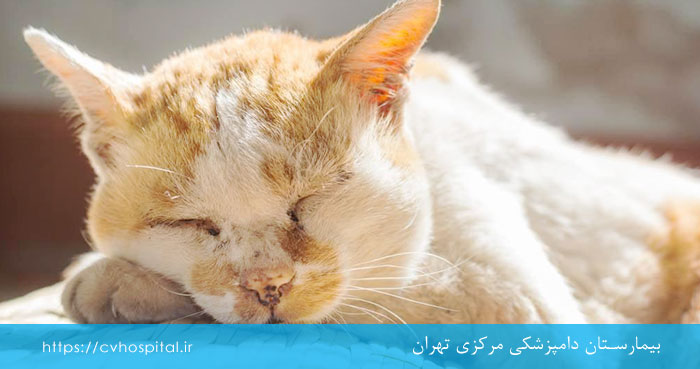 Aging in Cats To care for an aging cat, it is essential to pay special attention to its behavioral changes. Proper nutrition for cats with weaker teeth, utilizing soft or moist food, providing a calm and warm environment, and regularly visiting the veterinarian for kidney, thyroid, and dental examinations are crucial. Using ramps or short stairs for accessing high places also helps maintain a cat’s independence.
Important Concern About Elderly Cats: Why is My Cat Gradually Losing Weight and Not Eating?
Weight loss in senior cats is one of the most common concerns for their owners. This condition can have various causes such as hyperthyroidism, kidney failure, dental issues, or even cancer. Since cats usually show behavioral changes late, loss of appetite or sudden weight loss should be taken seriously. Early consultation with a veterinarian for diagnosis and establishing a senior-specific diet can significantly improve a cat’s nutritional status and energy. 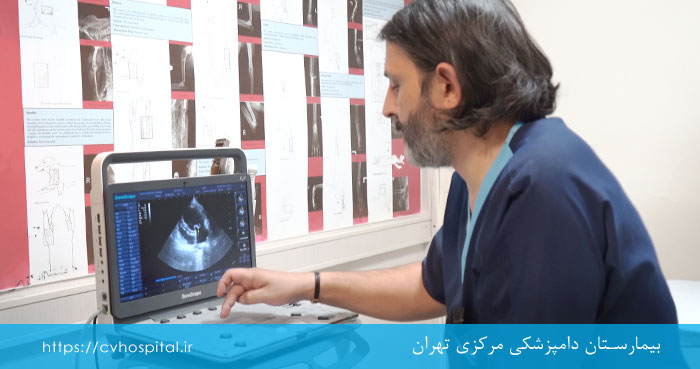 Check-Up for Aging Pets
Common Diseases in Senior Animals
At this stage of life, the likelihood of diseases such as the following increases:
- Hypothyroidism, Cushing’s disease in dogs
- Hyperthyroidism in cats
- Tumors and cancers
- Heart diseases, especially endocardiosis in small breed dogs
- Cognitive disorders similar to Alzheimer’s
For more information on this topic, click on the article link Common Diseases in Aging Pets.
Strategies to Delay Cognitive and Physical Diseases
There are strategies to delay the aging process in dogs and cats, including the use of antioxidants, specific vitamins, joint supplements, and anti-inflammatory drugs. These medications are given to pets as prescribed by a veterinarian and can help maintain the mental and physical health of senior dogs and cats. 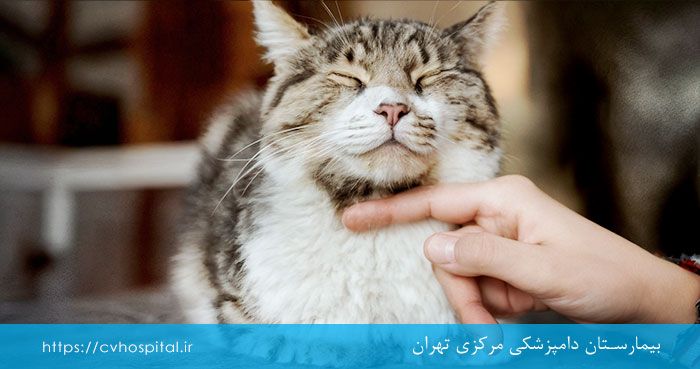 Caring for Aging Pets
Summary
Understanding when a pet enters seniority is a vital step in improving its quality of life. Dogs and cats are considered seniors when they reach the last quarter of their breed’s average lifespan. In large dog breeds, this age begins around 6 years, while small breeds and cats generally enter this stage after 10 years. The term geriatric is used for animals that have exceeded the average lifespan for their breed. Entering old age means a change in the animal’s needs; proper nutrition, specific supplements, regular veterinary care, and attention to signs of common diseases like glandular disorders, heart problems, tumors, and cognitive decline are all essential for the physical and mental health of the pet. If you have questions about how to care for aging dogs and cats or need guidance based on your pet’s unique characteristics, please contact the Central Veterinary Hospital using the phone numbers listed on the website.  Aging in Dogs
Frequently Asked Questions
At what age is my dog or cat considered elderly (senior)? The onset of seniority in animals varies depending on the breed. In dogs, large breeds are generally considered senior from 6 to 8 years of age, while small breeds reach this stage after 10 to 12 years. In cats, due to breed similarities, they are usually considered senior starting from around 10 years of age. What type of veterinary care do senior animals need? Care for aging dogs and cats includes clinical examinations three to four times a year, complete blood tests, annual abdominal ultrasound, and X-rays of the chest. These evaluations help in the early detection of common diseases associated with aging. What diseases are more commonly seen in senior dogs and cats? As animals age, the likelihood of certain diseases increases. In dogs, conditions such as hypothyroidism, Cushing’s disease, tumors, and heart disorders like mitral valve endocardiosis are very common. In cats, hyperthyroidism, certain heart diseases, and cognitive issues are also more frequently observed.
How can the aging process and associated diseases in pets be delayed? Proper nutrition, supplements containing antioxidants, vitamins, and anti-inflammatory compounds can slow down the aging process. These measures are particularly effective when combined with regular veterinary care and attention to the pet’s behavioral and physical changes.