





Medical examinations and check-ups for cats are essential for testing their physical health. If cats are in complete physical health, they need to be checked and examined twice a year. This helps in the early diagnosis of hidden diseases and makes it possible to utilize effective treatment. A guide to cat check-ups and examinations, along with an introduction to various necessary tests, is provided below.
Steps for Examining and Checking Cats
Cats that are kept as household pets need to be fully examined in terms of physical health. Many infectious and parasitic diseases in cats are shared with humans, which increases the importance of checking and examining cats. Periodic examinations of cats when they are in complete physical health are also necessary, as many of their diseases related to the functioning of internal organs are diagnosed through specialized tests. The cat examination is carried out physically, with the veterinarian checking the cat’s diet, behavioral habits, and external features such as skin, fur, etc. The following steps are checked in this examination:
- Animal disease history
- Physical examination
- Review of dietary and behavioral habits
- Prescription of necessary vaccinations
- Recommendations for diet and exercise
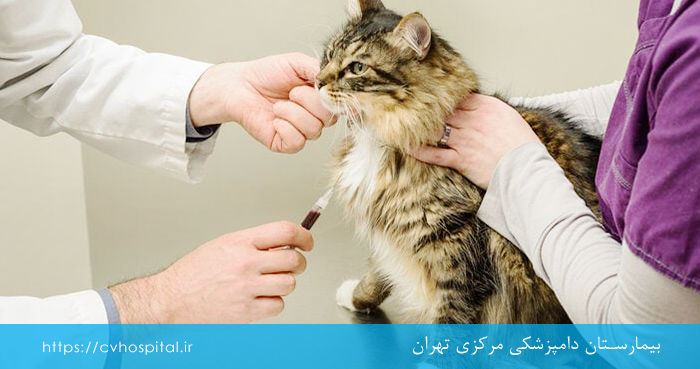
What Actions Are Taken During the Physical Examination of Cats?
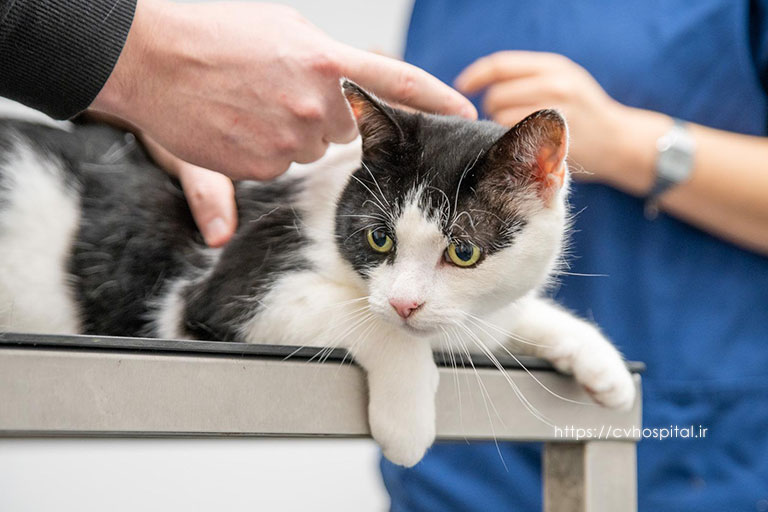
The veterinarian starts the examination and check-up of cats by first testing the overall physical condition of the cat through physical touch and using a stethoscope to check the health of the heart and pulse. The following items are included in the cat examination:
- Checking the pulse in the cat’s hind legs and measuring blood pressure
- Listening to the heart rhythm
- Listening to the respiratory rate
- Checking the lymph nodes in the head, neck, and hind legs
- Examining the throat for signs of thyroid disease
- Checking the legs for potential muscle problems and movement type
- Checking for neurological issues through the paws and nails
- Palpating the abdomen to detect issues in the kidneys, bladder, intestines, etc.
- Examining the cat’s skin to diagnose skin problems (dryness, oiliness, and dandruff)
- Checking the eyes for visual diseases, eye swelling, tearing, etc.
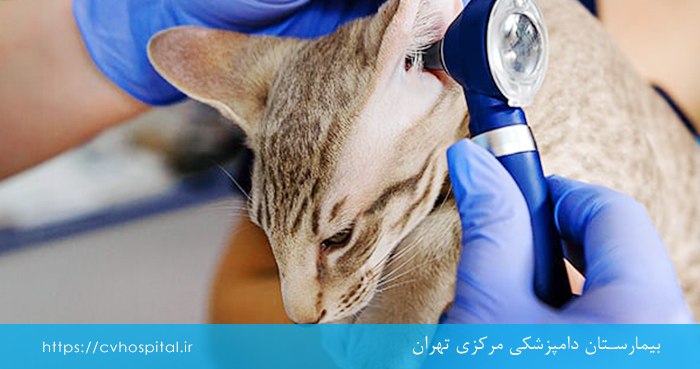
- Checking the ears for wax accumulation and blockage of the ear canal
- Checking the nose for congestion and the ease of breathing
- Checking the mouth and teeth to diagnose tartar, gum disease, cavities, etc.
Types of Tests for Feline Species
In addition to the periodic check-ups for cats which include a full physical examination, multiple tests must also be performed to assess their physical health. Home Cat Tests include three types of tests: cat blood tests, cat urine tests, and cat fecal tests. These tests are considered screening tests that are necessary for cats regardless of their age and gender. 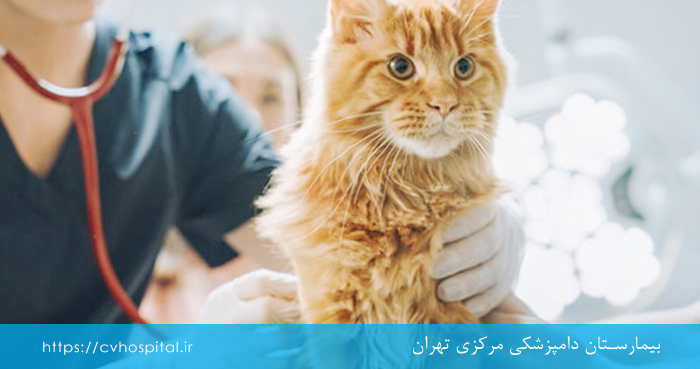
Cat Blood Test
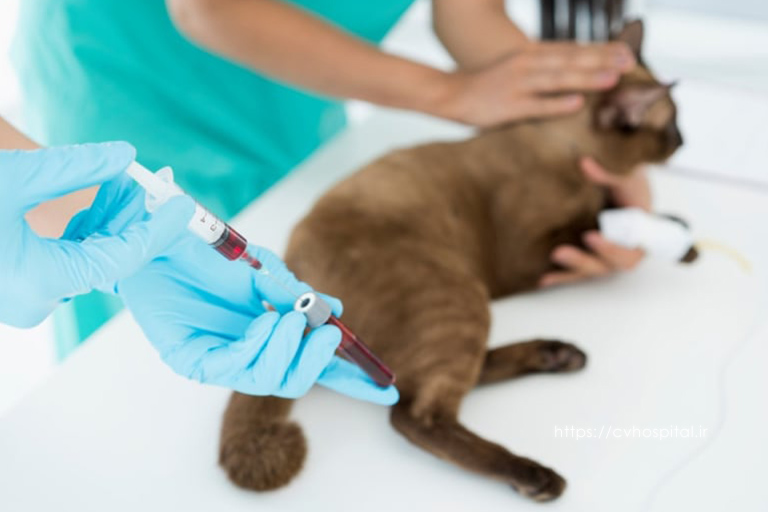
In this test, cats are drawn blood from the vein in their legs to check the health of their blood, hormonal balance, and the functioning of their internal organs. The following items are typically included in the interpretation table for cat blood tests:
- CBC test for counting red and white blood cells, diagnosing anemia and infection
- ALB test for liver health assessment
- Creatinine, urea, and albumin tests for kidney health assessment
- T3 and T4 tests for thyroid health assessment
- FIV and FeLV tests for diagnosing viral infections
- Coagulation tests for assessing bleeding issues
- Glucose tests for diagnosing diabetes in cats
Cat Urine Tests
In this assessment, the appearance of urine is examined to test for urinary and kidney infectious diseases. Moreover, this test measures the blood sugar and protein levels in the cat. A fresh urine sample of the cat must be provided to the veterinarian by the pet owners for the required test.
Cat Fecal Tests
This type of test is conducted to check for parasitic diseases and only simplifies the diagnosis of parasitic oocysts. When visiting the veterinarian, fresh feces from the cat must be available for microscopic evaluation to check for parasitic infections in the feces.
Cost of Cat Testing
Knowing the expenses associated with the examination and check-up of cats, as well as the costs of biochemical and screening tests, is very important for those who keep pet cats. To find out about costs, please contact the central hospital’s reception, and our colleagues will provide you with up-to-date costs.
Timing for Cat Examination and Check-Up
The scheduling for periodic check-ups of cats varies for each physical examination and screening tests. Cats should be taken to the veterinarian for a physical examination every six months, regardless of age. However, their screening tests should be performed once a year. 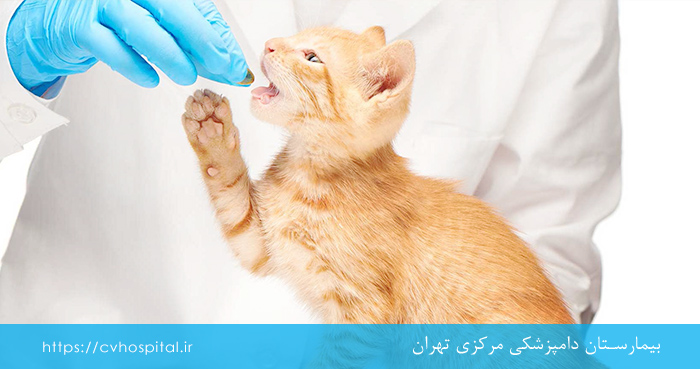
Initial Examination of Feline Species
Kittens should be ready for their first check-up between seven to twelve weeks of age. A monthly physical examination of kittens is recommended, and fecal tests for kittens should also be done regularly. They have a high predisposition to parasitic diseases due to their weak immune systems, and naturally, the diagnosis of this condition is achieved through fecal tests. During the physical examination of kittens, the health of their joints, vision, hearing, skin and fur, weight, temperature, and digestion are checked, and necessary recommendations for improving their growth health are provided to the guardians. When adopting a pet cat, it is essential to conduct an examination and check-up in the early days and review its history of illnesses. Screening tests are also essential in the early days. Conducting screening tests for cats in the initial days can fully clarify their illness history, and in the case of contagious diseases such as various parasites, appropriate and specialized treatment measures can be taken.
What Diseases Are Detected in Cat Testing?
In cat blood tests, their blood infections, anemia, internal bleeding, and poor functioning of internal organs such as the kidneys are identified.
The liver, thyroid hormone imbalance, etc., usually show fewer clinical symptoms.
In the stool tests of cats, parasitic diseases are diagnosed. Due to the high variety of parasitic diseases, screening tests are required. Because more than ninety percent of parasitic diseases have symptoms similar to infectious diseases and cannot be diagnosed through physical examinations. Urine tests can also accurately diagnose diabetes in cats as well as their kidney infections. Frequent attempts to urinate and excessive drinking of fluids by the cat are signs of feline diabetes, which can be definitively diagnosed through urine and blood tests. Additionally, a cat’s difficulty in urinating and making loud noises while trying to urinate are clear signs of a urinary infection, which can be confirmed through this test.
Necessary Conditions for Conducting Cat Tests
There is no need to prepare the cat in terms of a special diet for a physical examination and check-up. However, for screening tests for cats, food should be withheld for 12 hours. Drinking water before undergoing screening tests is allowed.
Conclusion
Examining a cat at home is an approved matter for cat owners, but to diagnose their physical health, a veterinary check-up must be conducted by specialized veterinarians. This process includes two stages of physical examination and screening tests (blood, urine, and stool) that should be performed at least once a year. These tests can diagnose mild to severe internal organ diseases and expedite the treatment process.
Frequently Asked Questions
Is a fasting blood test performed on cats? Yes, to accurately diagnose disorders in the blood and internal organs of the cat, fasting is required for the cat.
How many hours should a cat fast before a blood test? It is best for the cat to refrain from eating for about 12 hours before blood collection.
What does Rbc in a cat’s blood test mean? This test is performed to count red blood cells in the blood.
What does Ast mean in a cat’s test? This test is conducted to test the liver health of the cat.
What does Lym mean in a cat’s test? This test is performed to check the number of lymphocytes in the cat’s blood to detect blood infections.
How is neutropenia diagnosed in cats? Neutropenia in cats can be detected through blood tests and by checking the neutrophil count in the cat’s blood, assessing the risk of the cat contracting infectious diseases.
Source: pethealthclub Vcahospitals