







Babesiosis in dogs is one of the serious diseases that, if not diagnosed and treated promptly, can threaten the health or even the life of your pet. This disease, also known as canine malaria, is caused by parasites of the genus Babesia and is primarily transmitted through tick bites. These parasites attack red blood cells, causing their destruction and symptoms such as fever, lethargy, dark urine, and so on. In this article, we will conduct a complete review of canine babesiosis, including symptoms, diagnostic methods, treatment, and prevention strategies so that you can protect your pets’ health with greater awareness.
What is Babesiosis?
Babesiosis is a blood disease that directly affects the red blood cells of dogs and disrupts their normal body functions. The cause of this disease is microscopic parasites of the Babesia genus that mainly enter the bloodstream through the bite of infected ticks and begin to destroy blood cells. This destruction, leads to reactions such as reduced oxygen delivery to organs, weakened immune system, and in advanced cases, damage to organs such as the kidneys or liver. The important point here is that babesiosis in dogs can manifest in the early stages without symptoms or with mild signs, but it progresses rapidly, and you may not notice the disease until a large number of red blood cells have been destroyed.  Therefore, paying attention to even the slightest changes in the dog’s physical condition, proper and consistent tick treatment, and regular examinations by a veterinarian are vital for preventing and detecting this disease early.
- For more information, we recommend reading: The Importance of Annual Check-ups for Pet Health
How Do Dogs Contract Babesiosis?
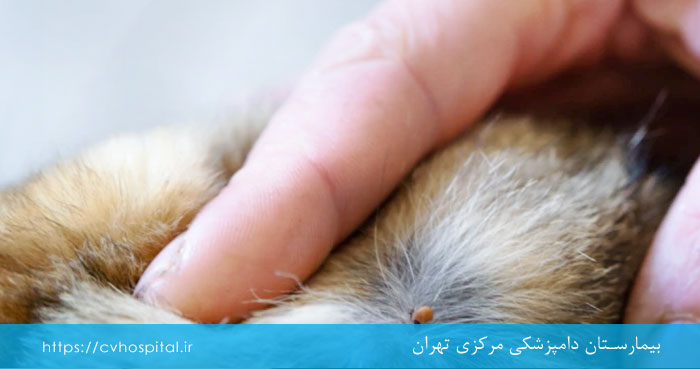
The most important transmission factor for babesiosis in dogs is the bite of infected ticks. Ticks that have fed on infected dogs can transmit the parasite to healthy dogs when they bite. Although this is the most common transmission route, in rare cases, babesiosis may also be transmitted through direct contact with infected blood; such as during fights between dogs, receiving infected blood during surgery, or even transmission from an infected mother to her puppies in the womb. However, ticks remain the primary factor in the spread of this disease. Dogs kept in environments such as kennels or shelters with inadequate tick control are at greater risk of contracting babesiosis.
Symptoms of Babesiosis in Dogs
The symptoms of babesiosis depend on the speed and intensity of the parasite’s spread in the body. In some cases, symptoms may appear gradually and mildly, but in acute cases, the dog may rapidly become severely ill.
Physical Symptoms:
- High fever
- Lethargy and decreased energy levels
- Loss of appetite or refusal to eat
- Jaundice of the gums and eyes (a sign of red blood cell destruction)
- Dark or red urine
- Swelling of lymph nodes
- Weight loss
- Increased heart rate or rapid breathing
Neurological Symptoms:
- Loss of balance or unstable walking
- Seizures
- Pain in the neck area
If you observe any of these symptoms in your dog, consult with a veterinarian immediately. Early diagnosis can play a crucial role in successful treatment of the disease.
Diagnostics for Babesiosis in Dogs
To accurately diagnose babesiosis, the dog must be examined by a veterinarian. After reviewing the clinical symptoms, the veterinarian typically orders a blood test. In this test, red blood cells are examined for the presence of parasites. 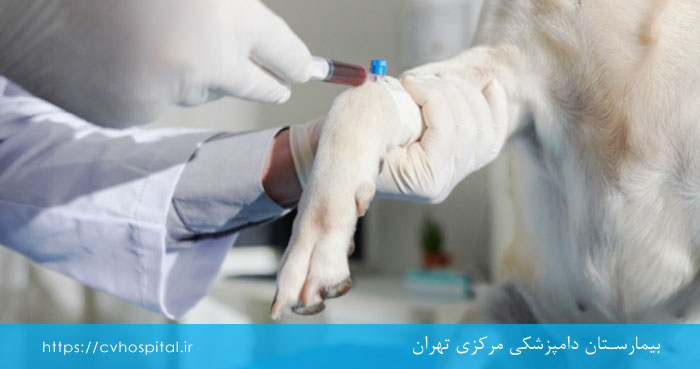 In some cases, especially when symptoms are mild or the diagnosis is difficult, more advanced tests such as PCR (identifying the genetic material of the parasite) are used. These tests have higher accuracy and are effective in identifying the exact type of parasite.
Treatment of Babesiosis
The treatment of babesiosis depends on the type of parasite and the severity of the disease. One of the main drugs used in treating this disease is Imidocarb. This drug is administered via injection and under the supervision of a veterinarian. In some cases, antibiotics such as clindamycin are also used to treat canine malaria. If the dog has also developed severe anemia, it may need blood transfusions in addition to medical treatment.
Duration of Treatment for Babesiosis
The duration of treatment usually varies from a few days to several weeks. During this period, the dog must be closely monitored. Early discontinuation of the medication or neglecting care principles can lead to a relapse of symptoms. 
Prevention of Babesiosis in Dogs
Preventing this disease is simpler and much less costly than treating it. To prevent infection, consider the following tips:
- Daily inspection of the dog’s skin and fur, especially after walks in nature
- Regular use of anti-tick medications
- Avoidance of areas suspected to harbor ticks, especially in warm seasons
- Regular check-ups by a veterinarian for early detection of any diseases
Conclusion
Babesiosis in dogs, which is also known as
Canine Malaria is also known as a disease that, if not diagnosed early, can have serious consequences for the animal. Initial symptoms may be mild, but if ignored, they can quickly lead to severe anemia, organ failure, and even death for the dog. Timely diagnosis, proper treatment, and adherence to preventive measures such as using anti-tick medications, regular check-ups for the animal’s health, and periodic visits to the veterinarian can be the best ways to combat this disease. In conclusion, we recommend reading the article Common Diseases in Dogs and Their Treatments for a better understanding of the common issues faced by dogs, and if you notice any suspicious symptoms in your dog, take him to the central veterinary hospital immediately.
Frequently Asked Questions
Is Babesiosis dangerous for humans as well? A type of Babesiosis can also cause illness in humans, but the parasites that cause the disease in dogs are generally not transmissible to humans. However, we always recommend taking tick control and treatment seriously for health reasons.
Can a dog become infected with Babesiosis again after treatment? Yes, if the dog comes into contact with infected ticks again or if the dog is a carrier, there is a risk of the disease returning.
What is the best way to prevent Babesiosis? Controlling the tick population with regular use of anti-tick medications, periodic check-ups, and avoiding high-risk environments are among the best prevention methods for Babesiosis.
Is Babesiosis a deadly disease for dogs? If the disease is at advanced stages or treatment is delayed, it can be fatal. However, if diagnosed promptly, it is treatable and there is no need to worry.
Sources: vcacanada.com / petmd.com