



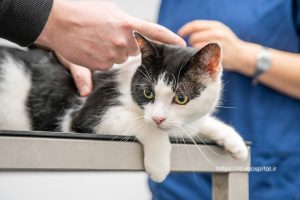


Constipation in cats occurs as a problem with defecation or a complete lack of it, which can cause mild to severe digestive issues for them. If the defecation problem in cats persists, the underlying causes must be identified and effectively addressed with treatment. This page will provide comprehensive information on the causes and treatments for cat constipation.
Clinical Signs of Constipation in Cats
To be aware of cats suffering from constipation, it’s necessary to examine their physical and behavioral symptoms. Constipation in cats manifests with several similar signs, which can help you recognize the issue in your cat upon observation:
- Straining for prolonged or intermittent periods while defecating
- Scratching the ground and playing for an extended time with the litter box
- Loud noises during defecation
- Decreased stool output
- Hard, dry, and pellet-like stools
Causes of Constipation in Cats
The factors that cause constipation in cats can be divided into several categories, each being a significant contributor to constipation in felines. Therefore, identifying these factors will aid in the timely diagnosis of this condition, allowing for appropriate treatment measures. The most influential factors in cat constipation are as follows:
Pain
Cats with pain in certain areas of the intestines may struggle with defecation. Intestinal pain can occur due to issues like abnormalities in the colon and also the ulceration of the intestinal wall from ingesting a hard object. Cats with arthritis, often of older age, may experience bone pain when entering and exiting their litter box, leading them to prefer infrequent defecation, which in turn causes constipation. The presence of wounds around a cat’s anus and the pain associated with that can also deter them from defecating. 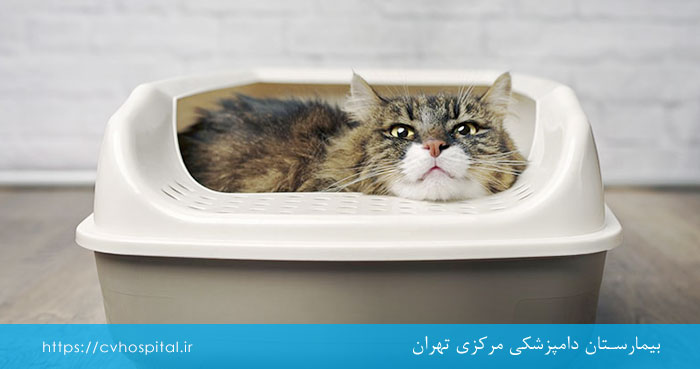
Dehydration
One of the primary reasons for constipation in cats is a reduction in body water, which can occur due to decreased water intake and kidney problems. When body water decreases, insufficient water is absorbed by the large intestine, disrupting its function, leading to constipation. If a cat has kidney issues, it may produce more urine, which further reduces body water levels.
Lifestyle Factors
Cats, due to their high cleanliness levels, may refuse to defecate under certain conditions, leading to constipation:
- Dirty litter box
- Unsuitable litter type
- Crowded and inappropriate location of the litter box
- Bad past experience with their litter box
- Competition for litter box usage with other cats
Metabolic Disorders
Constipation in cats can occur due to metabolic disorders, such as thyroid hormone deficiency, low calcium, and potassium levels, etc., which prevent normal contractions of the large intestine and result in stool retention.
Neurological Disorders
The nerves in the large intestine responsible for natural contractions and facilitating defecation may be damaged due to spinal cord injuries (from pulling a cat’s tail or accidents), leading to fecal incontinence and a lack of awareness of the need to defecate, causing constipation.
Narrowing of the Large Intestine
Obstructions in specific areas of the large intestine, which can arise from tumors, intestinal ulcers, foreign objects lodged, and incorrectly healed pelvic fractures, can trap stools behind the narrowed area of the large intestine, leading to constipation and megacolon. 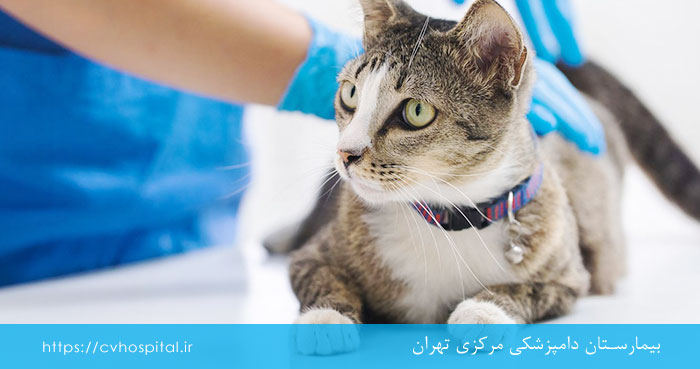
Idiopathic Megacolon
The problem of natural contractions in the large intestine and stool retention occurs during mild and recurrent constipation. Prolonged constipation in cats causes an increase in stool volume and its drying out in the rectum, enlarging its walls. Swelling in the large intestine and rectum results in the loss of the ability for forward movement of stool, causing it to become retained in the intestine and leading to megacolon. In some cats, this condition arises spontaneously due to a deficiency in the cat’s immune system.
Methods for Accurate Diagnosis of Constipation in Cats
Upon observing clinical signs, cats should be taken to the veterinarian for a proper and precise diagnosis to undergo thorough scientific tests and examinations. Implementing some of the following measures is necessary to accurately identify constipation:
- Blood and urine tests
- Ultrasound or X-rays
- Colonoscopy
- Detailed examination using sedation or anesthesia
Therapeutic Approaches for Constipation in Cats
Treating constipation in a cat depends on the severity of the constipation and their physical condition. In most cases, clinical and home treatment methods are effective for mild constipation. Administering medication and syrups for cat constipation is among the most common forms of treatment. However, in severe situations, hospitalization may be needed for intravenous fluid administration, administering laxatives to the stomach through a tube, and manually removing stools from the intestines under anesthesia. In some cases, the veterinarian may recommend surgery to treat a cat’s constipation, which involves (subtotal colectomy), where a portion of the large intestine is removed. In the urgent treatment process for cat constipation, age must also be taken into consideration. Treating constipation in kittens requires a high level of expertise; however, it can be managed by providing wet, fiber-rich food and appropriate massages.
Home Care for Complete Treatment of Cat Constipation
If cats suffer from constipation, it is essential to undertake measures known as (home care) to treat cat constipation at home and prevent recurrence:
Attention to the Level
Body Water of Cats
The main cause of constipation in cats is dehydration. Therefore, it is essential to pay adequate attention to their daily water intake and provide them with more moist food to ensure their body gets the necessary hydration.
Suitable Diet
Including soft, moist, and fiber-rich foods in the daily meals of felines significantly aids in their bowel movements. 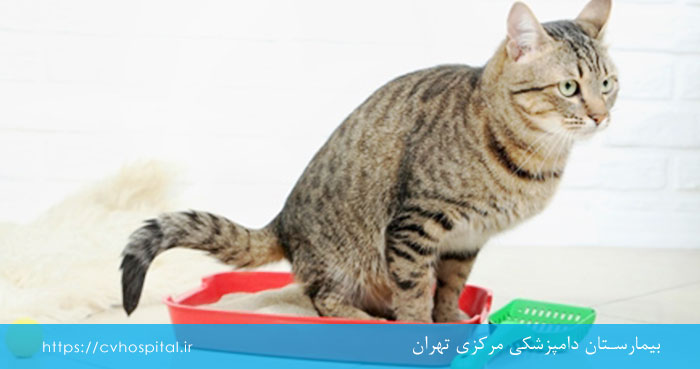
Use of Laxatives
If prescribed by a veterinarian, you can use standard laxatives to help relieve constipation in cats. Home remedies, such as olive oil, are also considered options for mild constipation and can be administered in limited quantities.
Use of Prokinetic Medications
Various medications for cat constipation, such as prokinetics, can improve large intestine contractions and facilitate bowel movements. Rectal suppositories for cat constipation are also commonly prescribed by veterinarians to address this issue. 
Use of Painkillers
Cats with arthritis and other physical pains should take painkillers as prescribed by their veterinarian to avoid discomfort during bowel movements, thus preventing fecal retention.
Final Words
Constipation in cats is a common condition that requires home and medicinal care for treatment. Neglecting to address this issue can lead to many problems for their large intestines, increasing the need for surgical intervention. Being aware of the signs of constipation, which include small, hard stools, pain during defecation, and excessive straining, can help in seeking appropriate treatment from a veterinarian.
Frequently Asked Questions
When is it appropriate to use cat constipation syrup? The special syrup for constipation should be used after a medical examination and upon the veterinarian’s prescription, with the method of use and timing explained by the vet.
Are suppositories effective for cat constipation? Yes, many veterinarians prescribe specific suppositories for cat constipation, which are one of the medicinal solutions to treat this condition.
What can be done at home to treat constipation in kittens? For mild cases, it’s better to increase fluid intake and watery foods, and assist in easier elimination through play and gentle stomach massage.
What is the treatment for constipation after Spaying/Neutering? If a cat experiences constipation 24 hours after surgery, they should be examined by a specialist veterinarian to receive appropriate treatments. Sources: icatcare Holisticpethq