






To ensure the birth of healthy kittens, it is important to know how to care for your pregnant cat. While pregnant cats are typically self-sufficient mothers who manage their pregnancies, there are things a pet owner can do to make this process safer and easier for the mother cat. In this article, you will learn everything you need to know about cat pregnancy; from necessary diet and care to stages of pregnancy and how to prepare a nesting area for the cat.
How long is a cat’s pregnancy?
In this situation, the first question that may arise when facing a pregnant pet cat or stray cats is how long does cat pregnancy last? It should be noted that cat pregnancy lasts about two months (averaging 63-65 days). This time frame is roughly divided into three 20-day periods, and in the first two periods, recognizing their changes may be difficult for non-experts. Note: For the health and longevity of cats, veterinarians recommend spaying cats. Read more about the necessity of spaying cats in this article: Spaying the animals domestic.
Stages of cat pregnancy
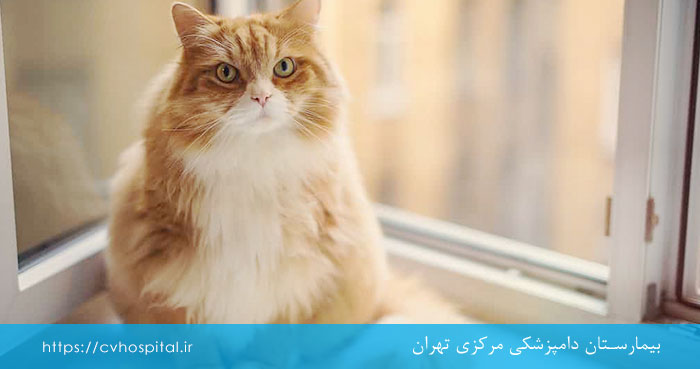
The cat’s pregnancy cycle should last between 63 to 65 days. The timeline of cat pregnancy is divided into three periods, each lasting approximately 20 days. In the first stage of a cat’s pregnancy (day 1 to 21), few changes are seen or they are not obvious to most pet owners. During this period, a slight increase in appetite may occur, and the nipples may begin to change. In the second period (day 21 to 42), more physical signs appear including an increase in the cat’s belly size and noticeable behavioral changes such as becoming calmer and more affectionate.
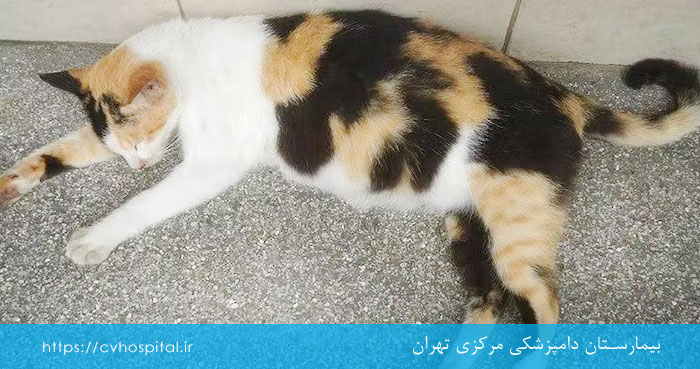
In the final stage of pregnancy (day 42 to 63), more changes are noticed. The cat’s belly swells, and changes in the nipples and mammary tissue increase. Appetite may sharply increase, and the cat may frequently lick her belly and genital area. The cat will also begin nesting to prepare a place for her kittens to be born; often secretly and away from any disturbance.
How to tell if a cat is pregnant?
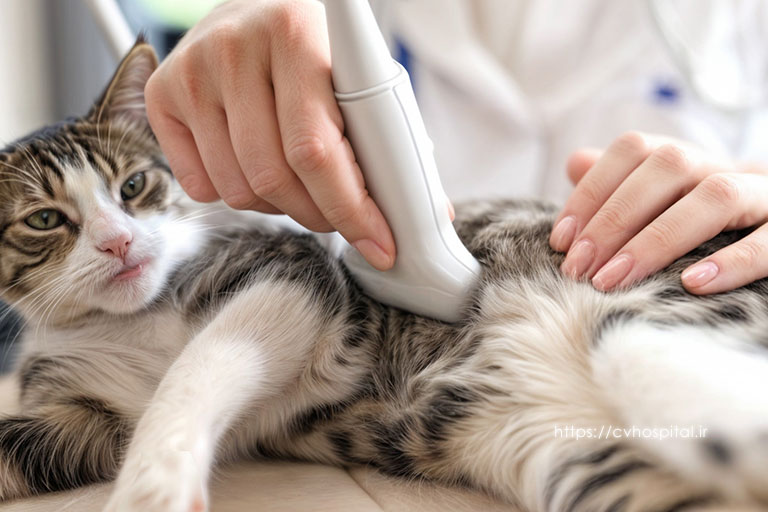
Detecting pregnancy in cats, especially in the first two periods, can be very challenging. The most definitive way to confirm pregnancy includes ultrasound, X-ray imaging, or palpating the abdomen. However, as a pet owner, you might ask what a pregnant cat looks like? Pregnancy signs in cats differ according to the stage of pregnancy. One early sign is the cessation of the cat’s heat cycle and discoloration and size changes in the nipples, appearing about three weeks after conception.
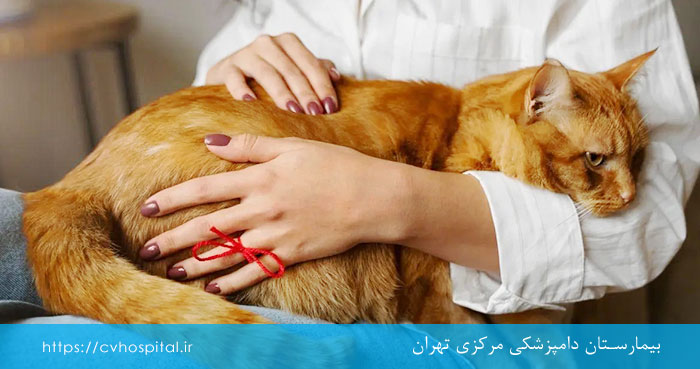 Therefore, the early signs of cat pregnancy may include changes in the nipples. This occurs around 16-20 days after pregnancy begins and is referred to as “pinking up.” At this stage, the nipples of the mother cat become pinker and more prominent. Cats often behave much friendlier and calmer than usual in the first two periods. In the last 20 days or so, the cat’s belly appears swollen and the nipples/mammary tissue become significantly enlarged. This means that the kittens continue to grow and the mother cat’s body is preparing for their birth. During these 20 days, cats may lick their abdomen and area under the tail frequently. They often search for a suitable place for nesting or giving birth.
Note:
- Pregnant cats may experience morning sickness, lethargy, or vomiting like humans.
- Changes in appetite are also common; some cats eat more, while others eat less.
- As the pregnancy progresses, the belly typically grows larger, but this change may not be clearly seen in overweight cats.
- Also, the cat’s behavior may change. Some may become more affectionate and dependent, while others may become withdrawn and seek a quiet place. These behavioral changes are usually normal if managed appropriately.
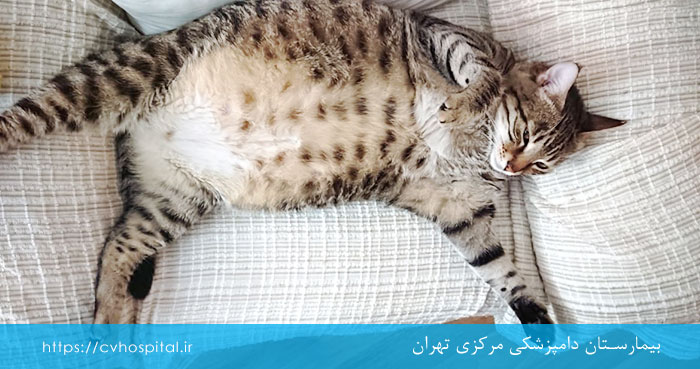 Signs of pregnant cats
How to tell how far along a cat is in pregnancy?
Determining the timing of a cat’s birth can be very difficult unless the cat mated intentionally and with the owner’s knowledge.
- The veterinarian may be able to palpate the embryos about two and a half weeks after pregnancy (through a manual examination).
- In the third to fourth week of pregnancy, the heartbeat of the kittens can be detected via ultrasound.
- When the kitten’s skeleton starts to calcify, which is roughly in the sixth week, the kittens can be seen via X-ray.
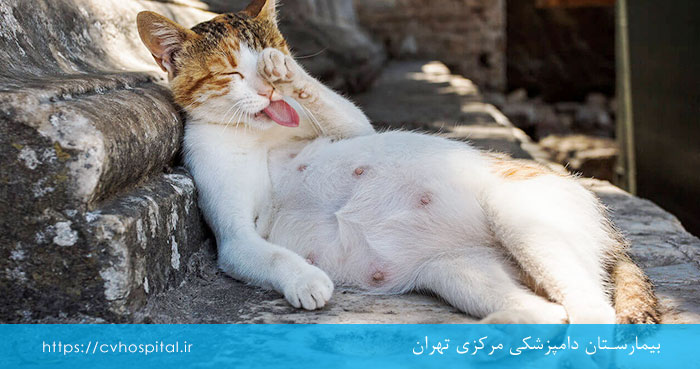 Appearance of a pregnant catCombining these growth criteria along with paying attention to physical changes and observing the behavior of the pregnant cat can help determine the progression of the cat’s pregnancy. However, it should be noted that cats have very short pregnancies. Therefore, some margin of error may exist. Visiting a veterinarian can also help rule out a rare condition known as pseudopregnancy. Cats with false pregnancy may experience enlarged breasts and even lactation without having kittens in their womb.
Caring for a cat during pregnancy
Pregnant cats have special health care needs. Ensuring a calm and comfortable place at home for them is very important for a successful pregnancy and delivery. The suitable place for a cat’s delivery should include plenty of blankets,
It should be an old towel or sheets placed inside a cardboard box or bed. The bed or box should be located in a quiet place, but at the same time, it should be in a location where it can be monitored from a distance to ensure safe progression of the birthing process. Note: Street pregnant cats also need a safe space for giving birth, which they usually find themselves. However, if you see a pregnant street cat and wish to help, you should place water and food at a distance and set up a cardboard box with a few clean towels and cloths in a corner away from the cat, so that there is no disturbance for her and your own safety is maintained.  Pregnant street cat
Diet for Pregnant Cats
Pregnant cats require a high-calorie diet to support the growth of healthy kittens. During the pregnancy, the nutrition of the mother cat is significantly different from regular food; they need a special diet that not only provides energy for the mother but also supplies essential nutrients for the development of the embryos and increased lactation. Pregnant cats should receive a combination of dry and wet food, especially foods rich in protein, fat, vitamins, and minerals; as this type of food improves the mother’s nutritional status and increases milk production after birth. Additionally, gradually increasing caloric intake by 5 to 10 percent is recommended for better adaptation of the cat’s digestive system without sudden changes. Furthermore, small and multiple meals are suggested to avoid digestion issues due to reduced stomach space caused by the growing embryos; having constant access to fresh and clean water is also vital. Raw or undercooked foods such as raw eggs, excessive chicken meat, dairy products (milk and cream), and unnecessary foods like bread and yeast should also be avoided, as they may disrupt nutritional balance and increase the risk of infection.
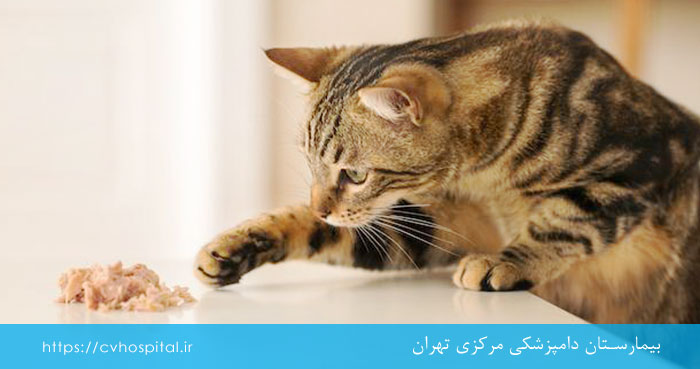 Pregnant cat eatingFinally, if there is a significant decrease in appetite, especially in the later stages of pregnancy, it is necessary to have the cat checked by a veterinarian to ensure the health of both the mother and the kittens. Therefore, if you suspect pregnancy or observe symptoms, be sure to bring the cat to the central veterinary hospital for examination and nutritional consultation. All the necessary items and reputable food for pregnant cats and birthing supplies including towels, blankets, sheets, etc., can also be purchased from the central hospital’s pet shop.
Key Points About Cat Pregnancy
- Female cats reach maturity at 6 to 7 months, while male cats mature around 11 months.
- The appropriate age for female cats to become pregnant is after one year.
- The ability to reproduce in females continues until 8 years of age, and in males until 10 years.
- A female cat can give birth twice a year.
- If a pregnancy occurs, the female cat will not come into heat again.
- The duration of pregnancy in cats is approximately two months, or about 63-65 days.
- Pregnant cats should be vaccinated before becoming pregnant, checked for deworming, and fed a special high-calorie diet.
- Most cats give birth to all their kittens within six hours.
- Typically, the female cat can go into heat and become pregnant again three weeks to a month after giving birth.
- A cat may gain up to 2 kilograms in weight.
- Maternal behaviors begin early in pregnancy.
- In the final weeks, the cat’s appetite greatly increases.
- During labor, the cat uses specific movements to push her belly.
- After the amniotic sac breaks, the cat licks the kittens to stimulate their respiratory systems.
- Then she cuts and swallows the umbilical cord.
- Average number of kittens: 4.
Frequently Asked Questions
Does a pregnant cat need to be monitored by a veterinarian? Yes, monitoring the cat reduces the risks associated with the cat’s pregnancy. How can I tell if my cat is pregnant? Early signs include reddening of the nipples (about 3 weeks post-mating), behavioral changes (becoming calmer and more dependent), and increased appetite. In later stages, the abdomen enlarges, and the cat seeks out a private place for birthing. If in doubt, be sure to consult a veterinarian. How long is a cat’s pregnancy? On average, it lasts between 63 to 65 days (about 2 months). This period is divided into three 20-day stages, each with different signs of pregnancy. How should I care for my cat during pregnancy? Provide nutritious, high-calorie foods in small divided meals, ensure fresh water is always available, prepare a calm and quiet birthing place, and if there is a severe decrease in appetite or unusual behavior, be sure to consult a veterinarian. How many times can a cat get pregnant in a year? This varies depending on the timing of the previous pregnancy and the cat’s condition after giving birth, but generally, she can become pregnant twice a year. What is the season for cat breeding? Breeding usually occurs in spring and summer, but depending on environmental conditions and weather, it may happen at other times as well.
Source: petmd