






When you take a dog or cat to veterinary clinics for treatment, you need to conduct tests there for disease diagnosis. Usually, to diagnose your pet’s illness, the veterinarian will suggest various tests based on their knowledge and experience. You will need to carry them out with the help of veterinary laboratory technicians. However, before carrying out these tests, technicians should pay attention to certain points to ensure that accurate results are obtained from the tests.
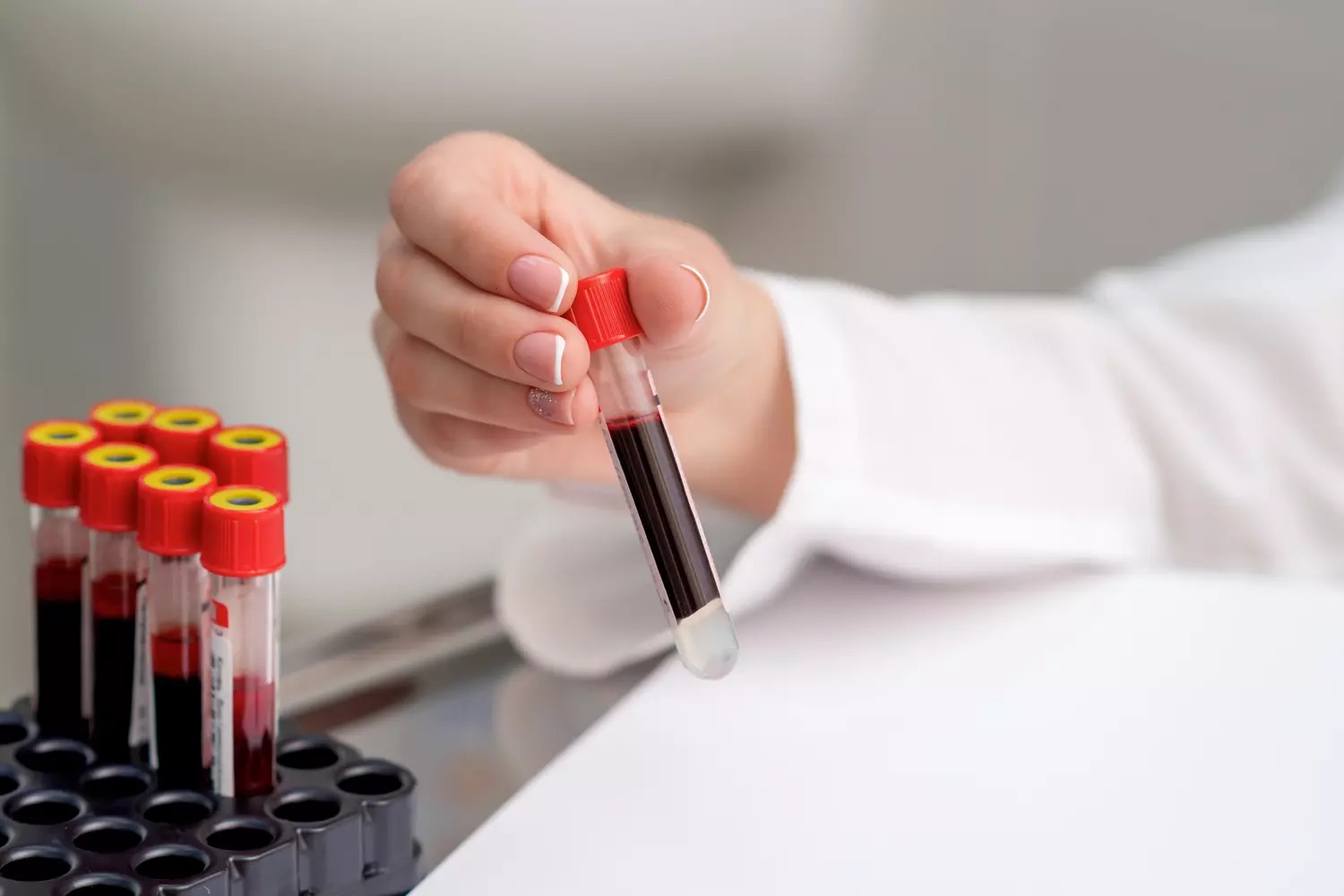
Important Points Before Writing Tests for Dogs and Cats
Conducting tests on pet dogs and cats requires attention to points that will be effective in their treatment process, and all veterinary laboratory technicians should pay attention to them. Considering these points helps them establish a realistic path for requesting tests and diagnose and treat the pet’s illness quickly. Here are some of those points for your better understanding: In the first step, the veterinarian will assess the type of illness based on clinical examinations and the elements observed in the pet, determining what factors are contributing to the illness in dogs and cats. The veterinarian will, based on their experience, assess which tests should be performed to accurately diagnose the illness in a pet cat or dog. The next point to consider before conducting tests on pets is what disorders could arise in correctly diagnosing and treating your pet’s illness if these tests are not carried out. In fact, which tests can assist the veterinarian in treating your pets better and more easily?
The Importance of Various Test Parameters for Animal Health
Another crucial question is how effective each of the parameters that the veterinarian considers for diagnosing the illness is for the pet’s health. For example, there is a case of a cat for treatment at the veterinary clinic that, after initial examinations, is suspected to have pancreatitis. For the correct diagnosis of this disease, a lipase test was requested. Now the main question is how much measuring lipase can aid in diagnosing pancreatitis in a cat. There are several tests that manifest differently in dogs and cats with varying sensitivities. In reality, the results of each of the tests in pets differ; therefore, we can understand how much these tests can assist the veterinarian in diagnosing illnesses. Thus, consider this question: how much can the test you are about to conduct help the veterinarian and technician in diagnosing this illness? 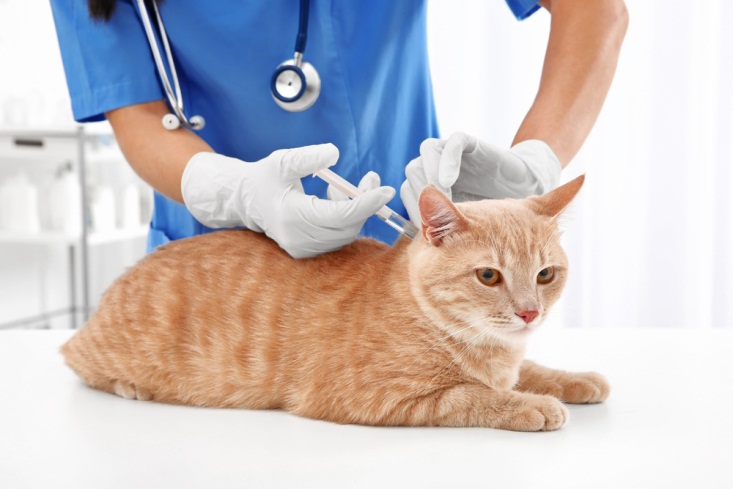
Correct Interpretation of Dog and Cat Test Results
Now in this section, you have requested your tests to the veterinary laboratory, and they will conduct this test on your male and female cats. Now the veterinarian needs to interpret your test results. To interpret your test results, there is a sheet with a series of data that the veterinarian must accurately interpret to correctly diagnose the illnesses of pets. A proper interpretation of the data will be effective in accurately diagnosing pet cats. For example, from AMP levels, they may notice that the AMP enzyme has increased; however, the interpretation depends on the differences between the increase in AMP levels compared to the normal amount.
Accurate Diagnosis of Pets’ Illnesses Within the Veterinary Laboratory
One point that you should keep in mind before conducting tests on pets is that the accurate interpretation of this data and their results should be conducted within the veterinary laboratory; therefore, when you receive the test results of your male and female dogs at the veterinary clinic, you should also understand what your pet’s illness is right there. If your pet needs to be prepared for surgery, what tests should be performed prior to the surgery in pets because some surgeries require initial tests that you should discuss with your surgeon.
Assisting the Pet’s Treatment Process
One of the crucial considerations before conducting tests on pets is how much these results aid the veterinarian in predicting the diagnosis and improvement of your pet. Additionally, the veterinarian must understand the current condition of your pet dog or cat to devise an appropriate treatment plan.
 Preparing the animal for the test
Initial Preparation of the Pet for Testing
When the veterinarian prescribes various tests for your pet, you must prepare them for these tests. For instance, for some of these tests, your dog or cat needs to be fasted, and for others, it’s essential to feed your pet to prevent restlessness during the test. Therefore, consult with your veterinarian before the tests. In some cases, to receive good results from your tests, you need to provide the veterinarian with specific information; here are a few points to mention:
- Report on any medications you give to your pet dogs and cats, along with the dosage used.
- The foods that pets consume throughout the day and which foods you are giving them as the best pet foods.
- Discuss your pet’s feeding habits.
- Bring the most recent medical records for your pet, such as vaccination cards, etc., to the veterinary clinic.
- Discuss the pet’s elimination habits with your veterinarian before the tests.
Conclusion
Veterinarians, before conducting various tests on pet dogs and cats…
Laboratory technicians should pay attention to certain points. These tips will help them make better decisions regarding the diagnosis of diseases and their treatments. The initial probabilities of the veterinarian for treating pets, potential disorders due to not conducting each of the tests in the accurate diagnosis of cat and dog diseases, the importance of performing each of the tests in the proper diagnosis of pet dogs and cats, correctly interpreting the test results of pets, accurately diagnosing diseases within the veterinary laboratory, preparing pets for testing, providing necessary information about the lifestyle and diet of pets, etc., are among these points that each have a significant impact on the treatment of dog and cat diseases. Our colleagues in the emergency department of the Central Veterinary Hospital are available 24/7 to provide emergency services to pet dogs and cats with all laboratory equipment.