






The period of heat in dogs is the time when a dog can mate and become pregnant. A female dog enters her first heat cycle (period) when she reaches sexual maturity. This cycle includes several stages, during a stage called estrus, the female dog can become pregnant. It is usually said that when a dog is in this stage, she is in her heat or period.
At what age do dogs come into heat?
On average, sexual maturity occurs around six months of age, but this timing can vary depending on the breed. Smaller breeds typically enter their first heat cycle earlier, while larger and giant breeds may not experience their first heat until they are 18 months or even two years old.
- Unlike humans, dogs do not go through menopause, and their heat cycle continues throughout their lives.

How often does a female dog come into heat?
Most dogs go into heat twice a year, but this interval can vary between breeds and individual dogs. Smaller breeds may cycle three times a year, while giant breeds may only go into heat once a year. In young dogs, the onset of cycles may be irregular, which is normal. It may take up to two years for the cycles to become regular. Unlike wild animals, domestic dogs typically do not have a specific mating season, except for breeds such as Beagles and sled dogs that often come into heat in the spring.
- Generally, although it varies by dog, the estrus stage lasts on average about 10 to 14 days.
What are the signs of a female dog going into heat?
How do we know if a female dog is in heat? During the heat period, a female dog shows physical and behavioral changes that are distinctly recognizable: The first sign is swelling or enlargement of the vulva, but this swelling is not always obvious. Vaginal bleeding is often the first symptom that owners notice. In some cases, this discharge may not appear until a few days after the heat begins. The amount of discharge varies in each dog. Vaginal discharge changes color and appearance throughout the cycle. Initially, the discharge is very bloody, but it gradually becomes lighter in color and watery. A female dog in heat may urinate more frequently than usual or exhibit marking behavior, meaning she may urinate small amounts on various objects both inside and outside the house. At this stage, the urine contains pheromones and hormones that signal her reproductive status to other dogs. This is how a female dog in heat attracts other dogs, especially males.
Male dogs can detect the scent of a female dog in heat from a considerable distance and may start to mark their territory by urinating around the house. In summary, the signs of a dog in heat include:
- Swelling of the genital area (vulva)
- Vaginal bleeding
- Frequent licking of the genital area
- Behavioral changes such as increased attachment or aggression
- Desire to mate in the middle of the cycle
- Increased urination and sometimes slight increase in body temperature

The stages of the heat cycle in dogs
The heat cycle in dogs consists of four distinct stages, each with its specific characteristics: The heat period (estrus) in female dogs typically lasts between 2 to 3 weeks, but this duration can vary based on breed, age, and individual characteristics of the dog, ranging from 10 to 21 days.
The heat cycle consists of four main stages:
- Proestrus (Proestrus): Lasts about 7 to 10 days. Signs: Swelling of the vulva, bloody vaginal discharge, attraction to male dogs, but not accepting mating.
- Estrus (Estrus): Lasts about 5 to 10 days. This stage is the time of ovulation and the highest likelihood of pregnancy. Signs: Vaginal discharge becomes clearer and more watery, the female dog accepts mating.
- Diestrus (Diestrus): Lasts about 60 days (whether pregnant or not). The dog is no longer receptive to mating, and the body returns to normal.
- Anestrus (Anestrus): Resting sexual period, lasts about 4 to 5 months. Then the cycle starts again.
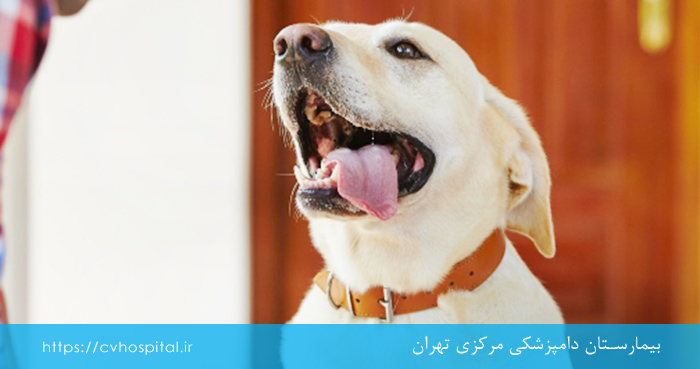
In which stage of the heat cycle can a dog become pregnant?
A female dog usually ovulates when the vaginal discharge becomes watery; this stage is the most fertile time for her and has the highest desire to mate. However, sperm can remain viable in the reproductive tract for up to a week and can fertilize the eggs, so a female dog may become pregnant at any time during the heat stage.
How can pregnancy in dogs be prevented?
The most effective way to prevent pregnancy is by spaying the female dog through surgery (ovariohysterectomy or ovariectomy) before her first heat cycle. Since it can be difficult to determine when the first heat will occur, most veterinarians recommend that this procedure be performed before the age of 6 or 7 months. 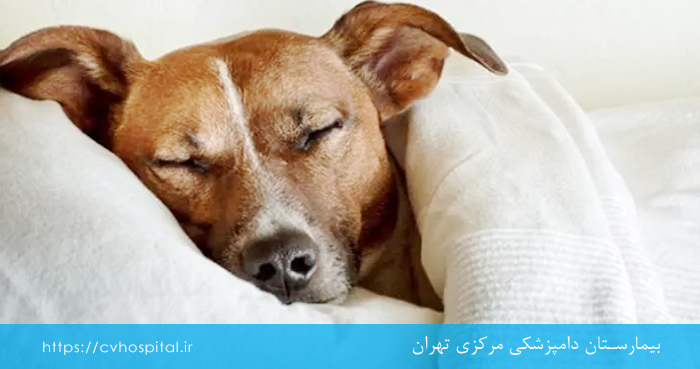 Actions to prevent unwanted pregnancies should be considered:
- Keeping the female dog away from male dogs during the heat period
- Using special period panties to control discharge and prevent mating
- Consulting with a veterinarian regarding spaying if you decide against breeding
What should I do if my dog accidentally mates?
Contact your veterinarian as soon as possible. There are injections to prevent pregnancy after mating, which can be used within the first two days, but these methods come with risks. The veterinarian will discuss options and potential risks with you. 
Should I let my dog experience a heat cycle or a pregnancy before spaying?
There is no scientific or valid reason for a dog to experience a pregnancy before being spayed. Research
Recent studies have shown that some large breeds (such as Labrador Retrievers, Golden Retrievers, and German Shepherds) may benefit from delaying spaying until after their first heat; however, the current consensus is that spaying increases the lifespan of dogs. Dogs can become pregnant during their first heat cycle, which increases the risk of unplanned pregnancies. Additionally, dogs do not engage in selective breeding and may mate with a brother to sister, father to daughter, or mother to son.
There is a common belief that female dogs become kinder and more sociable after having one litter. This belief is incorrect and only exacerbates the problem of overpopulation of dogs.
What risks does a female dog in heat face?
During this period, the female dog is more sensitive than ever and is at risk for issues such as:
- Unplanned pregnancy if contact with male dogs is not controlled
- Infections of the uterus, such as pyometra
- Increased stress and anxiety
- Health problems in the home environment if not cared for
How to care for a female dog during heat?
Caring for a female dog during this period helps to maintain her health and comfort:
- Use hygiene pads or suitable clothing to prevent environmental contamination
- Reduce stress by providing a calm and low-stimulation environment
- Keep the genital area clean with pet-specific wet wipes
- Limit contact with other dogs, especially male dogs
Nutrition for dogs in heat
During heat, some dogs may show changes in their appetite. To maintain their health, it is better to:
- Use high-quality food
- Ensure fresh water is available
- If necessary and with the veterinarian’s advice, use calming supplements
What causes late onset of heat in dogs?
If heat does not occur by the appropriate age, several reasons may be involved:
- Large breeds that naturally enter heat later
- Hormonal deficiencies
- Structural problems in the ovaries or uterus
- Malnutrition or underweight
Quick Overview
The heat period in dogs is a natural part of their life cycle that requires attention, awareness, and special care from the pet owner. Understanding the signs, stages, and necessary actions during this time not only helps prevent unwanted pregnancies but also ensures the physical and mental health of the dog. If you plan to have your dog breed or, conversely, want to prevent it, consulting with a veterinarian is the first and most important step.
Frequently Asked Questions
How do I know if my female dog is in heat? By observing signs such as swelling of the genital area, bleeding, excessive licking, behavioral changes, and attraction to male dogs. How long does the heat period last in dogs? The heat period (estrus) in female dogs typically lasts between 10 to 14 days. If my dog mates accidentally, what should I do? Consult a veterinarian immediately. Medications for preventing pregnancy may be effective if taken within the early hours. Do spayed dogs still have periods? No. With the removal of the uterus and ovaries, the heat cycle and bleeding cease. Does a female dog continue to have heat cycles for life? Yes. However, with age, the signs may become weaker or more irregular. When does a dog go into heat again after giving birth? Female dogs typically enter their next heat cycle 4 to 6 months after giving birth. This timeframe may vary based on breed, age, health status, and care conditions. 
When does a dog have its first heat? Usually around 6 months old, but in some breeds, it may take up to 1 year.
Can anything be done to prevent heat cycles? The only definitive method is spaying. Other methods are temporary. Is there pain associated with a dog going into heat? Dogs do not experience pain in the same way humans do, but they may become restless or anxious.
Are the signs of heat the same in all dogs? No. The intensity and type of symptoms can vary among dogs.
Does a spayed dog go into heat? No. Dogs that have been spayed (uterus and ovaries removed) no longer go into heat cycles and do not show symptoms.
Do dogs go through menopause? No. Unlike humans, female dogs do not undergo menopause and will experience heat cycles throughout their lives. However, the intensity and regularity of these cycles may decrease with age.
What is the best time for mating in dogs? Estrus typically occurs from day 9 to day 14 after the onset of heat (the first day of bleeding) and this is the best time for dog mating.
When does a German dog go into heat? The onset of heat in dogs and sexual maturity occurs around 6 months, but this timing may vary based on breed and various other factors, for example, German dogs may go into heat later due to their larger size.
What should I do when my dog is in heat? For comfort and cleanliness, it is better to use special hygiene pads for dogs, pay special attention to the dog’s behavior as she may be more sensitive and anxious during this period, so avoid placing her in stressful situations. If you notice severe bleeding or suspect an infection, consult a veterinarian.
What is the treatment for a dog that does not go into heat? If a dog does not go into heat, hormone therapy should be administered by a veterinarian.