


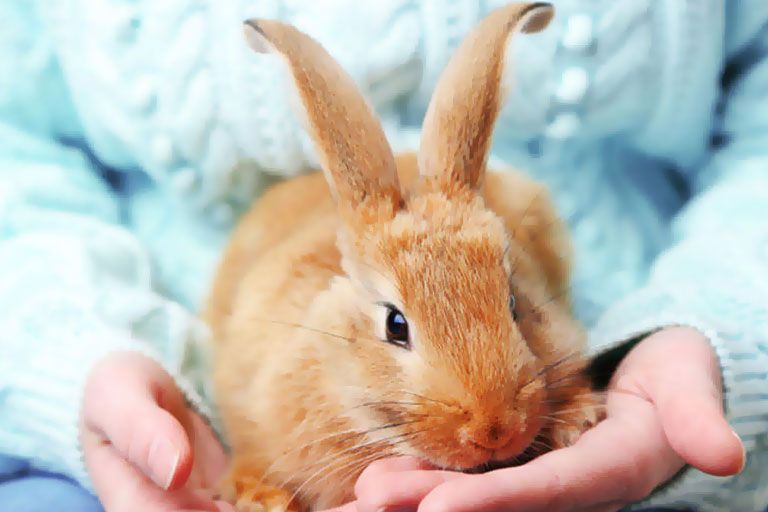




Rabbit diseases are generally rare, but knowing them helps protect both owners and pets. Rabbits are clean animals and generally keeping them poses very little health risk to humans. However, some individuals may experience issues, and it is better to identify symptoms and take prevention measures. It should be emphasized that health problems caused by rabbits are very rare, and owners should not worry about this. However, keeping rabbits is not entirely risk-free. Problems occasionally arise – usually not from diseases, but from allergies, which are the biggest health risk from pet rabbits.
Allergy to Rabbits
Rabbits need constant access to hay (or dried grass) to maintain their dental and digestive health, but this can create issues for people suffering from hay fever allergies. Furthermore, there is a risk of developing an allergy to the rabbit itself, as the rabbit’s fur can cause allergies over time, especially if the rabbit lives indoors. It is recommended to take measures to reduce exposure to allergens for you and your family. For example, only use high-quality, dust-free hay or dried grass. Designate parts of your home (especially bedrooms) as rabbit-free and hay-free zones to avoid continuous bombardment with allergens and regularly vacuum with a high-quality filter device. Brush your rabbit regularly to reduce the amount of dead fur in the house.
Rabbit Bites and Scratches
Although these injuries can be painful (rabbits have very sharp teeth and claws!), they rarely become infected and usually heal quickly. However, it is always best to carefully clean any bite or scratch (soap and warm water are sufficient) and cover any skin cuts before handling animals or meat; and if any signs of infection (like redness/spreading from the wound) appear, consult a doctor. 
Diseases Humans Can Get from Pet Rabbits
Diseases that humans can catch from animals are called zoonoses. Some zoonoses have been reported from pet rabbits, but none are significantly dangerous to healthy individuals: Cheyletiella fur mites are commonly seen in pet rabbits; this condition is often known as walking dandruff. They can cause mild and often itchy rashes in humans. If your rabbit has been diagnosed with Cheyletiella and you are concerned that you or a family member may have contracted it, it is advisable to consult a doctor. You will also become familiar with some other diseases common between rabbits and humans.
1. Pasteurella
The bacterium Pasteurella multocida (one possible cause of rhinitis, a chronic respiratory disease that causes sneezing and nasal discharge) is often hidden in the mouth and nasal passages of many rabbits. Theoretically, this could lead to a Pasteurella wound infection if a rabbit bites a human, but in reality, it is rare for a rabbit bite to become infected. There are two reasons for this. First, bites from omnivorous or carnivorous animals are more likely to be infected than rabbit bites: cat bites are notorious for having high infection risk due to bacteria like Pasteurella. Secondly, rabbit teeth are chisel-shaped, and the bite wounds from rabbits are broader at the top than at the bottom, which aids healing. However, it is always best to carefully clean any bite or scratch with soap and water and ensure that your tetanus vaccine is up to date.
2. Tetanus
Five tetanus vaccine doses are currently considered lifelong protection against tetanus for minor injuries like cuts and scrapes. Children are also covered if their vaccinations are up to date. If you are unsure how many tetanus shots you have had in total, it is best to consult your doctor to know if you need a booster. 
3. Bacteria
Other bacteria that can cause rhinitis – Bordetella bronchiseptica – are sometimes found in healthy rabbits. This type of bacteria causes kennel cough in dogs and is related to Bordetella pertussis, which causes whooping cough in humans. Reports have described mild and self-limiting cough diseases in humans caused by B. bronchiseptica, but only individuals with very weak immune systems should be concerned.
4. Fleas
Rabbits can get fleas that can also bite humans. The true rabbit flea is rarely found in pet rabbits unless they have contact with wild rabbits. Cat or dog fleas are much more common, so it is not surprising to say that cats and dogs are the primary source of rabbit flea infestations. Houses with multiple pets require a multi-species flea control strategy, and this has now become easier with specific products approved for use in dogs, cats, and rabbits. Never use flea control products that are not approved for use in rabbits – some dog/cat flea treatments can be dangerous for rabbits.
5. Ringworm
This is actually a fungal infection, not a worm – it can be transmitted from rabbits to humans and vice versa! Both rabbits and humans need treatment. Theoretically, salmonella, listeria, and pseudo-tuberculosis can be transmitted from rabbits to humans, but the risk is very low, and you are more likely to get these diseases from contaminated food.
6. E. cuniculi
E. cuniculi is a parasite that causes several health problems in pet rabbits. Studies have indicated that 52% of clinically healthy rabbits are exposed to this parasite during their lifetime. The number of people who may exhibit clinical symptoms of the parasite is unknown. The E. cuniculi parasite can infect humans, but it is considered to be mainly dangerous for individuals with very weak immune systems. If you have a very weak immune system, it is advisable to consult your doctor about the risks.
You don’t need to worry about diseases that you might get from your pet rabbits. Exceptions are individuals with very weak immune systems (for example, due to chemotherapy, long-term steroids, or HIV/AIDS). These individuals need to take extra precautions regarding all animals (and humans!) because their immune system may not be strong enough to protect them from infections that most people easily recover from. Contact between humans with weak immune systems and sick animals is particularly dangerous. Pet owners who have medical conditions that significantly affect immune function should speak with their doctor and/or veterinarian for more specific advice. 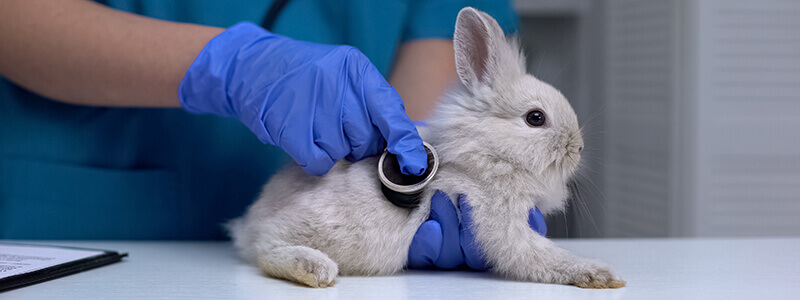
Diseases that rabbits can catch from humans
We are not aware of many diseases that rabbits can catch from humans. We previously mentioned ringworm, but whether this is because diseases do not transfer from humans to rabbits, or whether we do not recognize them or look for them remains unclear. One of the risks that most rabbit owners are unaware of is that rabbits are very sensitive to the herpes simplex virus or HSV, which causes cold sores in humans. The HSV virus can cause unpleasant brain infections (encephalitis) in rabbits. Literature has reported rabbits affected by encephalitis after close contact with their owners suffering from HSV cold sores. It is unclear how significant this risk is, but until more information is available, we recommend that owners of rabbits with active cold sores wash their hands before handling their rabbit and refrain from kissing the rabbit until the cold sore has healed.
Final Thoughts
In this article, we discussed the common diseases between rabbits and humans. If your pet rabbit shows any of these symptoms or injures you, please see a veterinarian immediately. It is worth mentioning that the emergency department of the Central Veterinary Hospital is open 24/7 providing veterinary services for emergency cases.