


Perineal herniation in dogs refers to the protrusion of some internal organs from the abdominal or pelvic cavity around the anus. This problem is predominantly more common in older, unneutered male dogs, although female dogs may also face such conditions. In this article, we address the symptoms, diagnosis, and treatment of this issue.
What is perineal herniation in dogs?
The perineum, also known as the pelvic floor in humans, is the area between the anus and the scrotum or vulva (in females). This part of the body supports the pelvic organs. A perineal hernia occurs when a weakness or tear in the muscles of this area, due to trauma or weakness, leads to a disruption. As a result, the bladder, intestines, or fat may be pushed abnormal positions just beneath the skin.
Perineal hernias are more commonly seen in unneutered male dogs, particularly middle-aged or older ones, and are rare in cats and female dogs.
What are the clinical symptoms of perineal hernia?
A perineal hernia may appear as swelling on one or both sides of the dog’s anus. Depending on the amount of protruding tissue, this bulge may even push the rectum to one side. The swelling is usually soft and can be pushed back with pressure. Dogs with perineal hernias typically strain frequently to defecate, may have difficulty passing stool, or suffer from constipation. If the bladder is also herniated, they may experience straining while urinating, urinary incontinence, or inability to urinate. In severe cases, such as when the intestines or bladder protrude and lead to urinary obstruction, dogs may become lethargic and lose their appetite. If blood flow to the bladder or intestines is disrupted, the condition can be life-threatening.
What causes perineal hernias; why has my dog developed this issue?
Although trauma may cause a hernia, the more common cause is gradual weakening of the muscles in the area. The exact reason for this weakness is not fully understood, but the following factors may play a role:
- Since male dogs are more affected, hormones seem to play a role in the development of this hernia.
- Neurological dysfunction in this area, such as those seen in spinal injuries.
- Frequent straining can also lead to muscle weakness and ultimately herniation.
Preventing perineal hernias
While it is not possible to definitively prevent perineal hernias, certain measures can reduce the likelihood of occurrence: Neutering: Neutering male dogs can significantly reduce the risk of perineal hernias, as it lowers hormone levels such as testosterone, thus preventing gradual weakening of the pelvic muscles. Weight management: Overweight increases pressure on pelvic floor muscles and predisposes to hernias. Maintaining a balanced weight through healthy diet and regular exercise is crucial.
Early diagnosis: In breeds that have a higher predisposition to perineal hernias, regular veterinary check-ups are vital. Early diagnosis of symptoms allows for faster and more successful treatment. 
What tests need to be performed?
The veterinarian may be able to palpate the hernia or abnormal space in the rectum during a rectal exam. Initial tests include complete blood count (CBC), blood biochemistry, and urinalysis, helping to identify underlying diseases that complicate treatment. Furthermore, if the bladder has herniated and caused urinary obstruction, these tests may also reveal kidney issues. Imaging via radiography (X-ray) or ultrasound helps to determine which structures have protruded through the perineal muscles and is useful for examining prostate disease and other pelvic or abdominal problems. Rarely, if a dog seems neutered but has actually retained testicles in the abdomen, ultrasound can identify them. If there are doubts regarding the dog’s neutering, hormonal tests may be recommended.
How is perineal hernia treated in dogs?
Typically, a perineal hernia does not require emergency intervention; however, if the dog is severely ill due to urinary obstruction, the bladder must be drained through a catheter to allow for normal urination, along with supportive care such as IV therapy. In cases of severe constipation, feces may need to be manually removed under anesthesia or sedation. To alleviate constipation until surgery (or in cases where surgery is not performed), special diets and stool softeners may be used. Prostatitis or other causes of straining must also be treated. The main and effective treatment for perineal hernias is surgery to repair the muscular defect. Simple hernias can be repaired from outside the body, but in complex cases, abdominal surgery may be necessary to return the herniated organs to their position and stitch them in place to prevent recurrence. In severe cases or when re-surgery is needed, supportive meshes may be used to strengthen the muscles.  Neutering alongside hernia surgery is highly recommended, as well as addressing any other causes of straining. Dogs that have not been neutered at the time of hernia surgery are approximately three times more likely to experience recurrence of the hernia. Since hernias often occur bilaterally, a second surgery is usually required to repair the other side.
Post-operative care for dogs with perineal hernia
After surgery, careful and proper care plays a significant role in reducing the likelihood of complications. This care includes the following: Pain management: Pain relief medications may be prescribed as needed to help the animal recover better and stay comfortable. Use of an Elizabethan collar: To prevent the animal from licking or chewing the surgery site, it may be necessary to use an Elizabethan collar or protective collar. Infection prevention: In some cases, the veterinarian may prescribe antibiotics to prevent infection and support healing. Managing bowel movements: In animals that experience incontinence or difficulty with defecation, a special diet or the use of laxatives may be required to facilitate bowel movement. 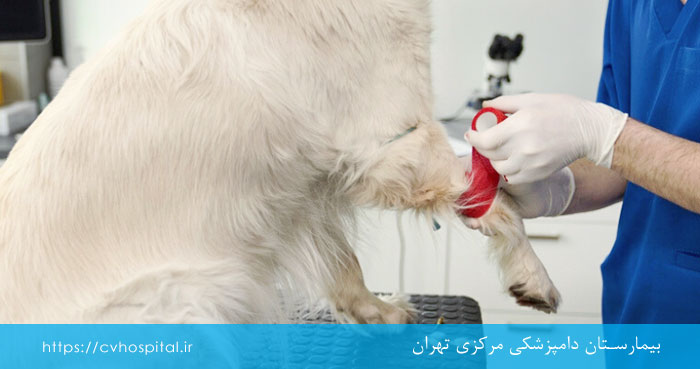
Prognosis or outlook for treating perineal hernia in dogs
If surgery is successfully performed, the prognosis is very good. Although recurrence of the hernia is possible, it is significantly reduced by managing straining and neutering the dog. Rare surgical complications include infection, suture dehiscence, fecal incontinence, and sciatic nerve damage. Due to the technical complexity of this type of surgery, referral to a veterinary surgical specialist is often recommended. If the patient does not undergo surgical treatment, or if surgical techniques are not performed correctly, or if the cause of straining is not addressed, the prognosis may be more cautious and worse.
Summary
Perineal hernia in dogs occurs when organs such as the bladder or intestines are displaced from their original position due to weakness or laxity of the pelvic floor muscles (especially the diaphragm muscles of the perineal area) and exert pressure around the anus, leading to the formation of a bulge and a change in appearance in that area. The most important clinical symptoms of perineal hernias include difficulty and straining in defecation, and if the bladder is involved, trouble urinating. In many cases, this bulge around the anus only appears when the intestines or bladder are full and may not be seen at other times. The primary treatment for perineal hernia is surgery. Considering the role of sex hormones, especially testosterone, in the strength of perineal muscles, it is advisable for the animal to be neutered concurrently with the corrective surgery (unless it has already been neutered). This action will reduce the likelihood of recurrent hernia.
During surgery, extreme caution must be exercised, as some sensitive structures such as nerves or intestines may be located at the site of the hernia, and carelessness may cause damage. Adhering to surgical principles and necessary precautions by the surgeon will prevent harm to other abdominal or pelvic organs. If the surgery is performed skillfully and correctly, complications will be very minimal. However, if problems occur during surgery, complications such as urinary retention, urinary or fecal incontinence, and, in rare cases, nerve damage to the leg and lameness may occur. Overall, this type of surgery requires the experience and skill of the veterinary surgeon, but if carried out correctly, the prognosis will be very good and successful.
Frequently Asked Questions
Can perineal hernia be prevented in dogs? While there is no definite prevention, the risk can be reduced by the following measures: early neutering, preventing obesity with proper diet and exercise, and regular veterinary check-ups, especially in predisposed breeds.
How can we tell if a dog has a perineal hernia? Signs such as a bulge or swelling in the area between the anus and the genital organs, difficulty defecating, constipation, or fecal incontinence may indicate this problem. If you observe these symptoms, be sure to consult with your veterinarian for thorough examination and accurate diagnosis.
Can perineal hernia be treated without surgery? In most cases, the primary treatment for perineal hernia is surgical intervention to strengthen weak muscles and reposition displaced organs. However, in specific cases where the hernia is small or surgery is deemed risky for the animal, non-surgical treatments such as medication, dietary adjustments, or symptom management may be considered. The decision should be made based on the veterinarian’s assessment.