






Heartworm or Dirofilariasis is a parasitic disease that can cause serious damage by the entry of worm larvae into the heart and lungs, especially in dogs. This disease is one of the common concerns for pet owners, and there are misconceptions about its transmission to humans. In this article, we scientifically examine the modes of transmission, symptoms, treatment, and prevention of this disease.
What is Heartworm or Dirofilariasis?
Heartworm or Dirofilariasis (Heartworm Disease) is a dangerous parasitic disease caused by a parasite known as Dirofilaria immitis. This parasite infects not only dogs, but also cats, ferrets, and some other mammals. Dirofilariasis is a type of long, thin worm that can sometimes reach a length of 30 centimeters. After entering the animal’s body, it takes about 6 to 7 months to grow and reach the heart and lungs. The worms can survive in these areas for years, blocking proper blood pumping by accumulating in the heart. As a result, this disease may lead to heart failure in the animal.

Symptoms of Heartworm Disease in Dogs
The severity of heartworm disease symptoms depends on the level of damage to the heart and lungs. In infected dogs, this disease is usually associated with the following signs:
Common Symptoms
- Persistent dry cough
- Lethargy and decreased activity
- Reduced tolerance to physical activities
- Fainting or sudden weakness
- Sudden death (in severe cases)
Advanced Symptoms
- Noticeable weight loss
- Difficulty or noisy breathing
- Severe and unexplained panting
- Right-sided heart failure
- Fluid accumulation in the abdomen (ascites)
Diagnosis of Heartworm in Dogs
To diagnose Dirofilariasis or heartworm disease, the veterinarian combines clinical examinations, blood tests, and diagnostic imaging. This is done as follows:
Clinical Examination and Detailed History
- The veterinarian examines the general condition of the animal and asks about symptoms, history of preventive medication, and exposure to mosquitoes.
Specialized Blood Tests
- Antigen Test: This test detects adult female heartworms and is more accurate after the 7-month mark.
- Microfilaria Test: Checks for the presence of heartworm larvae (microfilariae) in the blood.
Imaging to Assess Disease Severity
- Chest X-ray: To observe the condition of the heart and lungs and detect any structural changes.
- Echocardiography (cardiac ultrasound): For direct assessment of heart function and identification of live worms in the pulmonary vessels.
- If necessary, electrocardiogram (EKG) and blood pressure tests may also be performed.
How is Heartworm in Dogs Treated?
Once the veterinarian confirms that the dog is infected with heartworm, a suitable treatment plan is determined based on the severity of the disease and the dog’s condition. The treatment steps are as follows:
Initial Medications to Prepare the Dog’s Body
- Corticosteroids (steroids) to reduce inflammation caused by the worms
- Antibiotics (like Doxycycline) to kill the symbiotic bacteria (Wolbachia) that the worms depend on to survive
- Heartworm preventive medication to stop larvae growth and clear microfilariae from the blood
Main Treatment with Melarsomine Injection
- This drug is arsenic-based and eliminates adult heartworms
- Administered in three doses: day 60, day 90, and day 91 after starting treatment
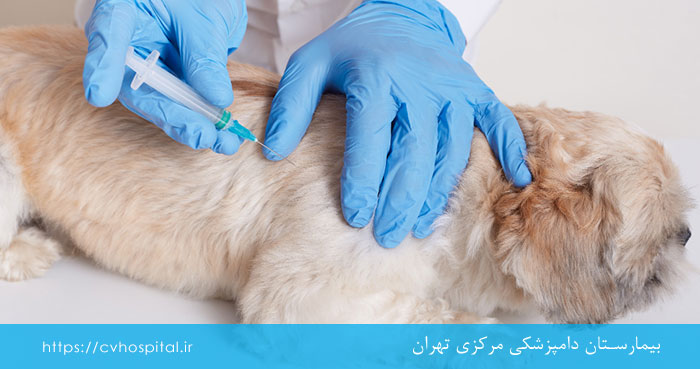
- Injected intramuscularly in the lumbar area and may require pain relief medication.
Final Test to Ensure Complete Recovery
- 9 months after the end of treatment, a final test is conducted to check for the presence of heartworms in the dog’s body
- If the result is negative, the treatment has been successful
Preventing Re-infection
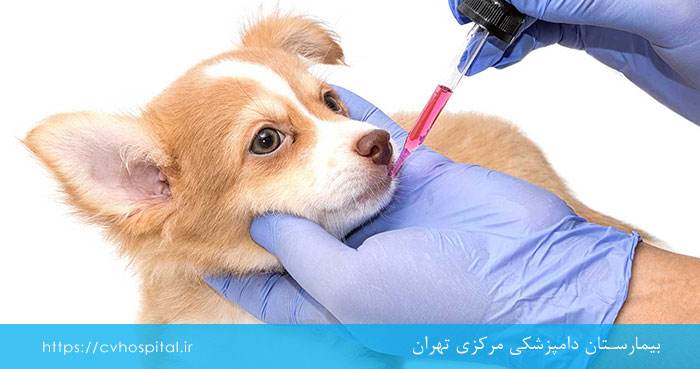
- The dog must be kept on a monthly heartworm prevention program to avoid re-infection.
Post-treatment Care for Heartworm in Dogs
After treatment begins, caring for the dog plays a crucial role in the success of the treatment and prevention of complications. During this period, physical activity should be limited as much as possible, and the dog should spend most of its time resting. Activities like running, playing, or even short walks can be dangerous. Additionally, regular intake of prescribed medications by the veterinarian and proper nutrition significantly impact the animal’s recovery process. After finishing the initial treatment, the dog should undergo regular veterinary check-ups to monitor the status of its heart and lungs. These examinations help ensure complete recovery and, if necessary, implement additional treatment measures. Careful management and regular follow-up are key to preventing disease recurrence and maintaining the long-term health of the animal.
Preventing Heartworm Disease in Dogs
Preventing heartworm in dogs is much easier, cheaper, and safer than treating it. To protect the dog, prevention must be carried out regularly throughout the year so that the parasite does not enter the animal’s body. There are various methods for prevention, which are mentioned below: Monthly Oral Medications: These medications are provided in chewable or swallowable forms and are administered once a month. Topical Formulations (Spot-on): Applied topically to the dog’s skin (usually on the back of the neck) and prevent larvae entry through skin absorption. Long-acting Injections: Some injections provide full protection to the dog for 6 or 12 months and are a suitable option for busy owners.

Combination Products: This category of medications not only prevents heartworm but also protects against other parasites (such as fleas, ticks, or gastrointestinal worms).
Conclusion
Heartworm is a serious disease, but timely care and prevention can help avoid it. Early diagnosis and treatment follow-up by the veterinarian play a crucial role in maintaining the animal’s health. For consultation and assessment of the pet’s condition
You can contact the numbers available on the Central Veterinary Hospital of Tehran’s website and receive specialized advice from our colleagues.
Frequently Asked Questions
Can humans also get heartworms? In very rare cases, humans may become infected with a specific type of Dirofilaria, but the disease does not manifest in an active or dangerous form like in dogs.
Is heartworm treatment in dogs definitive? Treatment is usually successful, but it may require several months, special care, and in some cases, retreatment.
Can heartworms be transmitted from one dog to another? No. The only transmission route is through the bite of an infected mosquito, and the disease is not transmitted directly between animals.
Source: https://www.petmd.com/dog/conditions/infectious-parasitic/heartworm-disease-in-dogs