




Canine Parvovirus Infection (CPV) or parvo is a relatively new disease that first appeared in dogs in 1978. CPV has garnered significant public attention due to the severity of the disease and its rapid spread among dog populations. The virus that causes this disease is similar to feline panleukopenia. The two diseases are almost identical. (It is believed that the dog virus is a mutated version of the cat virus. However, this has never been scientifically proven.) The most important canine parvoviruses include CPV-2, CPV-2a, CPV-2b, and CPV-2c; all of them cause the same disease and the vaccines cover all types of this virus. CPV-2 and CPV-2c are associated with more severe disease. Fortunately, diagnostic tests for parvovirus identify all strains of the virus.
How does a dog become infected with parvovirus?
The primary source of the virus is the feces of infected dogs. Susceptible dogs become infected by ingesting the virus. After ingestion, the virus enters the tonsils or lymph nodes, where it attacks lymphocytes (a type of white blood cell) and then spreads through the bloodstream to many areas of the body, especially the bone marrow and intestinal lining. Unlike most other viruses, CPV is stable in the environment and is resistant to heat, detergents, alcohol, and many disinfectants. A 1:30 bleach solution kills the infectious virus. Infectious CPV has been recovered from surfaces contaminated with dog feces even after three months at room temperature. Due to its environmental stability, the virus is easily transmitted through the fur or paws of infected dogs or from contaminated shoes, clothing, and other items. Direct contact between dogs is not necessary for the virus to spread. Infected dogs showing clinical signs usually become ill within three to seven days after exposure to the virus.
What are the clinical signs of parvovirus?
The clinical signs of CPV can vary but generally include severe vomiting and diarrhea. Diarrhea often has a strong odor, may contain a lot of mucus, and may or may not contain blood. Additionally, infected dogs often show lack of appetite, noticeable lethargy and depression, and fever. It is important to note that many dogs may not show all clinical signs but vomiting and diarrhea are the most common and consistent symptoms. (Vomiting usually starts first).
Parvo can affect dogs of all ages, but it is more common in unvaccinated dogs under one year old. Young puppies under five months usually suffer the most severe damage, and their treatment is difficult. Any unvaccinated puppy that shows severe vomiting or diarrhea should be tested for CPV.
How is parvovirus diagnosed?
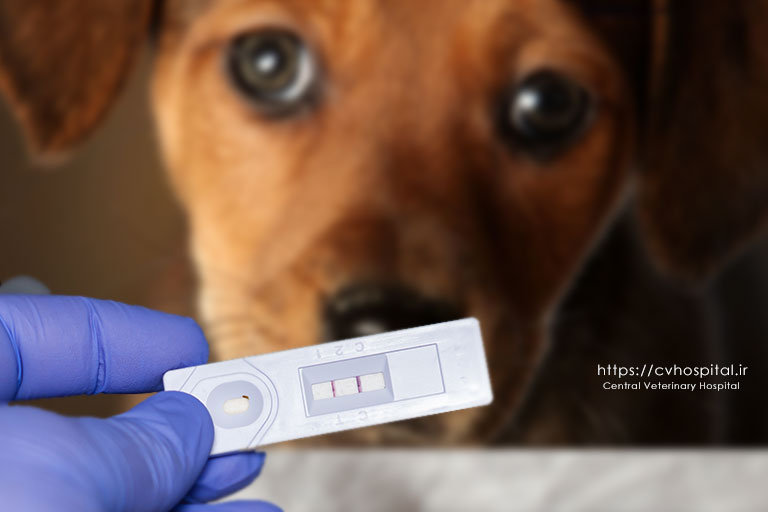
The clinical signs of CPV infection can resemble many other diseases that cause vomiting and diarrhea. As a result, diagnosing CPV can often be challenging for veterinarians. A positive confirmation of CPV infection requires the demonstration of the viral antigen or virus in feces or the detection of CPV antibodies in blood serum. There is a simple in-clinic test for CPV that screens for the disease. Sometimes, a dog has parvovirus but the virus test in feces is negative. Fortunately, this is a rare occurrence. The diagnosis is often based on a decrease in white blood cell count (leukopenia) and clinical signs. If further confirmation is needed, feces or blood can be sent for additional tests to a veterinary laboratory. The absence of leukopenia does not mean that a dog does not have a CPV infection. Some clinically sick dogs may not have a low white blood cell count.
How is parvovirus treated?
There is no treatment for the virus. However, it does not directly cause death. Instead, it destroys the inner lining of the intestines and weakens the immune system by affecting the white blood cell count. Intestinal damage leads to severe dehydration (loss of fluids), electrolyte imbalance (sodium and potassium), and infection in the bloodstream (septicemia). Septicemia occurs when bacteria that normally live in the intestinal tract are able to enter the bloodstream. If septicemia occurs, the likelihood of the dog’s death increases.
The first step in treatment is to correct dehydration and electrolyte imbalance. This requires the administration of intravenous fluids containing electrolytes. In severe cases, plasma transfusion may be performed. Antibiotics and anti-inflammatory medications are prescribed to prevent or control septicemia. Antinausea medications are used to suppress vomiting that perpetuates issues.
What is the prognosis for parvovirus?
Most dogs infected with CPV recover with aggressive treatment if it starts before severe septicemia and dehydration occur. For reasons that are not fully understood, some breeds, especially Rottweilers, Doberman Pinschers, Labrador Retrievers, American Staffordshire Terriers, and certain sled dog breeds, have a much higher mortality rate than other breeds. In most cases, puppies that do not improve by the third or fourth day of treatment have a poor prognosis.
Can parvovirus be prevented?
Vaccination of dogs is the best way to protect against CPV infection. Puppies receive the parvovirus vaccine as part of their core vaccination series. It is recommended that this vaccine be administered at 8, 12, and 16 weeks of age. In some high-risk situations, veterinarians may administer the vaccine at two-week intervals and an additional booster at 18 weeks old.
Is there a way to eliminate the virus from the environment?
The stability of CPV in the environment makes the use of appropriate disinfectants in contaminated areas essential. A solution of 3/4 cup of chlorine bleach in one gallon of water (133 mL: 4 liters) disinfects food and water containers and other contaminated items. Chlorine bleach should be used because most disinfectants, even those that claim to be effective against viruses, do not eradicate canine parvovirus.
Is parvovirus dangerous for cats or humans?
Currently, there is no evidence that CPV is transmissible to cats or humans. If your dog shows any suspicious symptoms mentioned in this article, it should be examined and diagnosed at the earliest possible opportunity. For information on how to visit and consult with a veterinarian, please call the numbers listed on the site so that our colleagues at the Central Veterinary Hospital can guide you.
Sources: vcahospitals.com, dogster.com, webmd.com