


The diet of pets, especially for dogs and cats, is not only a necessity for physical growth and health but is also recognized as one of the key factors in enhancing the quality of life for these beloved creatures. An appropriate diet can directly affect the animal’s lifespan, the health of skin and fur, strengthen the immune system, and prevent chronic diseases. In contrast, poor and unscientific nutrition can lead to issues such as obesity, extreme thinness, internal organ failures, and even behavioral disorders.
Since many pet owners do not have sufficient information about their pet’s nutritional needs, their concerns about diet and choosing the best type of food are completely natural. Therefore, the Central Veterinary Hospital has launched a “Pet Nutrition Clinic” in Tehran to provide owners with scientific, principled, and personalized nutritional services.
Pet Nutrition Clinic in Tehran
This clinic utilizes up-to-date veterinary knowledge and a team of experienced professionals to design precise dietary plans tailored to the characteristics of each animal; programs that are not only arranged based on the breed, age, and activity level of the pet but also consider medical conditions, weight status, and even the lifestyle of the animal.
The main audience of this clinic consists of pets that require specific diets for various reasons. Therefore, the accurate classification of animals based on body conditions, medical history, and nutritional needs is the starting point for the dietary design process at the clinic; a process that specifically aims to improve health, enhance quality of life, and increase the lifespan of pets. Below, we introduce three categories of services provided at the veterinary nutrition clinic.
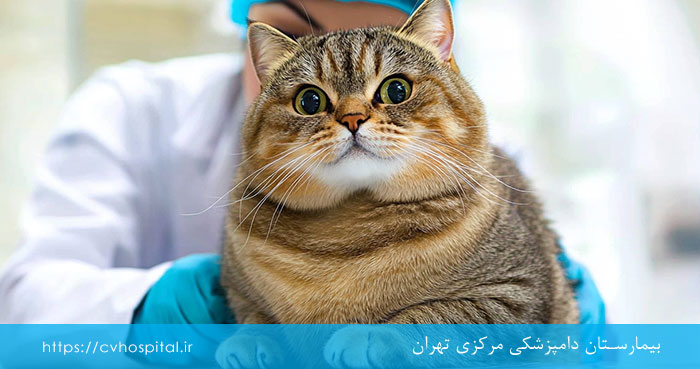
1. Diet for pets requiring combined nutrition
This category includes pets that consume homemade foods or a combination of homemade and dry foods. The nutrition of these animals must be carefully balanced to ensure they receive the necessary nutrients. The dietary program for these animals is tailored based on their age, breed, body condition, weight, and medical history. For example, the diet for a puppy or kitten differs from that of an adult dog or older animals. Additionally, animals that are pregnant or need more energy for physical activities require specific nutrition tailored to their conditions. In the article kitten food, we extensively covered the differing nutritional needs of cats at various ages.
2. Diet for animals with weight problems
The second category includes animals that have weight issues, meaning their weight is above or below the ideal weight. Since thinness and obesity in pets have serious consequences for their health, we can use proper nutritional programs to adjust the weight of these animals to their ideal state. The process of losing or gaining weight must be gradual and carefully managed to prevent liver problems and other complications. At this stage, it is crucial for pet owners to know what their pet’s ideal weight is.
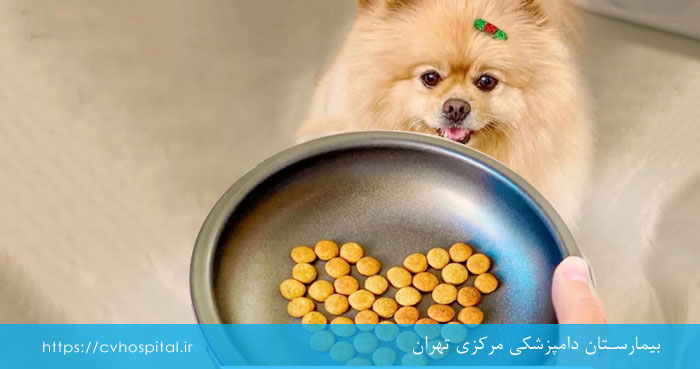
3. Diet for pets with specific diseases
Pets that need therapeutic diets due to specific diseases make up the third category. Some of these animals cannot consume specific commercial or dry foods that assist in treating their conditions due to issues such as kidney disease, diabetes, or gastrointestinal problems.
In such cases, our team carefully balances a homemade diet according to the medical needs of each animal. For example, cats with kidney issues must consume a diet with controlled levels of protein and phosphorus. All these adjustments are made based on blood tests and the specific condition of each animal.
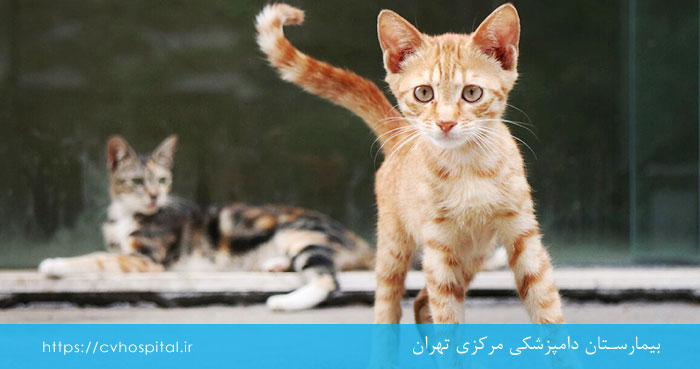
Objective of Establishing the Nutrition and Weight Control Clinic at the Central Hospital
The main objective of establishing the nutrition clinic is to complement surgical, internal, and physiotherapy treatments to help improve health and increase the lifespan of pets. Proper nutrition and selecting the best food for dogs and cats is fundamental to the treatment of many diseases, and we strive to improve the quality of life for pets by balancing their diets. For more information and to contact the Nutrition Clinic at the Central Veterinary Hospital, please call the numbers listed on the website.
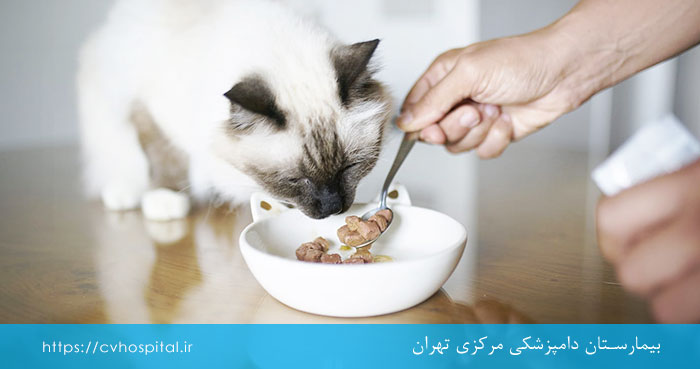
When should we visit the veterinary nutrition clinic?
If your pet is experiencing sudden weight changes, frequent digestive problems, hair loss, lethargy, or bad eating habits, visiting the veterinary nutrition clinic can be an effective step towards improving its health. Additionally, in specific conditions such as growth phases, pregnancy, recovery periods after illness or surgery, or if suffering from chronic diseases like diabetes and kidney failure, setting a precise and specialized diet can significantly impact your pet’s quality of life. Our team designs a program tailored to the individual conditions of each animal.
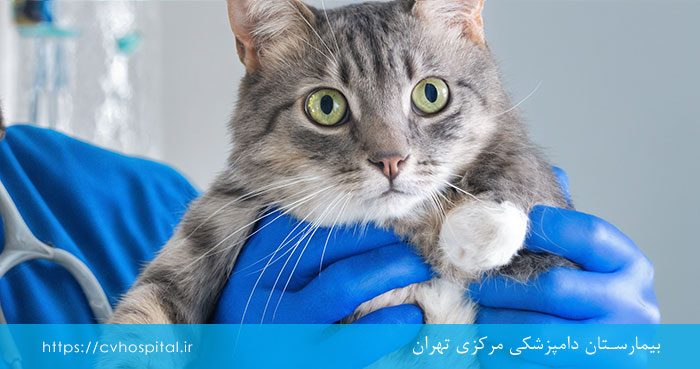
Frequently Asked Questions
Why is proper nutrition important for pets? Proper nutrition helps maintain the overall health of pets, strengthens the immune system, improves the quality of skin and coat, and increases their longevity.
What is the difference between the nutrition of puppies and adult dogs? Puppies require specific nutrients that assist their rapid growth, whereas adult dogs need a balanced diet adjusted based on their activities and physical condition. Different dietary planning is necessary for each age group.
How can I bring my pet’s weight to an ideal status? To get a pet to its ideal weight, the diet must be balanced carefully. Weight loss or gain should be done gradually to avoid liver problems or other complications. Regular checks of the pet’s weight and body condition should also be ensured.