





Veterinarians use braces or orthoses to treat joint and disc problems in pets. The use of braces in dogs and cats should be prescribed to pets under the supervision of a surgeon and veterinarian. There are different types of braces, each with distinct applications. Typically, the veterinary surgeon prescribes one of the types of braces based on the physical condition of your pet, and being familiar with them helps to use them better for the treatment of your dog or cat’s ailments. 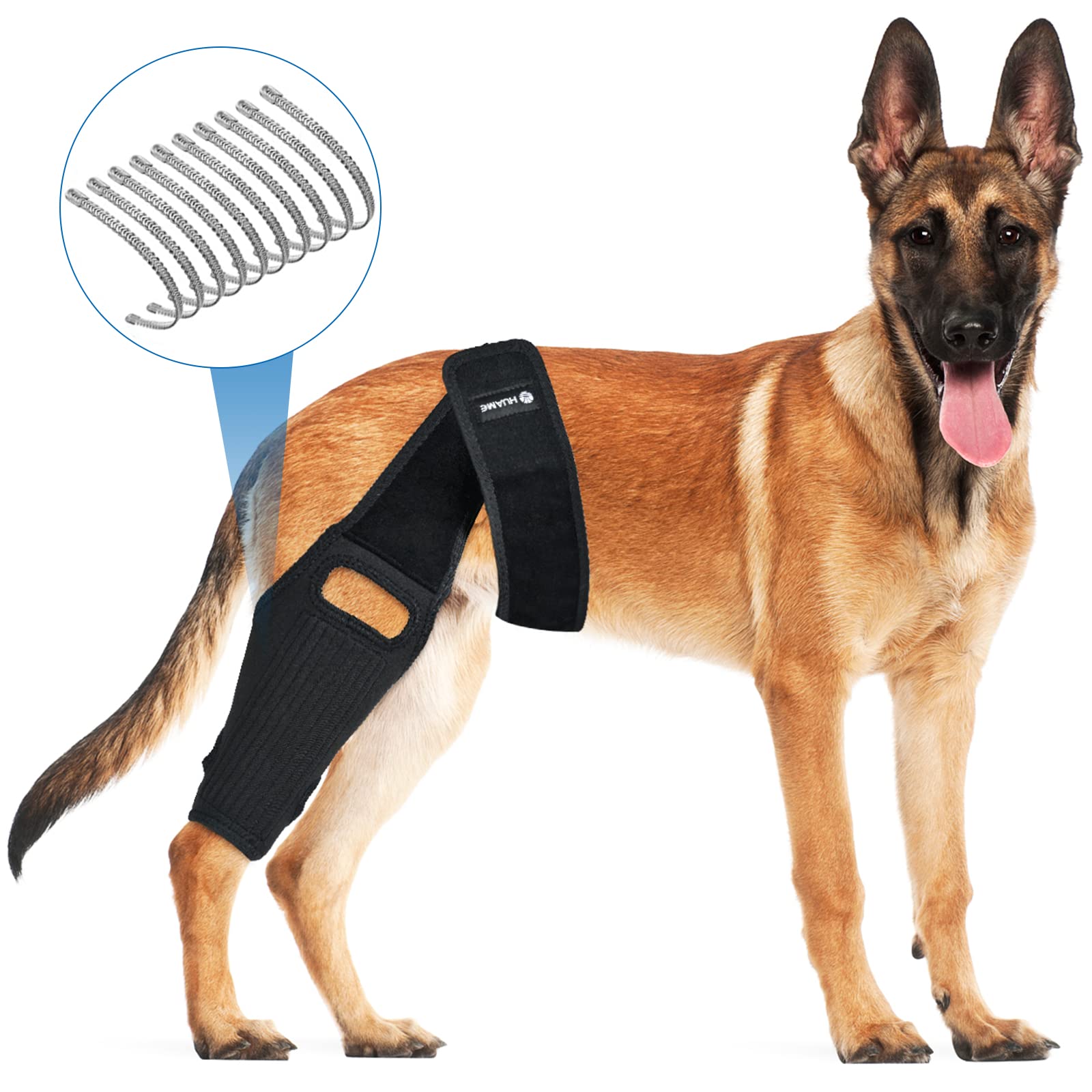
Pre-made Back Brace for Pets
One of the braces prescribed by the veterinary surgeon after spinal surgery or disc surgery, according to the post-surgery care for pets, is the pre-made back brace or orthosis. Inside these rigid (semi-rigid or semi-hard) back braces, there are two lightweight aluminum splints to prevent the pet from rolling after surgery, sudden movements, or jumping. Otherwise, the slightest movement could cause further injury to the pet’s lower back disc. The duration of using the back brace in dogs and cats depends on the surgeon’s opinion, typically ranging from one to three months. After this period, you might be able to remove the aluminum splints from the brace according to your preference so that the pet can use the back brace without splints. In fact, it is better to continue using these back braces even after three months post-surgery. However, during this time, be proactive and take your pet for follow-up treatments and examinations with the surgical veterinarian to receive their opinions regarding the ongoing use of the pet’s back splint.
Shoulder Splint Brace in Pets
Another commonly used back brace for dogs and cats is the abduction or shoulder separation brace, which is used for dislocated scapula, dislocated humerus, dislocated shoulder, etc. In these injuries, there might not be a necessary indentation for placing the bone in the right position, and here, based on the injury inflicted on the pet, the back brace is used. These braces are utilized under the veterinarian’s supervision and are called shoulder splints. Usually, these types of orthoses can be used without the need for surgery. The shoulder splint brace may be used for a specific duration depending on the type of injuries inflicted, or your dog and cat may use it throughout their life when they want to move. Note that the shoulder splint brace is used more in dogs. 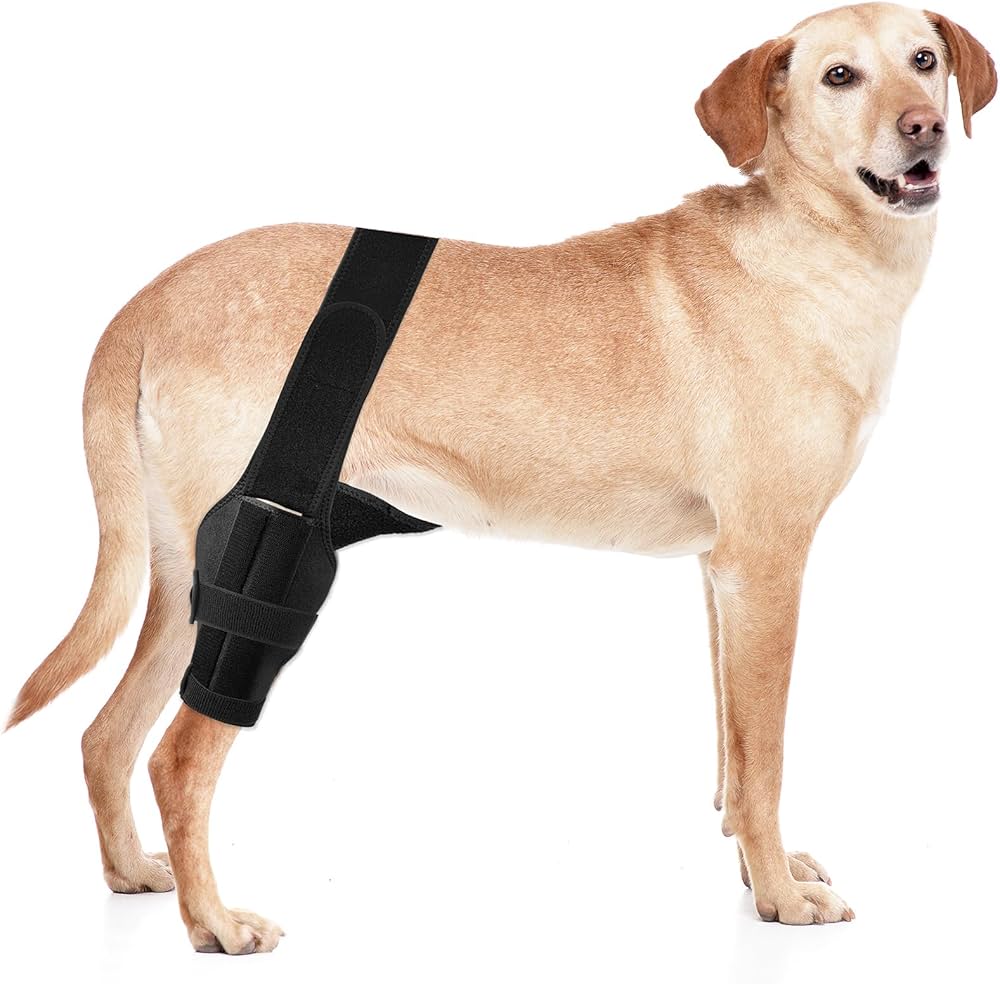
Shoulder Braces in Dogs and Cats
Abduction of the limbs in pets relates to the shoulder joints, and based on the type of their injury, shoulder braces are fitted on domestic cats and dogs. After putting on the back braces, it is necessary for your pet to be constantly monitored by the surgical veterinarian. The brace used for the shoulders is a completely soft back brace with no aluminum splints in it. This type of splint is entirely soft, encircling the pet’s waist without sagging, covering part of the knee and joint to prevent dislocation of the patella or kneecap. Dislocation of the patella is quite common in small breed dogs; thus, using these braces prevents dislocation of the kneecap in small breed dogs or, at least, reduces their occurrence. 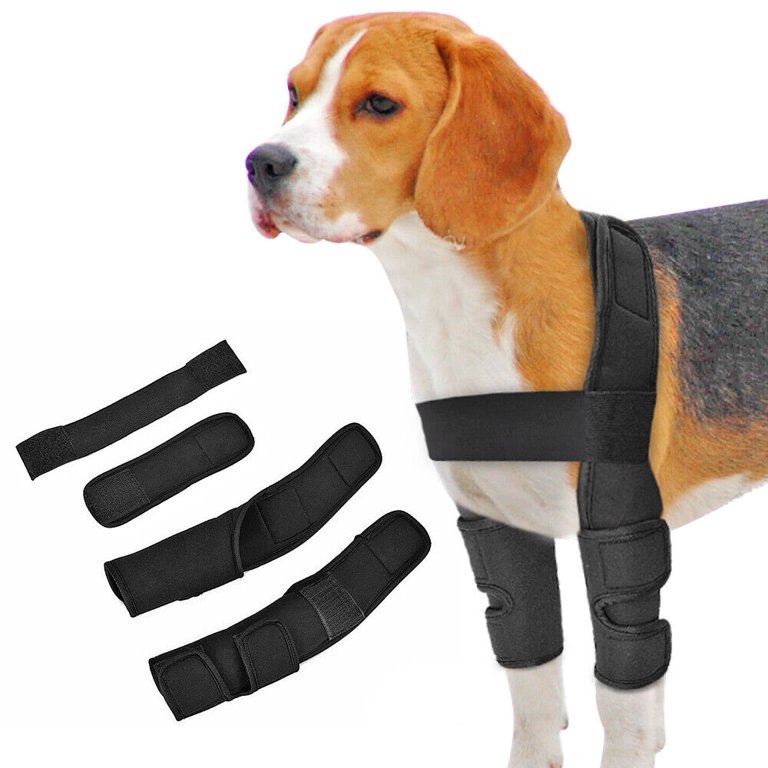
Back Knee Brace for Pets
One of the most important and commonly used braces for domestic dogs and cats is soft knee braces. This product is particularly useful for small breed pets like Pomeranians, and its use does not create any problems for cat and dog owners. In fact, continuous use for the pet is beneficial, so if you face knee and joint problems in small breed dogs, you should definitely consult a veterinarian for treatment.
Elbow Joint Orthosis in Pets
Veterinarians recommend elbow joint orthoses for pets that have granulation tissue or when pressure is applied to their elbows while sitting. These elbow supports provide a soft pad for dogs and cats to help prevent the thickening of granulation tissue or pressure in the elbow area while sitting. 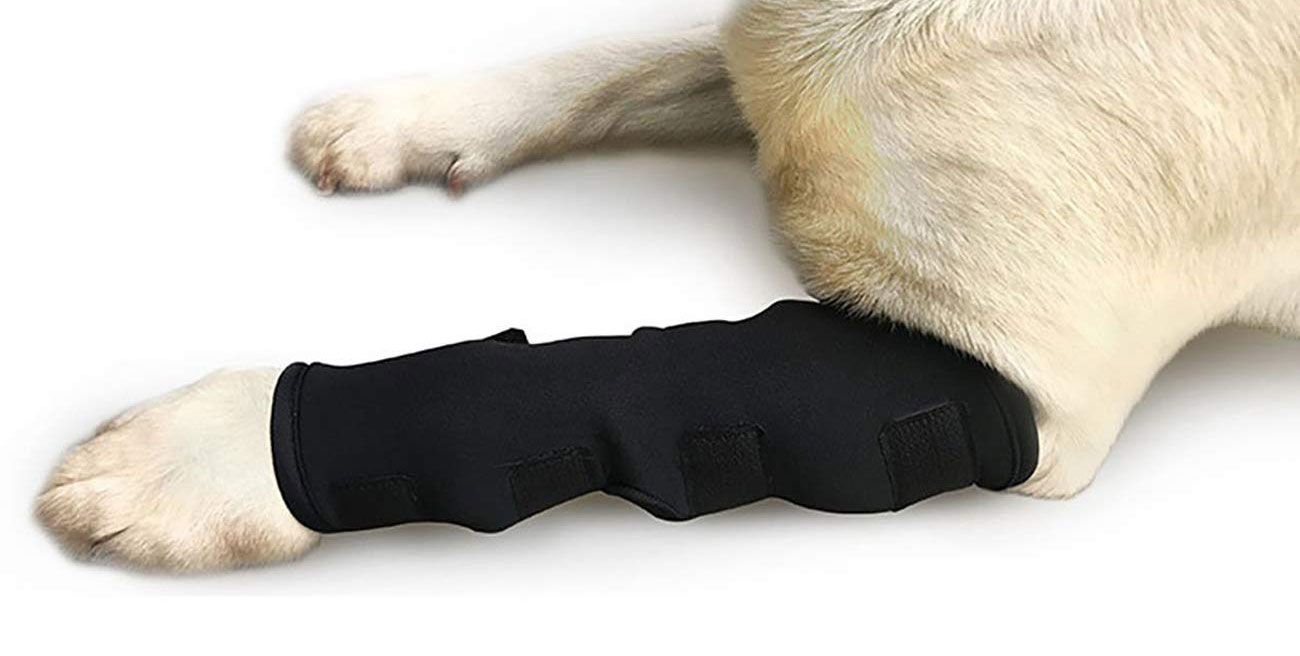
Wrist Brace in Pets
One of the commonly used orthoses in pets is the wrist brace. These types of orthoses are soft and can adequately support the wrist joint. One of the problems that pets commonly face is hyperextension or overstretching of the joint. Animals suffering from this issue will, when walking or sitting, have their paws and legs hit the ground, along with their carpal and tarsal bones. To diagnose arthritis in dogs and cats, you must see a veterinarian. The veterinarian may recommend a wrist brace for these types of pets after the necessary examinations. Now, if a pet suffering from hyperextension is not treated, it will continuously fall while walking. This issue is particularly observed in large breed pets. Brace supports can assist them and thus are considered a practical product for them.
Objectives of Prescribing Braces in Dogs and Cats
Braces are one of the common orthopedic products available in veterinary clinics nationwide, providing a comfortable and healthy life for all pet cats and dogs. Veterinarians continuously strive to enhance the comfort of these pets through innovation and modifications in these orthoses.
They improve these orthopedic devices and enhance the quality of life for pets.
Final Words
A back brace or lumbar brace is one of the commonly used products in veterinary medicine, utilized for treating diseases and joint issues in domestic dogs and cats. These orthoses are categorized based on the type of joint they are used for, such as lumbar braces, wrist braces, knee braces, shoulder braces, and so on. You should consult with a veterinary surgeon before using any of the braces and follow their instructions to use these braces for a specific duration or permanently for your pet. The Central Veterinary Hospital is available 24/7 to provide services for pets, offering urgent care related to orthopedic surgeries and applying back braces for dogs and cats.